Appliance Installation Requirements for Your Dream Home
This article was written by Al the Appliance Expert and reviewed with assistance from AI tools for clarity and accuracy.
Building or renovating your dream home is thrilling, and choosing the right appliances is essential. However, if they are not installed properly, you may not get the results you want.
At Plesser's Appliances, we know that safe, efficient, and code-compliant installation is vital to make sure your appliances work as intended. Here’s what to consider to ensure your Plesser's Appliances are installed correctly, so your dream home is both attractive and functional.
Beyond the Box: Why Installation Matters
Many homeowners try DIY appliance installation to save money. While some small jobs may be manageable, major appliances involve complex electrical, plumbing, and venting systems. Incorrect installation can cause:
- Safety Hazards: Gas leaks, electrical fires, and water damage are serious risks associated with incorrect hookups.
- Voided Warranties: Most manufacturers require professional installation for warranties to be valid. Mistakes in DIY installation leave you unprotected if problems arise.
- Reduced Lifespan and Efficiency: An appliance that's not properly leveled, vented, or connected may work harder, waste energy, and fail early.
- Code Violations: Local building codes govern appliance installations. Failing to comply can result in fines, forced re-installation, and even difficulty selling your home in the future.
Plesser's Appliances provides a seamless process with clear delivery and installation guidelines, offering professional installation that includes setup, packaging removal, and old appliance haul-away.
Key Installation Requirements to Consider
Before your Plesser's Appliances arrive, make sure your space is ready. Here are some common things to check:
1. Electrical Considerations:
- Voltage and Amperage: Appliances have specific voltage (120V or 240V) and amperage requirements. Large appliances, such as electric ranges, dryers, and some water heaters, typically require dedicated 240V circuits with specialized outlets and breakers. Smaller appliances, such as refrigerators and microwaves, typically run on 120V. Always check the appliance label for exact specifications.
- Dedicated Circuits: High-power appliances often require their own dedicated circuit to prevent overloading your home's electrical system.
- Grounded Outlets: All appliance outlets must be properly grounded to ensure safety and prevent shocks.
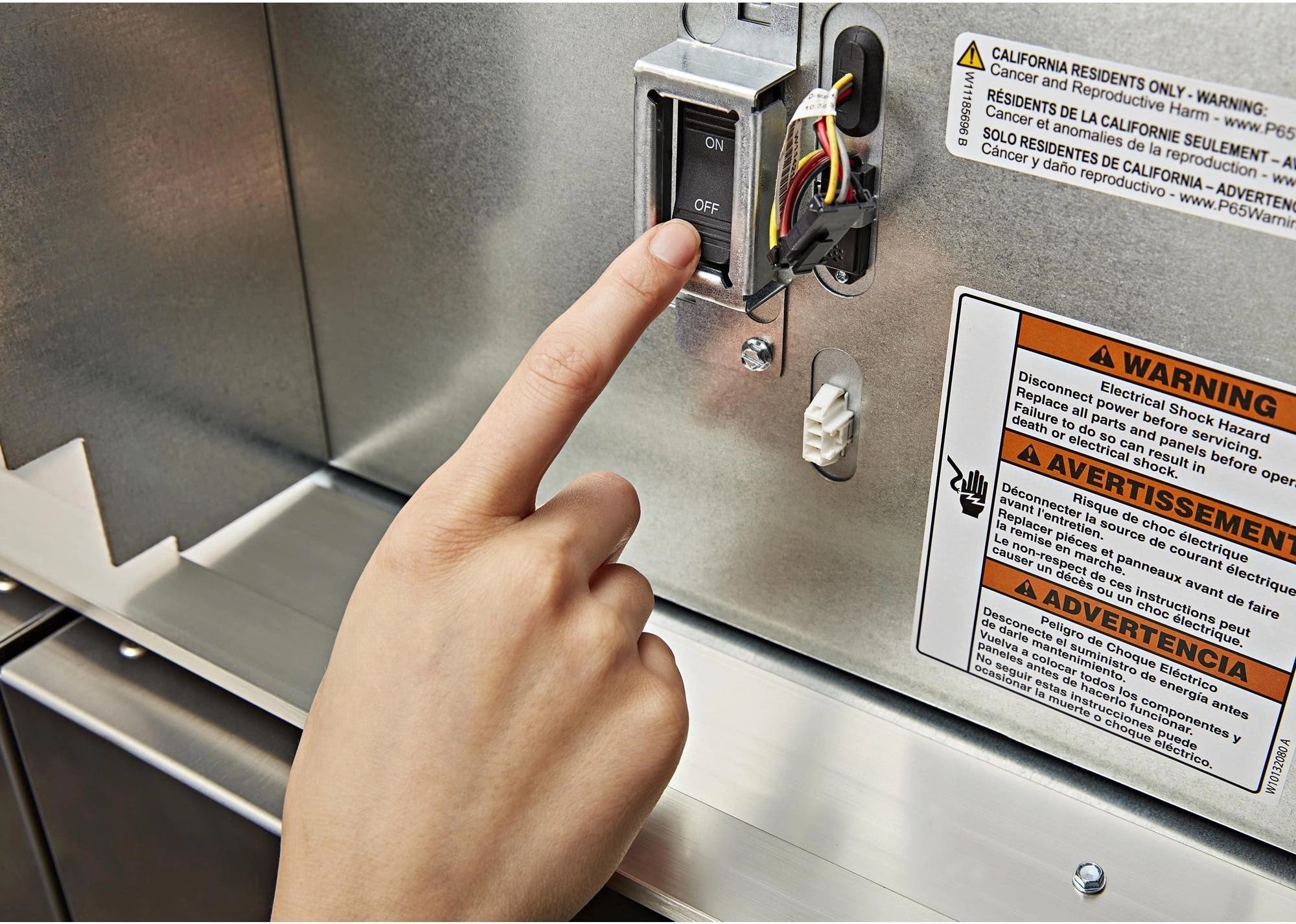
- Accessibility: Electrical outlets and shut-off switches must be readily accessible for maintenance and in the event of an emergency.
2. Plumbing and Water Connections:
- Water Supply Lines: Appliances such as dishwashers, refrigerators with ice makers/water dispensers, and washing machines require both hot and cold water supply lines. Ensure these lines are within reach of the appliance's intended location and have easily accessible shut-off valves.
- Drainage: Dishwashers and washing machines need proper drainage. Dishwasher drains often require an air gap or high loop to prevent backflow. Washing machine drains need to be appropriately sized to handle the water volume.
- Material Compatibility: Professional installers will use appropriate connection materials, such as stainless steel water lines, which are often required by code and for warranty purposes. Avoid using plastic or copper lines for certain connections.
- Gas Lines (for Gas Appliances): If you opt for a gas range or dryer, a natural gas shut-off valve must be located directly behind the appliance and in good working condition. Gas lines and connections must be installed by a licensed professional to prevent leaks and ensure safety. Propane conversions also require specialized handling and expertise.
3. Venting and Exhaust:
- Range Hoods and Microwaves: Over-the-range microwaves and dedicated range hoods require proper ventilation to exhaust smoke, grease, and odors. This often involves ductwork that leads to the exterior of your home. The type and size of ducting are crucial for effective ventilation.
- Dryers: Clothes dryers, especially gas models, need a proper exhaust vent to the outside. This prevents lint buildup (a fire hazard) and moisture accumulation. Ensure the vent path is clear and not excessively long or bent.
- Fuel-Burning Appliances: Furnaces and water heaters have strict venting standards to safely remove combustion gases.
4. Space and Accessibility:
- Precise Measurements: Before purchasing, accurately measure the width, height, and depth of the intended appliance space, considering doors, hallways, and any structural features the appliance must pass through during delivery.
- Clearance: Appliances need adequate clearance for proper ventilation, door swings, and access for future servicing. Consult the appliance's installation manual for specific clearance requirements.
- Leveling: Appliances like refrigerators and washing machines must be perfectly level for efficient operation and to prevent problems like excessive vibration or uneven cooling.
Navigating Local Codes and Plesser's Policies
Local building codes dictate specific installation standards. For example, the NYC Department of Buildings (DOB) often requires licensed plumbers for the installation of washing machines and gas dryers, and permits may be necessary.
Plesser's Appliances' delivery and installation partners are knowledgeable about these requirements and will ensure compliance. It's always a good idea to inform Plesser's of any specific building or commercial location requirements, such as freight elevator availability or Certificate of Insurance (COI) needs, to avoid rescheduling delays.
The Plesser's Advantage: Professional Installation for Peace of Mind
While understanding these requirements is crucial, you don't have to become an expert plumber or electrician overnight. Plesser's Appliances offers professional installation services directly or through our trusted partners. This means:
- Expert Knowledge: Certified technicians are thoroughly knowledgeable in all relevant electrical, plumbing, and venting codes.
- Correct Connections: They use the right parts and techniques for secure and safe hookups.
- Warranty Protection: Professional installation ensures your manufacturer's warranty remains valid.
- Efficiency and Testing: Installers will thoroughly test your new appliances to ensure they function optimally from the start.
- Haul Away and Cleanup: Many services include removal of old appliances and all packing materials, leaving your space clean and ready.
Take the next step in making your dream home a reality—contact Plesser's Appliances today to schedule your professional installation and experience peace of mind with appliances that are safe, efficient, and perfectly suited to your space.
Take Your Appliance
Knowledge from Good to Great
Just Ask Al is your go-to expert platform to connect, share, and learn — together. Join the Community on Facebook to get expert insights, tips, and more.
Collaborate with fellow appliance enthusiasts today!
38,000+ members and growing
Join the community today—everyone is welcome!


Take Your Appliance Knowledge With You On The Go!
Just Ask Al is your go-to expert platform to connect, share, and learn — together. Join the Community on Facebook to get expert insights, tips, and more.
Collaborate with fellow appliance enthusiasts today!