Best Appliances for Rental Property That Last
This article was written by Logan H. and reviewed with assistance from AI tools for clarity and accuracy.
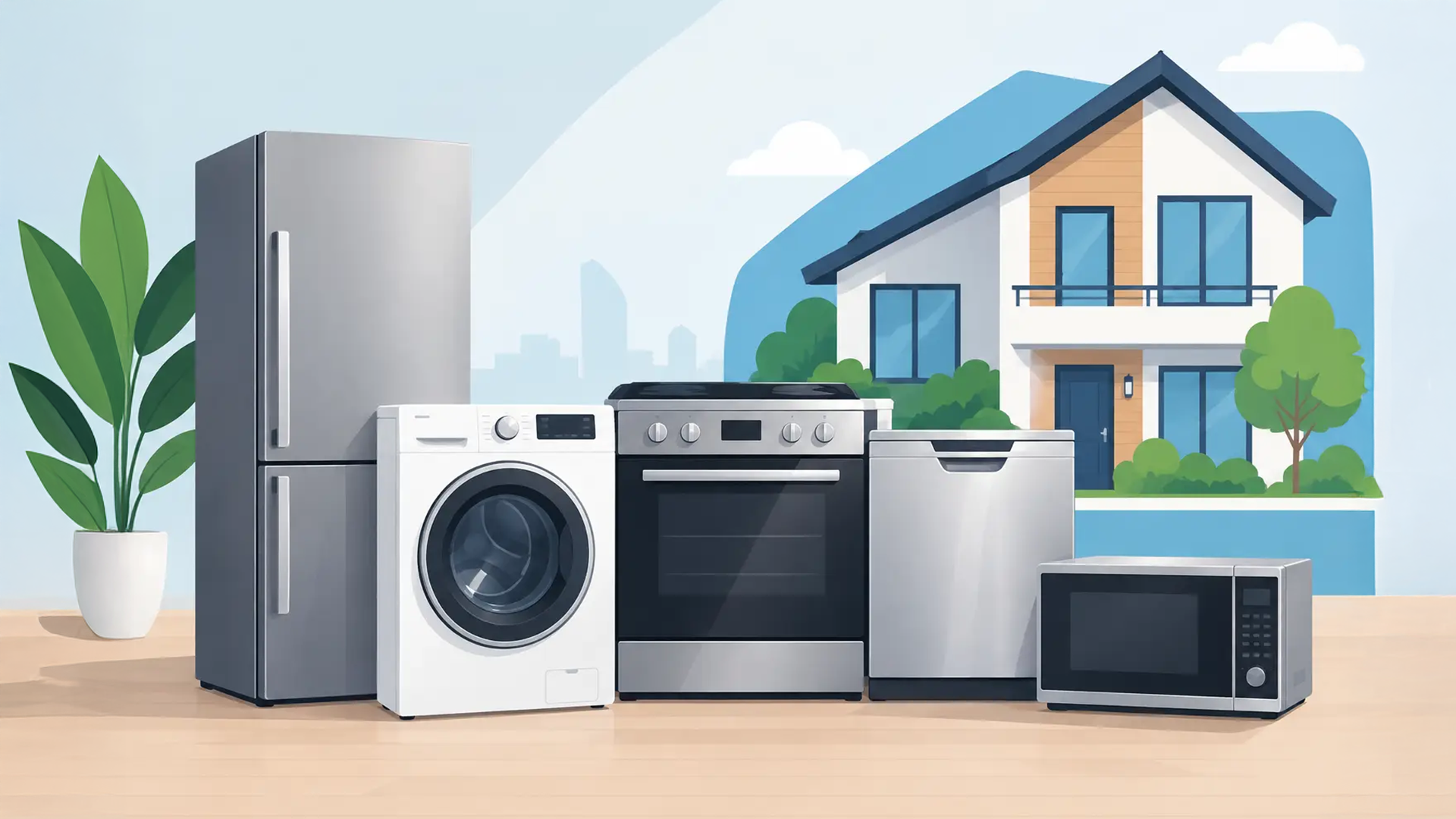
A refrigerator that fails during a tenant move-in or a washer that leaks into a lower unit can erase any savings from buying the least expensive model. The best appliances for rental property balance upfront cost with dependable operation, straightforward repairs, and features tenants genuinely value. The goal is not to furnish every unit with the most elaborate appliances available. It is to make smart, consistent choices that support occupancy, protect the property, and simplify ownership.
How to Choose the Best Appliances for Rental Property
Start with the conditions of the property, not a product brochure. Measure each opening carefully, including depth with doors and handles, delivery paths, electrical connections, water lines, gas connections, dryer venting, and available ventilation. An appliance that looks like a fit on paper can create an expensive installation issue if clearances or utility requirements are overlooked.
Durability matters, but so does serviceability. For a rental, widely available replacement parts and familiar controls are often more useful than specialized features. Choose established appliance brands with strong parts availability and local service support. If you own multiple units, standardizing on similar models can also make maintenance easier. Your property manager, maintenance team, or service provider will spend less time learning different controls and sourcing different components.
Energy and water efficiency deserve attention, particularly when utilities are included in rent. A more efficient refrigerator, dishwasher, or laundry pair may cost more initially but can lower operating costs over years of use. That said, efficiency should not come at the expense of capacity or dependable performance. Select the model that fits the unit's real usage, not simply the one with the highest feature count.
Match the Appliance Package to the Rental Type
A studio apartment, a family-sized suburban home, and a furnished vacation rental call for different priorities. In an entry-level apartment, straightforward operation and reliable core performance typically matter most. A clean, coordinated appliance package can still make the kitchen feel more finished without pushing the budget toward features that will not affect rent or tenant satisfaction.
In a larger home where residents are likely to stay longer, capacity and convenience become more meaningful. A full-size dishwasher, a larger refrigerator, and in-unit laundry can influence rental appeal and reduce turnover. For a higher-end or newly renovated property, a well-selected stainless steel kitchen package may support the look renters expect. The key is to align the finish, capacity, and feature level with comparable properties in the neighborhood.
Short-term and furnished rentals are a separate case. Guests may be less familiar with the appliances and more likely to use them heavily over a short period. Simple controls, clear settings, and easy-to-clean surfaces are especially valuable. Avoid complicated connected features unless you have a clear reason to manage them and a plan for helping guests use them.
Refrigerators: Prioritize Space and Simple Organization
The refrigerator is one of the most visible appliances in a rental kitchen and one of the least forgiving when it fails. For many apartments and smaller homes, a top-freezer refrigerator offers a practical combination of usable storage, lower purchase cost, and uncomplicated operation. It is a strong choice when the kitchen is compact or when you need to outfit several units consistently.
For larger rentals, a French-door refrigerator can be attractive because it provides wide fresh-food storage and easier access to frequently used items. However, more doors, dispensers, and electronic features can mean more components to maintain. An external ice and water dispenser may be a worthwhile amenity in a premium rental, but it also adds complexity. If durability and lower service exposure are the priorities, an internal ice maker or a simpler configuration may be the better decision.
Choose a finish that fits the expected tenant and the rest of the kitchen. Stainless steel remains popular in renovated properties, while white or black can be cost-effective and easy to replace in value-oriented units. Whatever finish you select, consider making it consistent across the appliance package.
Ranges and Cooktops: Keep Daily Cooking Practical
An electric range is often the easiest replacement option where electrical service is already in place. A smooth glass cooktop offers a clean, modern appearance and wipes down easily, although it can show scratches and requires care with heavy cookware. Traditional coil elements are less refined visually but can be economical to service and replace.
Gas ranges remain a preferred option for many renters who cook frequently, provided the property has an appropriate gas connection and ventilation plan. For either fuel type, a standard freestanding 30-inch range is usually the most practical choice for a rental. Look for sturdy knobs, a dependable oven door, clear temperature controls, and an easy-clean interior.
Features such as air fry modes, convection cooking, and built-in temperature probes can add appeal in an upgraded home. They are not necessities for every rental. Spend first on reliable burners, even oven performance, and a range size that suits the kitchen.
Dishwashers: A Rental Amenity Worth Protecting
A dishwasher can be a deciding feature for renters, particularly in markets where it is expected. A standard 24-inch built-in model with a stainless steel tub, adjustable racks, and a practical normal cycle will meet the needs of most households. Quiet operation can be a meaningful upgrade in an open-plan apartment or a smaller home where the kitchen is close to bedrooms or living space.
For rentals, avoid treating the dishwasher as an afterthought. Proper installation, a secure water connection, and a correct drain setup are essential for preventing leaks and damage. If you are replacing an existing unit, confirm the opening dimensions, panel requirements, and electrical configuration before ordering. A dependable dishwasher is valuable, but a poorly installed one is a property risk.
Laundry: Capacity, Venting, and Access Come First
In-unit laundry can command stronger tenant interest, but the right configuration depends on available space and hookups. A full-size top-load washer and dryer pair is often a sensible choice for single-family rentals and larger units because it provides familiar operation and good capacity. Front-load laundry can be highly efficient and may fit well in a design-focused renovation, but it requires tenants to leave the door open after use to reduce moisture and odor concerns.
Stacked laundry or a washer-dryer combo can solve a genuine space problem in condos and compact apartments. The trade-off is smaller loads, longer cycle times, or both. Before choosing any dryer, verify whether the location supports vented or ventless operation. This detail should drive the purchase, not be addressed after delivery day.
Laundry appliances also need practical access for maintenance. Leave adequate space for hoses, vents, and service, and consider leak protection where a washer is located above finished living areas. A simple precaution can prevent a major repair later.
Do Not Overlook Microwaves, Ventilation, and Air Conditioners
An over-the-range microwave can free up counter space and create a finished kitchen appearance, but it should not be treated as a substitute for proper ventilation. Confirm whether the unit vents outdoors or recirculates air, and choose an option appropriate for the cooking setup. In some properties, a separate range hood and countertop microwave may be easier to service and replace.
For rentals in warm climates or buildings without central air, room air conditioners can be a major tenant benefit. Select the correct capacity for the room rather than oversizing. A unit that is too large may cycle too quickly and manage humidity poorly, while an undersized unit will run continuously and frustrate occupants.
Buy for the Full Ownership Cost
The least expensive appliance is not always the lowest-cost choice over its working life. Consider delivery, installation, haul-away, warranties, utility consumption, expected repairs, and the cost of downtime. A refrigerator that needs replacement immediately can affect a tenant relationship far more than a modest difference in purchase price.
It is also wise to keep model numbers, purchase dates, warranty information, and installation records for every unit. When appliances are standardized across a portfolio, retain a small supply of common consumables such as water filters, dryer cords where appropriate, and range knobs. This preparation can reduce downtime between a service call and a completed repair.
For landlords handling a renovation or multiple replacements, working with an experienced appliance dealer can make coordination easier. Plesser's can help buyers compare major brands, confirm specifications, and arrange delivery and installation for a more organized project.
A rental appliance package should make life easier for both the tenant and the owner. Choose the features renters will notice, avoid complexity they will not use, and invest in models you can confidently maintain when the next service need arrives.
Take Your Appliance
Knowledge from Good to Great
Just Ask Al is your go-to expert platform to connect, share, and learn — together. Join the Community on Facebook to get expert insights, tips, and more.
Collaborate with fellow appliance enthusiasts today!
38,000+ members and growing
Join the community today—everyone is welcome!


Take Your Appliance Knowledge With You On The Go!
Just Ask Al is your go-to expert platform to connect, share, and learn — together. Join the Community on Facebook to get expert insights, tips, and more.
Collaborate with fellow appliance enthusiasts today!
