Best Gas Grill for Backyard Cooking
This article was generated using AI and reviewed by a human editor for quality and accuracy.
Saturday cookouts tend to expose a grill’s weak spots fast. One burner runs hotter than the rest, flare-ups char the chicken, and the so-called spacious cooking surface suddenly feels cramped once burgers, vegetables, and corn all need room at the same time. If you are shopping for the best gas grill for backyard cooking, the right choice usually comes down to how you cook, how many people you feed, and how much long-term durability matters to you.
A gas grill is often the most practical option for homeowners who want speed, control, and easier cleanup than charcoal. Turn the knobs, preheat, and you are cooking in minutes. That convenience matters for weeknight dinners just as much as summer gatherings, especially when you want predictable heat and enough capacity to handle a full meal outdoors.
What makes the best gas grill for backyard cooking?
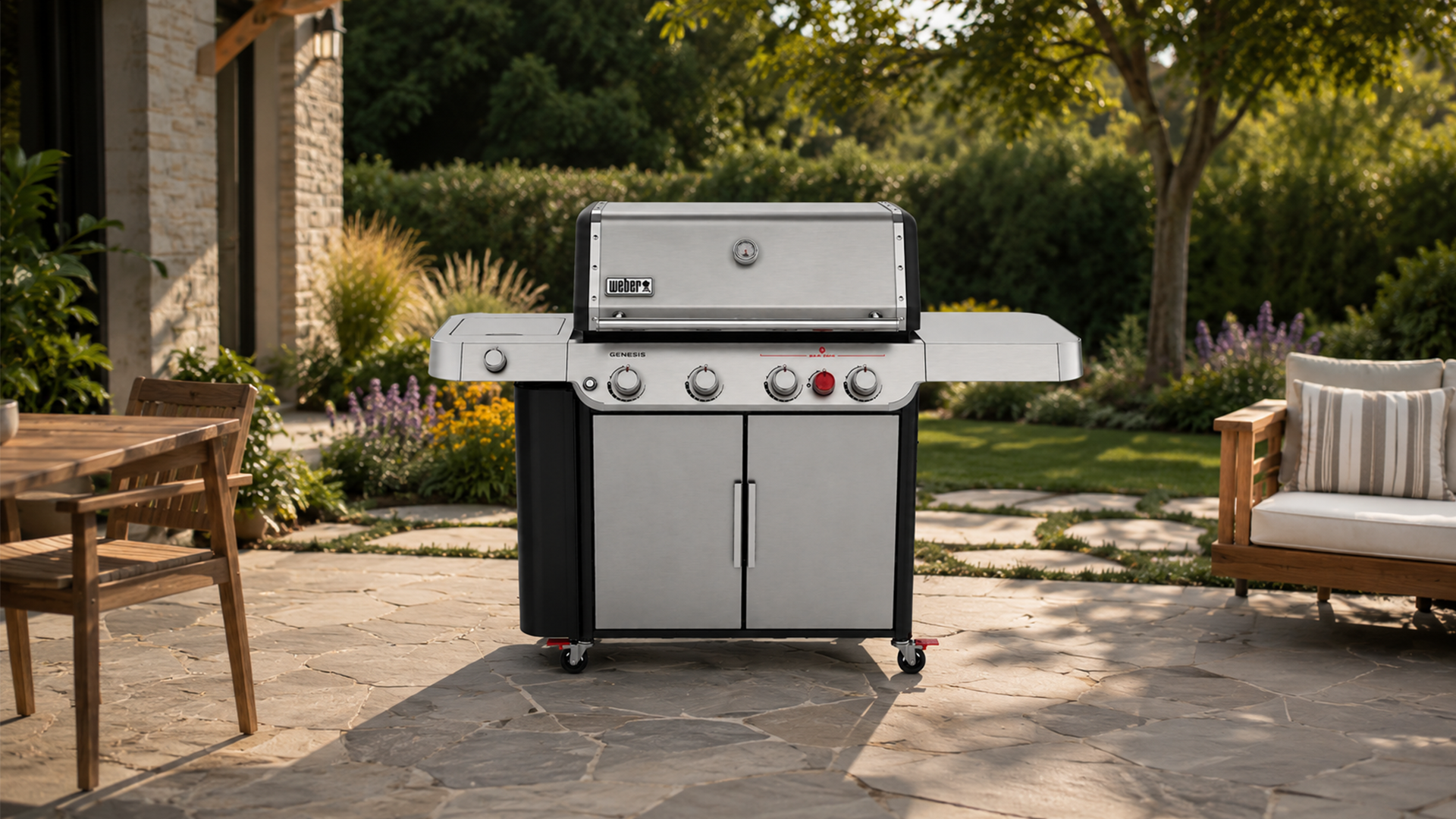
The best model is not automatically the one with the highest price tag or the longest feature list. A good backyard grill needs steady heat, durable construction, and a layout that fits the way your household actually cooks. For one family, that may mean a straightforward 3-burner grill with reliable ignition and enough room for burgers and vegetables. For another, it may mean a larger premium model with a sear zone, rotisserie capability, and heavy-duty stainless steel construction.
This is where many shoppers get stuck. Product pages often emphasize BTUs or burner count, but those numbers only tell part of the story. A grill with very high BTUs is not necessarily better if it loses heat quickly or cooks unevenly. Build quality, lid design, grates, and overall heat retention can matter just as much.
Start with size, not features
For most backyards, grill size should be the first decision. If you regularly cook for two to four people, a compact or mid-size model is usually enough and may fit your patio better. If you host often or like to cook an entire meal outside, extra primary cooking area becomes more important than specialty add-ons.
A 3-burner grill works well for many households because it balances capacity with footprint. You can create separate heat zones for direct and indirect cooking without taking over the whole deck. A 4-burner or 5-burner model makes more sense if you entertain frequently, cook for larger groups, or want more flexibility for different foods at the same time.
There is a trade-off here. Bigger grills offer more room, but they also cost more, use more fuel, and require more outdoor space. If your backyard setup is modest, a well-built mid-size grill often delivers a better everyday experience than an oversized unit that feels cumbersome.
How much cooking space do you really need?
Think in terms of your real menu, not your biggest holiday gathering. If you mostly grill steaks, burgers, chicken pieces, and vegetables, moderate cooking space is usually enough. If you want to cook full racks of ribs, multiple pans of food, or several proteins at once, you will appreciate a larger surface and a warming rack that is actually usable.
Side shelves also matter more than many buyers expect. Prep space for trays, tools, and platters can make outdoor cooking far easier, especially when your kitchen is not just a few steps away.
Burners, BTUs, and heat performance
Burner count matters because it affects control. More burners can mean better zoning, which helps when you need one side for searing and another for gentler cooking. What matters most, though, is how evenly the grill distributes heat across the cooking surface.
BTUs should be viewed as part of the equation, not the headline. A grill with strong burners and poor heat retention can be less effective than a lower-BTU model with better engineering. Cast stainless burners, well-designed flame tamers, and a solid lid often do more for real-world cooking performance than an impressive number on a spec sheet.
If high-heat searing is a priority, look for features like a dedicated sear burner, infrared zone, or heavy grates that hold heat well. If you cook more delicate foods such as fish and vegetables, consistent medium heat may be more valuable than peak output.
Materials can make or break long-term value
In backyard appliances, materials directly affect lifespan. Painted steel can work at lower price points, but it will generally not hold up as well over time as stainless steel or cast aluminum construction. If your grill is exposed to the elements, corrosion resistance becomes a major factor.
Stainless steel is popular for good reason. It offers a clean look and solid durability, though quality can vary by grade and thickness. Cast iron grates provide strong heat retention and attractive sear marks, but they need more maintenance to prevent rust. Stainless grates are easier to maintain and often appeal to buyers who want lower upkeep.
This is one of the most common budget decisions. Spending less upfront can be perfectly reasonable if you grill occasionally and plan to keep the unit covered. If grilling is a regular part of your routine, better materials usually pay off in longevity and performance.
Features worth paying for and features you may skip
Not every premium feature adds equal value. Electronic ignition is close to essential because it improves convenience from day one. A built-in thermometer is useful, though serious grillers often rely on separate digital tools for accuracy. Interior lighting, LED control knobs, and polished trim can be nice to have, but they are not what makes a grill cook well.
Some upgrades are more practical. A side burner can be useful for sauces or side dishes. A rotisserie setup can be excellent if you actually use it. A dedicated smoker box may appeal to buyers who want a little wood-fired flavor without moving to a full pellet or charcoal setup.
The key is to match features to habits. If you want straightforward performance for burgers, chicken, and weeknight meals, you may not need every upgrade. If your backyard is an entertaining space and outdoor cooking is a bigger part of your lifestyle, those extras can make sense.
Fuel type and installation considerations
Most homeowners choose between propane and natural gas. Propane offers flexibility because the grill can be placed where you want it without a fixed gas line. That makes it a strong fit for many patios and decks. Natural gas can be more convenient long term if your home is already set up for it, since you do not have to refill tanks.
The right choice depends on your home and how permanent your outdoor setup is. If you are planning an outdoor kitchen or renovation, natural gas may be worth considering from the start. If portability matters, propane is usually the better answer.
Built-in and freestanding grills also serve different needs. A freestanding grill is the practical choice for many buyers because it is easier to position, replace, and service. Built-in grills are better suited to more permanent outdoor kitchen projects where appearance and integration matter as much as cooking performance.
Choosing the best gas grill for backyard cooking by budget
At the entry level, the best value usually comes from dependable 3-burner models with straightforward controls, solid warranty support, and enough cooking area for family meals. In the mid-range, you start to see stronger construction, better heat consistency, and features like sear burners or upgraded grates.
Premium grills tend to justify their cost through materials, engineering, and longevity rather than novelty. Heavier components, more precise heat control, and stronger overall fit and finish are what buyers are really paying for. That can be worthwhile if you grill often or are designing a backyard space meant to last.
For many households, the sweet spot is mid-range. You get better reliability and cooking results than basic models without stepping into a luxury price bracket unless your project or preferences call for it.
Shop with the full purchase in mind
The grill itself is only part of the decision. Delivery timing, assembly, warranty support, and product availability matter, especially during peak grilling season when popular models can sell through quickly. If you are comparing options for a renovation or a new outdoor setup, it also helps to work with a retailer that can guide you through brand differences, fuel configuration, and premium feature choices without turning the process into guesswork.
That is where an experienced appliance dealer can add real value. A broad selection lets you compare everyday and premium brands side by side, while service support can make a high-ticket purchase feel far more straightforward.
The best gas grill for backyard cooking is the one that fits your space, your menu, and your expectations after the first season wears off. Buy for the way you actually cook, and your backyard will feel a lot more useful every time dinner moves outside.
Take Your Appliance
Knowledge from Good to Great
Just Ask Al is your go-to expert platform to connect, share, and learn — together. Join the Community on Facebook to get expert insights, tips, and more.
Collaborate with fellow appliance enthusiasts today!
38,000+ members and growing
Join the community today—everyone is welcome!


Take Your Appliance Knowledge With You On The Go!
Just Ask Al is your go-to expert platform to connect, share, and learn — together. Join the Community on Facebook to get expert insights, tips, and more.
Collaborate with fellow appliance enthusiasts today!