Convection Ovens vs. Traditional Ovens: What’s the Difference?
This article was generated using AI and reviewed by a human editor for quality and accuracy.
Choosing the right oven can greatly impact your cooking time and results. While traditional ovens are common, convection ovens have grown in popularity for their faster, more even cooking. Whether you're a home cook or a kitchen enthusiast, knowing the differences between the two can help you pick the best fit. In this post, we’ll break down how each oven works, their benefits, and which one suits your cooking style.
What is a Convection Oven?
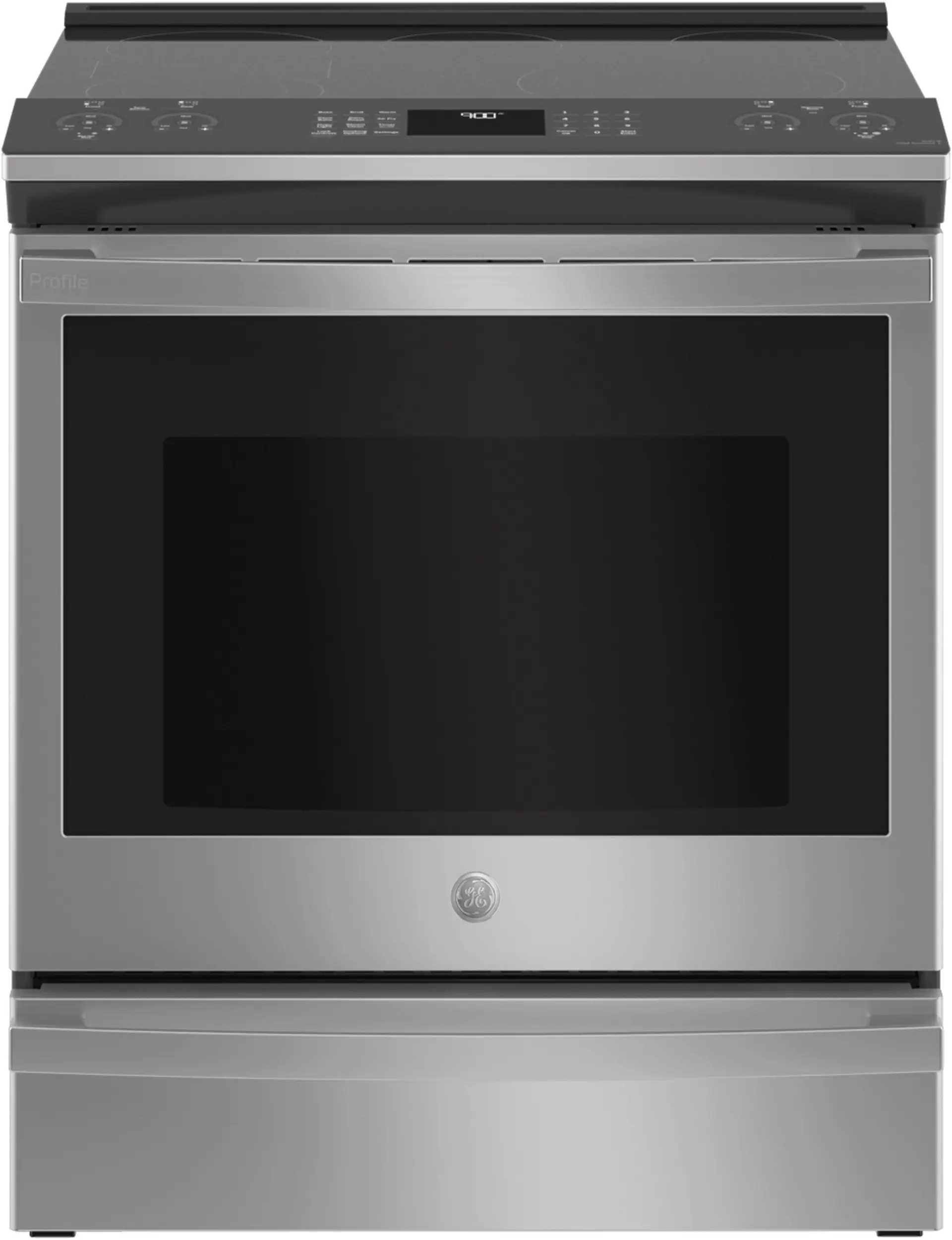
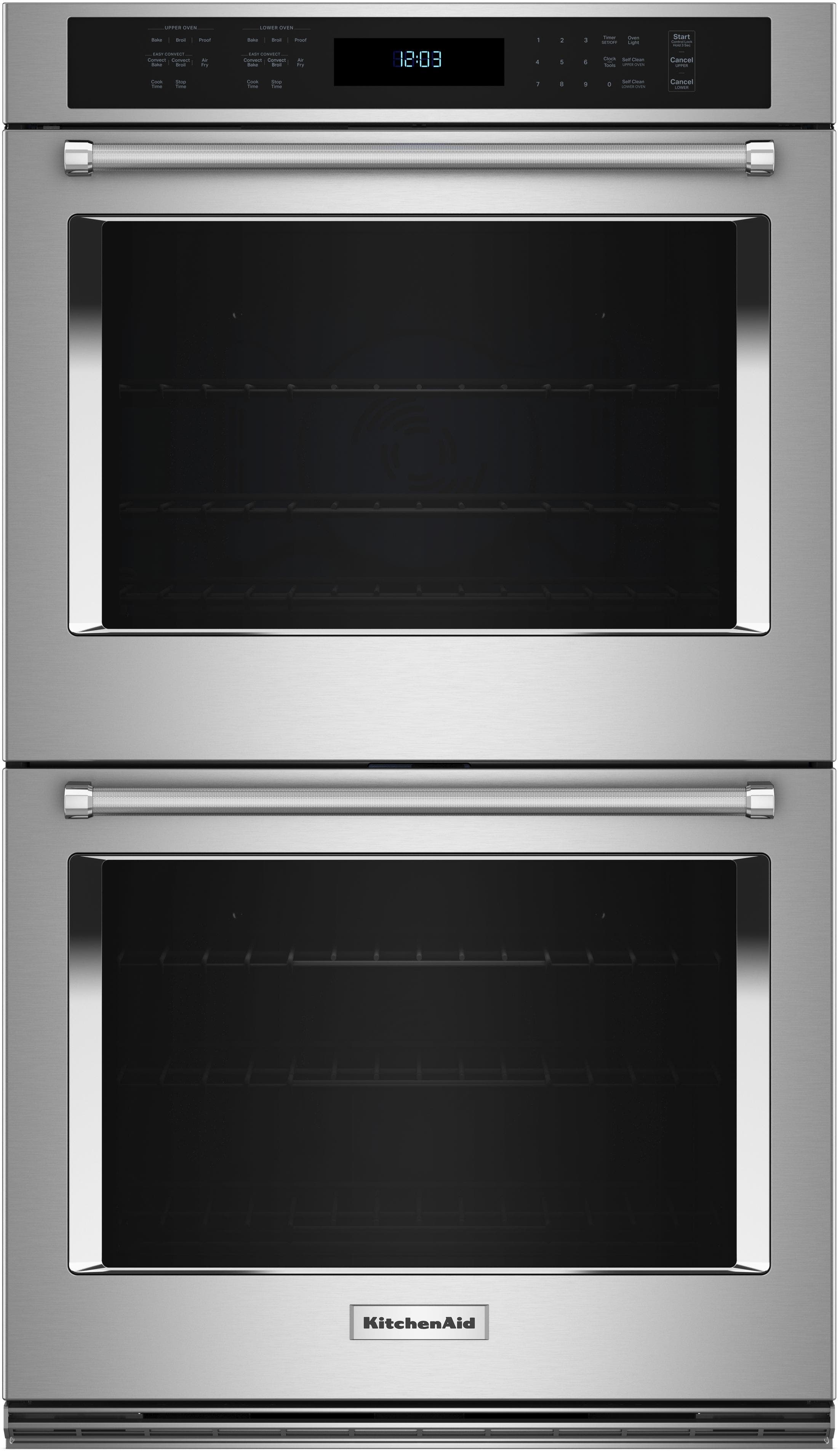
A convection oven uses a fan and an exhaust system to circulate hot air throughout the oven. This constant air movement helps heat food more evenly and allows for faster cooking times. The fan in the convection oven helps to prevent hot spots, ensuring that every part of your dish receives the same level of heat. As a result, convection ovens often produce more consistent cooking results than traditional ovens.
There are two types of convection ovens:
- Conventional Convection Ovens: These ovens have a fan that distributes heat more evenly than a traditional oven but are otherwise similar.
- True Convection Ovens: These ovens not only have a fan but also an additional heating element around the fan, providing even more precise heat distribution.
What is a Traditional Oven?
Traditional ovens, also known as conventional ovens, use radiant heat from a heating element located at the bottom (for electric models) or a gas flame (for gas models). In these ovens, heat is applied to the food primarily through the process of radiation. Traditional ovens can be less effective at distributing heat evenly, especially if the oven’s air circulation is limited, which can result in hot spots or uneven cooking.
Key Differences Between Convection Ovens and Traditional Ovens
1. Cooking Time
One of the main advantages of a convection oven is that it cooks food faster than a traditional oven. The circulating hot air speeds up the cooking process, reducing overall cooking time by about 25%. For example, a cake or roast that might take 60 minutes in a traditional oven could be done in just 45 minutes in a convection oven.
In contrast, traditional ovens take longer to cook food, as the heat rises from the heating element and takes more time to reach all parts of the oven.
2. Even Heat Distribution
Convection ovens are designed to promote even heat circulation, which means they provide more consistent cooking results. The fan inside the oven pushes hot air around the food, preventing hot spots and ensuring that the food is cooked thoroughly from all sides.
Traditional ovens, on the other hand, may have more uneven heat distribution. The heat source is generally confined to the bottom of the oven, which can lead to some areas being hotter than others, requiring more attention and potentially turning food unevenly.
3. Texture and Crispiness
Convection ovens can create a crispier texture, particularly for foods like roasted vegetables, baked goods, or meats with skin. The circulating air helps remove moisture from the surface of the food, making it golden brown and crispy. For example, a roasted chicken in a convection oven will typically have a crispier skin than one cooked in a traditional oven.
In a traditional oven, the lack of air circulation means that moisture can get trapped around the food, resulting in a less crispy texture.
4. Energy Efficiency
Because convection ovens cook food faster, they tend to be more energy-efficient than traditional ovens. The shorter cooking times mean less energy is used overall, and some convection ovens even allow you to cook at lower temperatures. For example, many recipes recommend reducing the temperature by 20-25°F when cooking in a convection oven, further saving on energy.
Traditional ovens, with their longer cooking times and less efficient heat distribution, typically consume more energy, especially if you're cooking large batches of food or using the oven frequently.
5. Baking Performance
Convection ovens are particularly popular among bakers because of their ability to distribute heat evenly, which results in a better rise, crispier crusts, and a more consistent bake. For items like cookies, pies, and pastries, a convection oven can make a significant difference in texture and appearance.
Traditional ovens can still bake well, but they may require more attention, especially when baking delicate goods. Bakers may need to rotate trays or adjust placement to ensure that the heat is distributed evenly.
6. Versatility
While convection ovens excel at roasting and baking, they can also handle other types of cooking, like broiling and grilling, thanks to their powerful fan and consistent heat. Many convection ovens offer the flexibility to switch between convection and traditional cooking modes, giving you the best of both worlds.
Traditional ovens are versatile as well but lack the advanced features and efficiency of convection cooking. They are great for dishes that don't require precise temperature control or speed, such as casseroles, large roasts, or slow-cooked meats.
Which Oven is Right for You?
The decision between a convection oven and a traditional oven largely depends on your cooking habits and preferences. Here are a few factors to consider:
- Speed and Efficiency: If you want faster cooking times and energy savings, a convection oven is the better choice.
- Baking: For consistent baking results with even heat distribution, convection ovens are ideal, especially for delicate items like pastries and cookies.
- Roasting and Crisping: If you often roast meats or want a crispy exterior on baked goods, a convection oven is superior.
- Price and Simplicity: Traditional ovens tend to be more affordable and straightforward, which could be a deciding factor if you have a smaller budget or don’t need the extra features of a convection oven.
Final Thoughts
Both convection and traditional ovens have their strengths and specific applications, and choosing between them depends on your personal cooking style and needs. Convection ovens provide faster, more even cooking, ideal for those who bake often or prefer crispier results, while traditional ovens are simple, reliable, and perfect for slow roasting and casseroles. Whatever oven you choose, understanding the differences will help you cook more efficiently and produce better results in your kitchen.
For those looking to upgrade their kitchen with the latest technology, consider exploring convection ovens to take your cooking to the next level.
FAQs
1. What is the main difference between a convection oven and a traditional oven?
The main difference between a convection oven and a traditional oven is that a convection oven uses a fan and an exhaust system to circulate hot air around the food, ensuring more even heat distribution and faster cooking times. Traditional ovens rely on radiant heat from a bottom heating element or gas flame and may have less efficient air circulation, resulting in uneven heat and longer cooking times.
2. Can I use a convection oven for all types of cooking?
Yes, convection ovens are versatile and can be used for baking, roasting, broiling, and even grilling. Many convection ovens allow you to switch between convection and traditional modes, giving you the flexibility to choose the best cooking method for your dish.
3. Is a convection oven faster than a traditional oven?
Yes, convection ovens generally cook food faster than traditional ovens due to the fan that circulates hot air, which reduces cooking times by up to 25%. This makes them ideal for meals that need to be cooked quickly, such as roasted vegetables, baked goods, or meats.
4. Do convection ovens dry out food?
Convection ovens can sometimes dry out food if the cooking time or temperature is too high. However, with proper temperature settings and cooking times, they can enhance the crispiness of dishes like roasted meats or baked goods without over-drying. Adjusting the temperature by 20-25°F lower than recommended for traditional ovens can help prevent this.
5. Can I bake cakes and pastries in a convection oven?
Yes, you can bake cakes and pastries in a convection oven, and they often turn out more evenly baked with a better rise and crispier crusts. However, some delicate baked goods, like soufflés or sponge cakes, may be better suited for a traditional oven because the circulating air can cause them to collapse. If you're baking something delicate, it's recommended to turn off the convection fan.
Take Your Appliance
Knowledge from Good to Great
Just Ask Al is your go-to expert platform to connect, share, and learn — together. Join the Community on Facebook to get expert insights, tips, and more.
Collaborate with fellow appliance enthusiasts today!
38,000+ members and growing
Join the community today—everyone is welcome!


Take Your Appliance Knowledge With You On The Go!
Just Ask Al is your go-to expert platform to connect, share, and learn — together. Join the Community on Facebook to get expert insights, tips, and more.
Collaborate with fellow appliance enthusiasts today!