Dehumidifiers vs. Air Conditioners: What’s the Difference?
This article was generated using AI and reviewed by a human editor for quality and accuracy.
Dehumidifiers vs. Air Conditioners: What’s the Difference?
When the summer heat rolls in, many of us instinctively reach for the air conditioner remote. But what if the discomfort you're feeling isn't just about temperature but also about a sticky, oppressive humidity? This factor is where the distinction between a dehumidifier and an air conditioner becomes crucial. While both appliances aim to enhance your indoor comfort, they do so through different mechanisms and primary goals. Understanding these differences will help you choose the right appliance for your home, and Plesser's Appliances has a fantastic selection of both!
The Air Conditioner: Your Cooling Champion
At its core, an air conditioner's primary function is to cool the air. It works by drawing warm air from your home over a set of cold evaporator coils. These coils contain a refrigerant that absorbs heat from the air, causing the refrigerant to change from a liquid to a gas. The now-cooled air is then circulated back into your home while the heated refrigerant gas is pumped to an outdoor unit (the condenser), where the heat is released into the outside atmosphere. The refrigerant then reverts to a liquid, and the cycle continues.
As a beneficial side effect of this cooling process, air conditioners also remove some moisture from the air. When warm, humid air passes over the cold coils, the moisture in the air condenses into water droplets, which are then drained away. This element is why you often see water dripping from an outdoor AC unit. However, while air conditioners do dehumidify, it's a secondary function, and their main priority remains lowering the air temperature.
Benefits of Air Conditioners:
- Effective Cooling: Air conditioners are the most effective way to drastically lower the temperature of a room or even an entire home.
- Improved Comfort in Hot Climates: Essential for comfort and even health in genuinely hot weather, preventing heatstroke and other heat-related illnesses.
- Air Filtration: Many air conditioners come equipped with filters that help remove dust, pollen, and other airborne allergens, thereby contributing to improved indoor air quality.
- Better Sleep: A cooler environment promotes more restful sleep during warm nights.
Popular Air Conditioner Models at Plesser's Appliances:
Plesser's Appliances offers a wide range of air conditioners to suit various room sizes and needs. You'll find popular brands and models like:
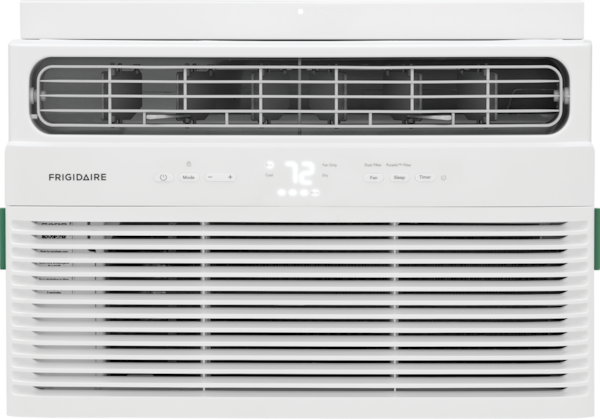
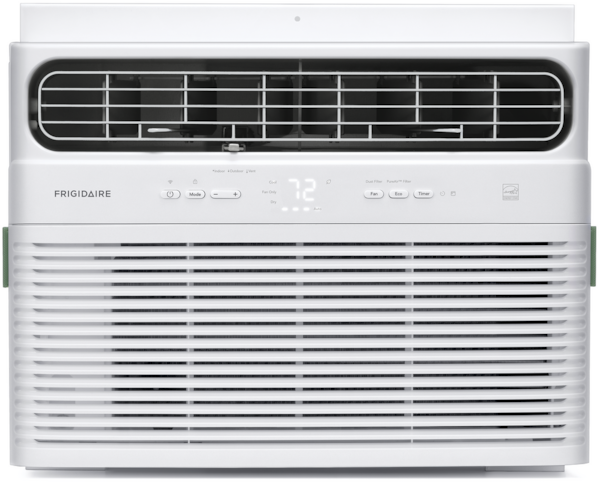
- Frigidaire Window Air Conditioners: Available in various BTU (British Thermal Unit) ratings like the Frigidaire 6,000 BTU Window Air Conditioner (great for smaller rooms) or the Frigidaire 12,000 BTU Smart Window Air Conditioner for larger spaces. Many Frigidaire models offer multiple fan speeds and sleep modes, providing enhanced comfort and improved energy efficiency.
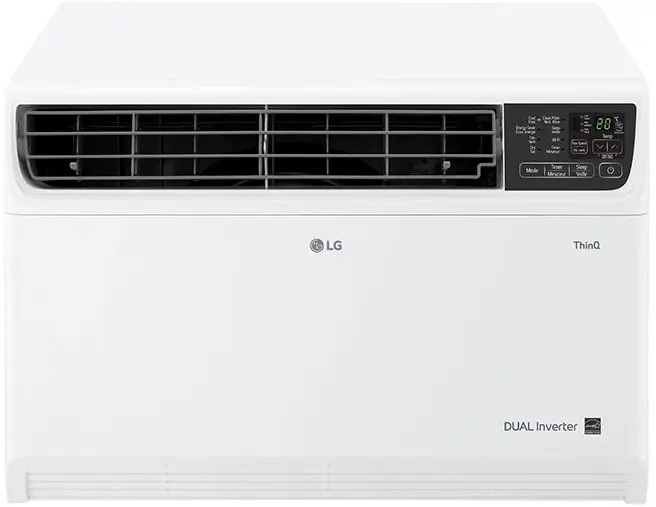
- LG Smart Energy Star Window/Wall Air Conditioners: LG offers highly efficient models with dual inverters and innovative features, such as the LG 14,000 BTU Smart Energy Star Window/Wall Air Conditioner.
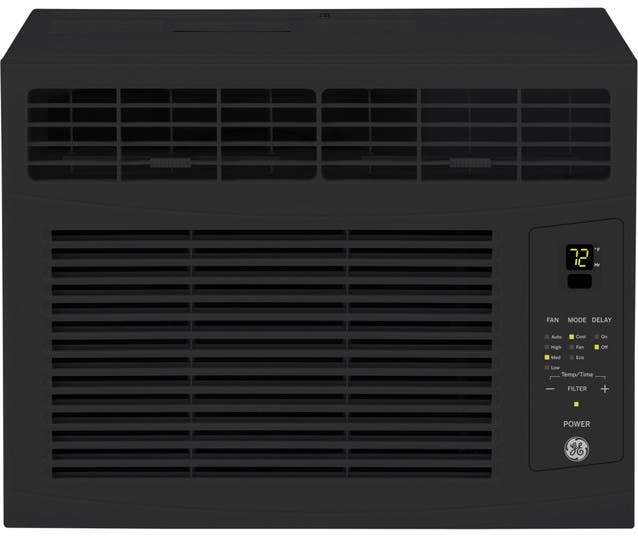
- GE Window Air Conditioners: Reliable options like the GE 6,000 BTU Window Air Conditioner with remote control for easy adjustments.
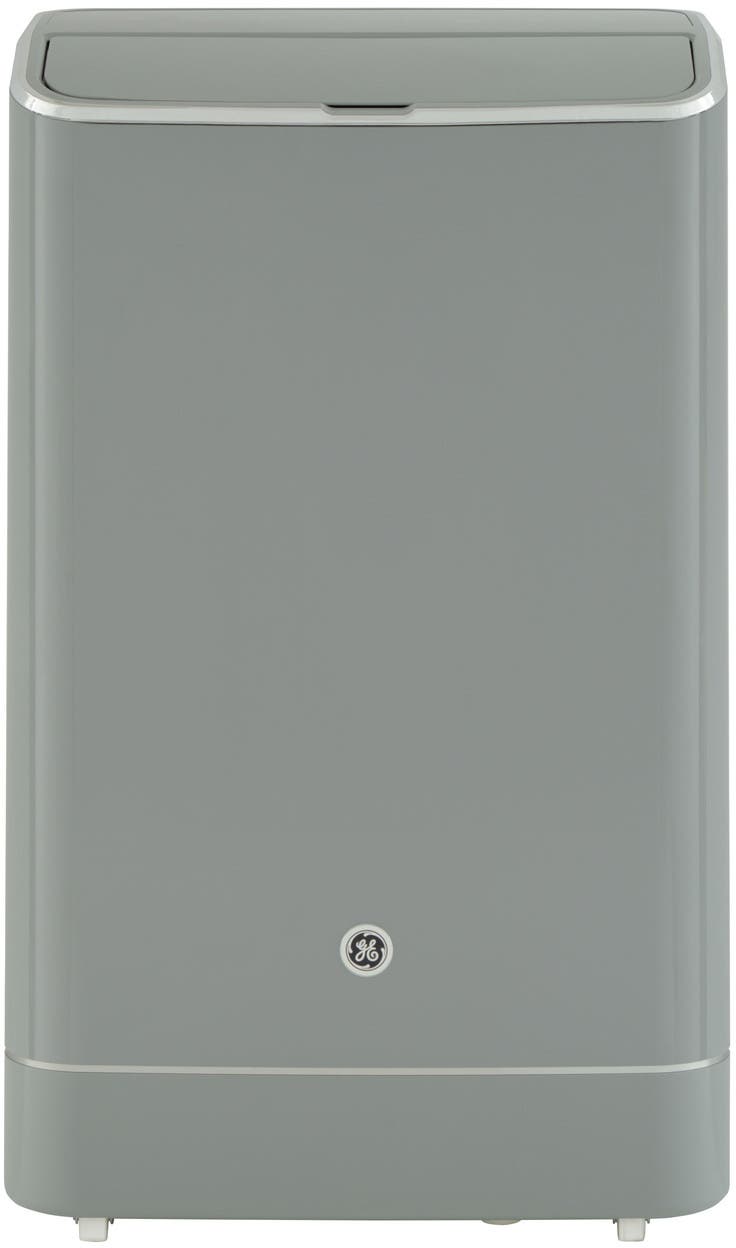
- Portable Air Conditioners: For rooms where a window unit isn't feasible, Plesser's also carries portable options, such as the GE 10,000 BTU Smart Portable Air Conditioner.
The Dehumidifier: Your Humidity Hero
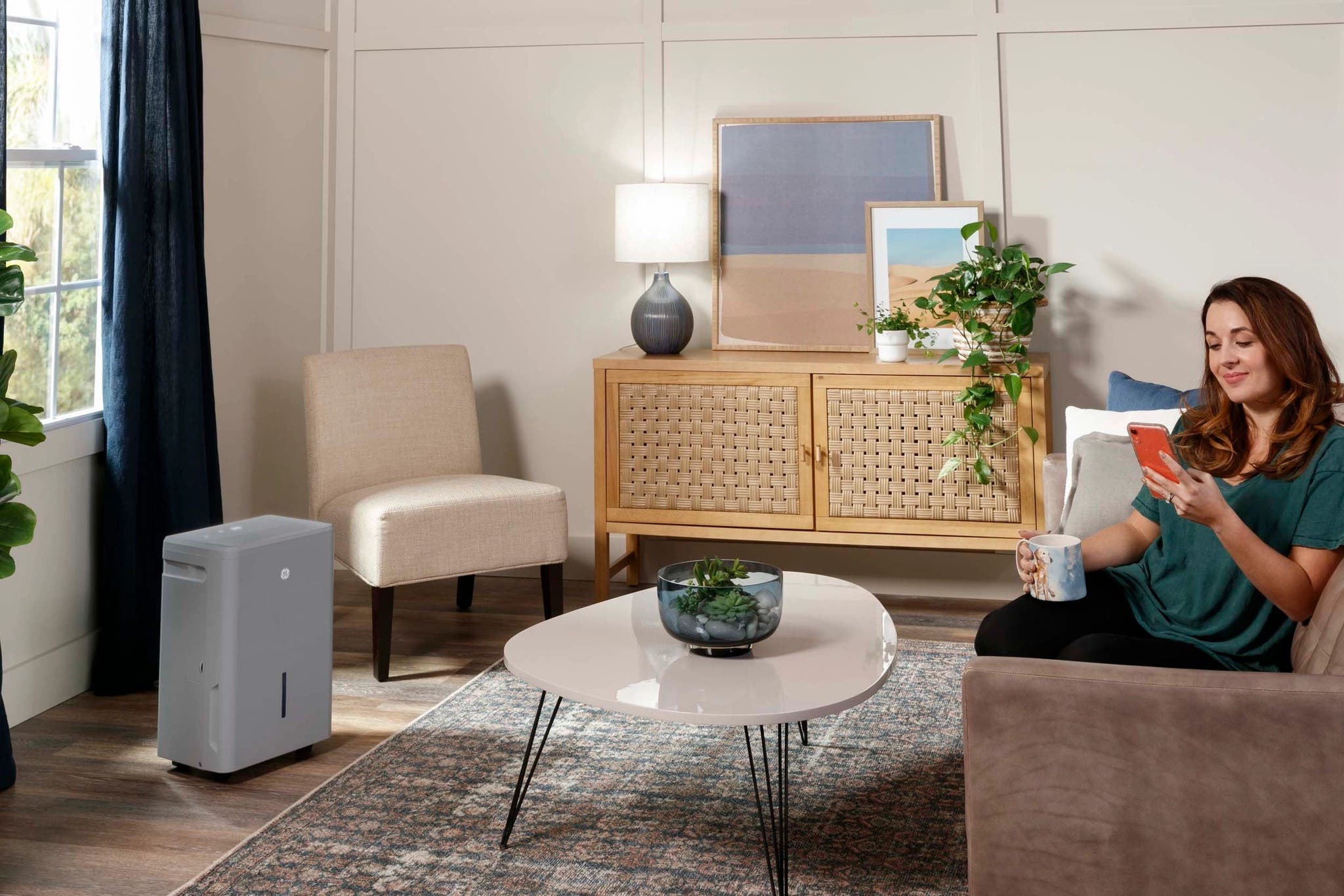
Unlike an air conditioner, a dehumidifier's sole purpose is to remove excess moisture from the air. It operates on a similar principle to an AC, drawing in humid air with a fan. This air then passes over cold coils, causing the moisture to condense into water, which collects in a reservoir or drains out through a hose. However, here's the key difference: the dehumidifier then reheats the now-dry air before releasing it back into the room. This factor means a dehumidifier will not significantly cool your space and, in some cases, might even raise the ambient temperature slightly due to the heat generated during the process.
Dehumidifiers are particularly valuable in humid climates, in damp areas like basements, or during seasons when the air feels muggy but the temperature isn't excessively hot.
Benefits of Dehumidifiers:
- Targeted Humidity Control: Dehumidifiers are highly effective at reducing relative humidity to comfortable and healthy levels (ideally between 30-50%).
- Prevents Mold and Mildew: By removing excess moisture, dehumidifiers inhibit the growth of mold, mildew, and dust mites, which thrive in damp environments. This element is especially crucial for allergy sufferers or in areas prone to dampness.
- Protects Your Home and Belongings: High humidity can damage wooden furniture, electronics, and even the structural integrity of your home over time. A dehumidifier helps preserve these assets.
- Improved Air Quality: Lower humidity levels can make the air feel lighter and fresher, reducing musty odors.
- Energy Efficient for Humidity Only: When cooling isn't necessary, a dehumidifier uses significantly less energy than an air conditioner to achieve a comfortable humidity level.
Popular Dehumidifier Models at Plesser's Appliances:
Plesser's offers a selection of dehumidifiers designed to tackle various humidity challenges. You might find models like:
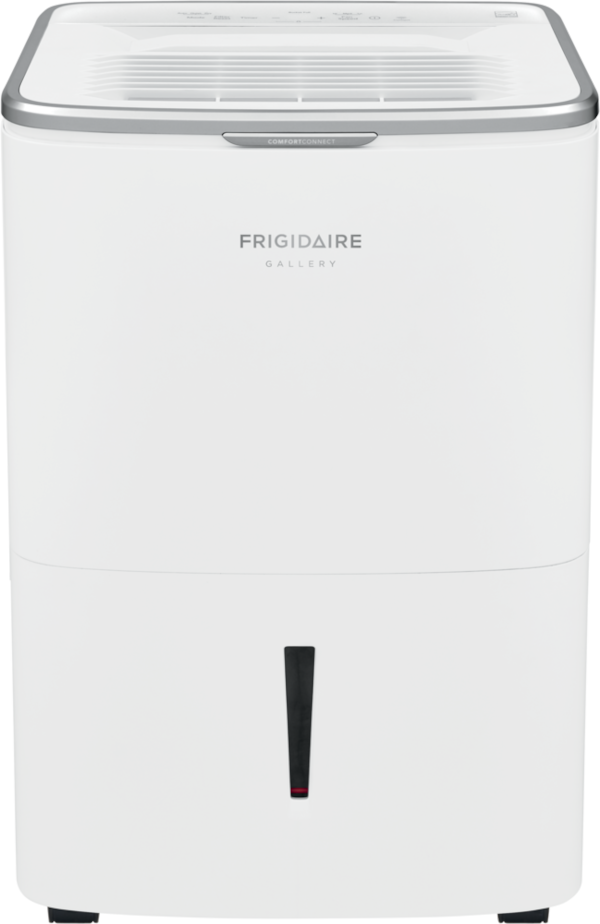
- Frigidaire Dehumidifiers: Frigidaire offers models like the Frigidaire 50-Pint Dehumidifier, which features a pump for continuous drainage without manual emptying.
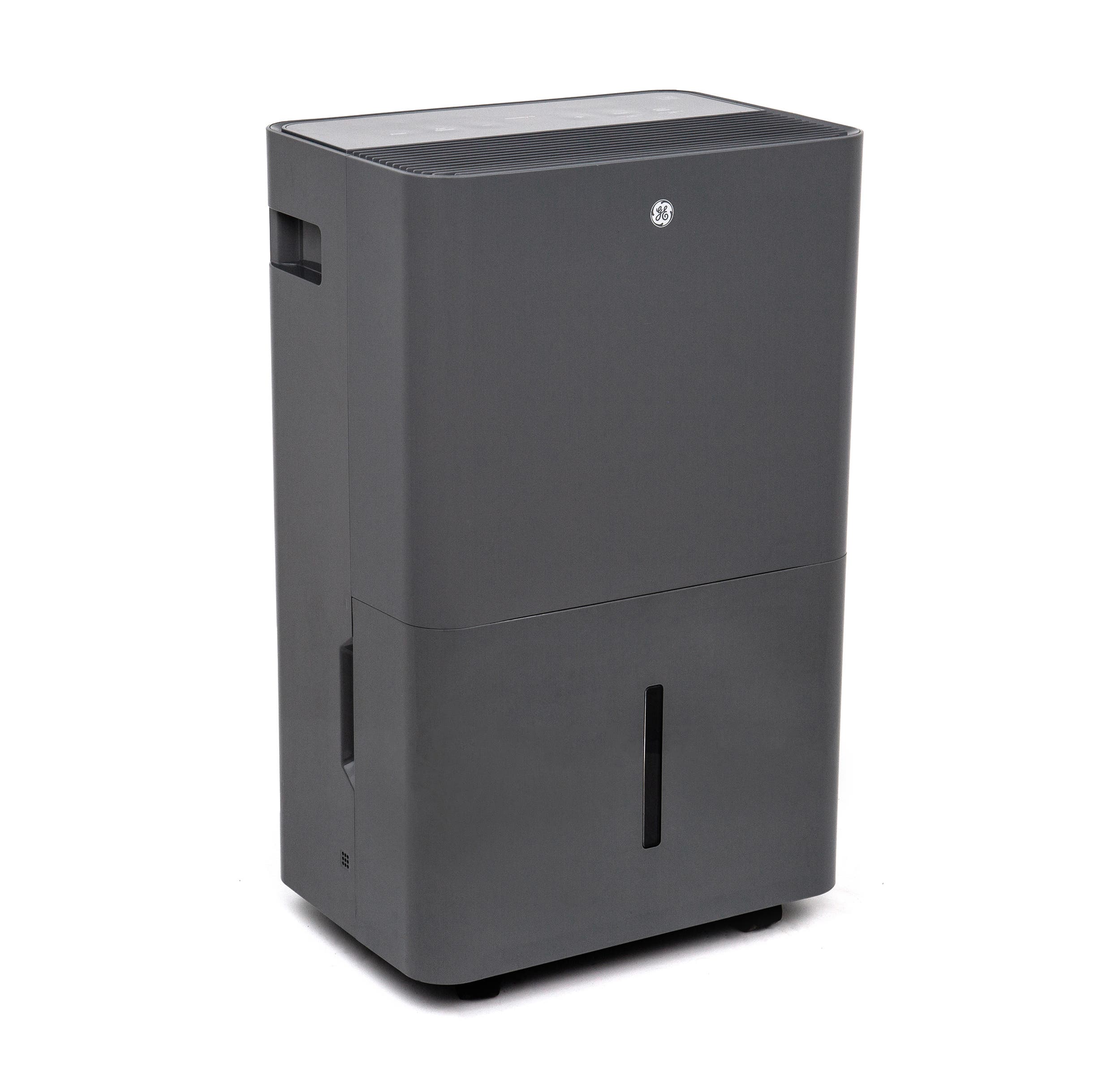
- GE Portable Dehumidifiers: Look for models like the GE 50 Pint Portable Dehumidifier for effective and portable humidity control.
Choosing the Right Appliance for Your Home
The choice between a dehumidifier and an air conditioner, or even using both, depends on your primary concern:
- If your main goal is to lower the temperature of your space during hot weather, an air conditioner is your best bet. It will cool your home efficiently and provide some humidity reduction as a bonus.
- If you're experiencing a damp, muggy feeling, musty odors, or signs of mold growth, even when temperatures aren't soaring, a dehumidifier is the ideal solution. It will specifically target and remove excess moisture, improving comfort and air quality without over-cooling.
- In some extremely humid climates or areas like basements, you may benefit from using both. An air conditioner can handle the primary cooling. At the same time, a dehumidifier can be run separately or in conjunction to maintain optimal humidity levels without forcing the AC to run excessively to achieve dryness.
Visit Plesser's Appliances to explore our full range of air conditioners and dehumidifiers. Our knowledgeable staff can help you assess your needs and find the perfect solution to keep your home comfortable throughout the year.
Take Your Appliance
Knowledge from Good to Great
Just Ask Al is your go-to expert platform to connect, share, and learn — together. Join the Community on Facebook to get expert insights, tips, and more.
Collaborate with fellow appliance enthusiasts today!
38,000+ members and growing
Join the community today—everyone is welcome!
Take Your Appliance Knowledge With You On The Go!
Just Ask Al is your go-to expert platform to connect, share, and learn — together. Join the Community on Facebook to get expert insights, tips, and more.
Collaborate with fellow appliance enthusiasts today!