Front Load vs Top Load Washers
This article was generated using AI and reviewed by a human editor for quality and accuracy.
If your washer just failed - or you are planning a laundry room for a remodel - the front load vs top load question usually comes down to more than price. The right choice affects how well clothes get cleaned, how much water and energy you use, how your laundry room is laid out, and how easy the machine feels to live with every week.
For some households, a top load washer is the practical replacement. For others, a front load model is the better long-term investment. The difference is not just style. It is about habits, space, fabric care, installation needs, and whether you want a straightforward laundry setup or a more feature-driven one.
Front load vs top load: what really changes?
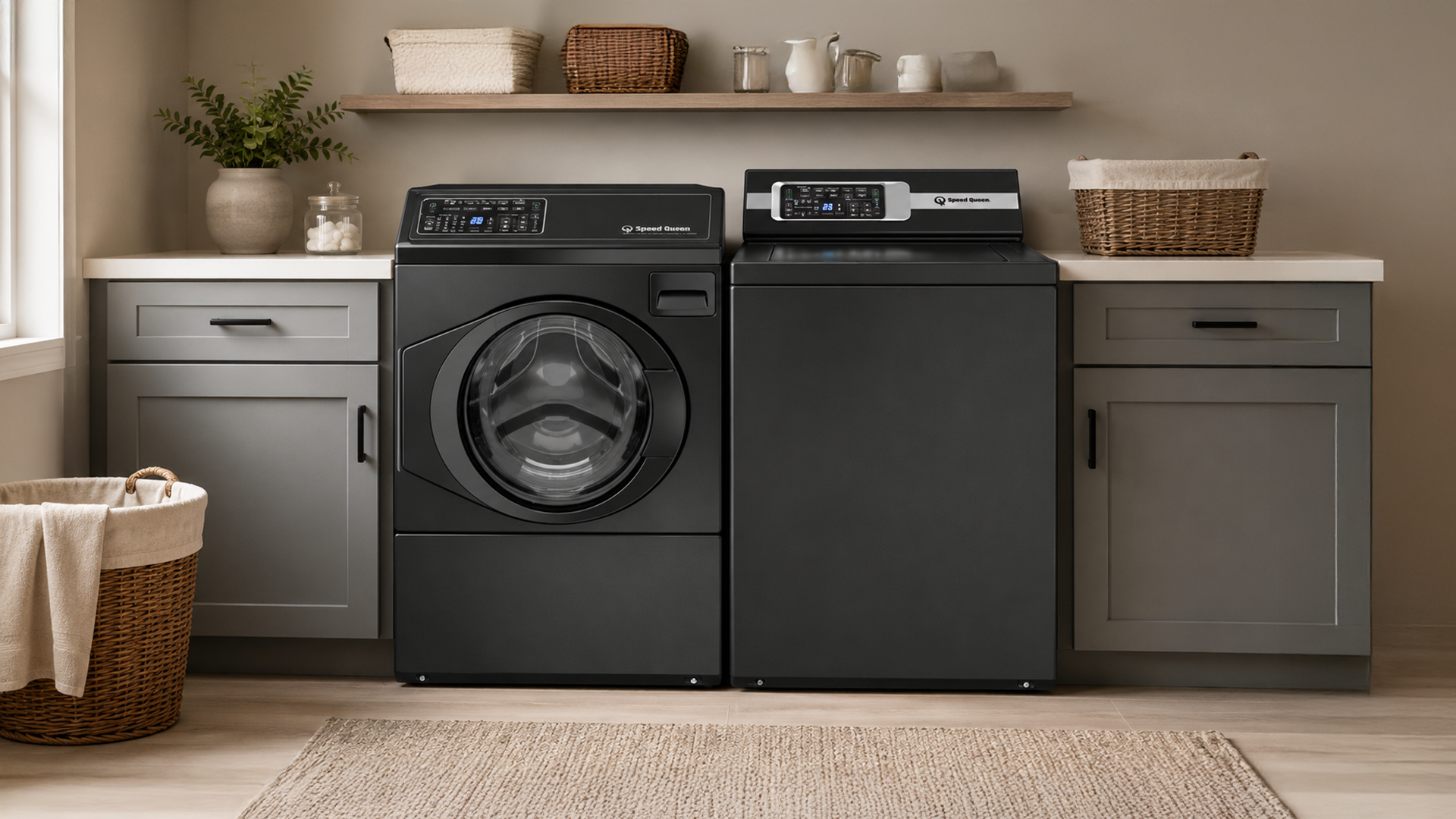
A top load washer opens from the top and typically lets you load clothes while standing upright. A front load washer opens from the front and uses a horizontal drum. That sounds simple, but the design changes the entire wash process.
Front load models tumble clothes through a small amount of water, which is generally gentler on fabrics and more efficient. Top load models fill and move laundry differently, and many buyers still prefer them for their familiar operation and quicker cycle feel. In practice, the better option depends on what you wash, how often you wash it, and what matters most to you day to day.
Cleaning performance and fabric care
Front load washers are often the stronger performers when stain removal and fabric care are both priorities. The tumbling motion is effective on everyday soil while also being easier on many garments. If your household washes activewear, delicates, school uniforms, and large mixed loads, this style usually offers a very balanced result.
That said, top load washers should not be dismissed. Many current models clean very well, especially for routine family laundry. If you are replacing an older machine, a new top load washer can still feel like a major upgrade in washing power, cycle options, and load sensing.
Where the comparison gets more specific is around wear and tear. Traditional agitator top load models can be tougher on fabrics because the center agitator moves clothes more aggressively. High-efficiency top load washers without a full agitator are usually gentler, but they may wash differently than what some owners are used to. Front load units tend to be the safer choice for preserving fabric quality over time.
Capacity and bulky items
Capacity matters if you wash comforters, towels, pet bedding, or back-to-back family loads. Front load washers often make excellent use of drum space because there is no center agitator taking up room. That can make it easier to fit bulkier items and larger loads.
Top load capacity varies more by design. A model with an agitator may offer less usable space even if the cubic-foot number looks competitive on paper. An impeller top load washer often gives you more open room for oversized items. If bedding is a major part of your routine, it is worth checking not just total capacity but the drum shape and wash system.
For busy households, this is one of the most practical parts of the buying decision. A machine that handles bigger loads comfortably can reduce the number of cycles you run each week.
Water and energy use
In most cases, front load washers use less water and are more energy efficient than top load models. They do not need to fill the tub the same way many top loaders do, and they usually extract more water during the spin cycle. That means less work for the dryer and lower utility use over time.
This efficiency can matter even more in homes where laundry is done daily or nearly every day. Over the life of the appliance, reduced water and drying time can add up to meaningful savings.
Top load washers, especially older or more basic designs, often use more water. Some buyers are comfortable with that trade-off because they value familiar loading, simpler access, or lower upfront pricing. If operating cost is a top concern, front load generally has the edge. If purchase price matters more than long-term efficiency, top load may still be attractive.
Cycle time and convenience
One reason many shoppers still lean toward top load washers is convenience. They are familiar, easy to access, and often feel faster in daily use. In many households, that practical advantage matters more than technical efficiency.
Front load washers commonly have longer cycle times. They are designed for efficient washing and high spin extraction, but a standard load may take longer than some buyers expect. If your routine involves frequent, quick-turn laundry, that can become noticeable.
Top load washers often appeal to buyers who want less waiting and easier mid-cycle access. Many also prefer not having to bend down to load and unload. On the other hand, front load units can be installed on pedestals to raise the door opening, and they stack well in tighter laundry spaces.
Laundry room layout and installation
Space planning is where front load vs top load becomes a design decision as much as a performance one. Front load washers can often be stacked with a matching dryer, which is a major advantage in closets, apartments, mudrooms, or compact laundry areas. They also work well under counters in some layouts.
Top load washers need overhead clearance for the lid, so they are not ideal for under-counter placement or stacked installations. If your laundry room is wide but not especially tall, that may not matter. If space is limited, front load is often easier to work into the room.
This is especially relevant in renovations and new construction. Builders, designers, and homeowners planning the entire space usually need to consider door swing, pedestal height, drain locations, side clearances, and whether storage cabinets will interfere with access.
Price and long-term value
Top load washers often start at a lower price point, which makes them a strong choice for straightforward replacement purchases. If you need a dependable machine without stretching the budget, there are many solid top load options across major brands.
Front load washers usually cost more upfront, especially as you move into larger capacities and premium features. But value is not just the sticker price. Better efficiency, strong fabric care, and easier handling of large loads can make a front load unit the better buy for some households over time.
This is where shopping habits matter. If you are planning to stay in the home for years, use the washer heavily, and want stronger efficiency, front load can justify the higher initial cost. If you want lower upfront spend and a simpler ownership experience, top load often makes more sense.
Maintenance and everyday upkeep
Maintenance is one of the most honest parts of this comparison. Front load washers have a strong reputation for efficiency and performance, but they do require a bit more care. The door gasket and drum should be kept clean, and it helps to leave the door slightly open between loads so moisture can dissipate. Neglecting that routine can lead to odor issues.
Top load washers are often seen as lower maintenance in day-to-day use. They do not have the same front door gasket setup, and many owners appreciate the simpler feel. That does not mean maintenance-free, but the routine is usually more familiar and less hands-on.
For some buyers, this alone tips the decision. A high-performing machine is only a good fit if it matches how you actually use it.
Which washer is better for your home?
If you want stronger efficiency, gentler fabric care, better stacking flexibility, and excellent performance on large or mixed loads, a front load washer is often the better fit. It is especially appealing for households doing frequent laundry, buyers planning a more polished laundry room, and anyone focused on long-term operating cost.
If you want easier loading, a more familiar wash experience, potentially faster-feeling cycles, and a lower starting price, a top load washer remains a very smart choice. It is often ideal for quick replacement situations, family homes with straightforward laundry needs, and buyers who value ease over extra features.
There is also a middle ground. High-efficiency top load models can offer a more modern wash system while keeping the top-opening format many shoppers prefer. That is why brand, model, and feature set still matter after you choose the basic type.
At Plesser’s, this is the kind of purchase where expert guidance can save time and prevent a mismatch. The best washer is not the one with the longest feature list. It is the one that fits your laundry habits, your space, and your budget without creating extra work after delivery.
Before you choose, think about what bothers you most about your current setup. If it is bending, cycle time, or simplicity, top load may be the right move. If it is water use, fabric wear, or fitting more into each load, front load may be worth the upgrade. The right answer usually shows up once you match the machine to the way your home actually runs.
Take Your Appliance
Knowledge from Good to Great
Just Ask Al is your go-to expert platform to connect, share, and learn — together. Join the Community on Facebook to get expert insights, tips, and more.
Collaborate with fellow appliance enthusiasts today!
38,000+ members and growing
Join the community today—everyone is welcome!


Take Your Appliance Knowledge With You On The Go!
Just Ask Al is your go-to expert platform to connect, share, and learn — together. Join the Community on Facebook to get expert insights, tips, and more.
Collaborate with fellow appliance enthusiasts today!