Front Load vs. Top Load Washers: Which is Better?
This article was generated using AI and reviewed by a human editor for quality and accuracy.
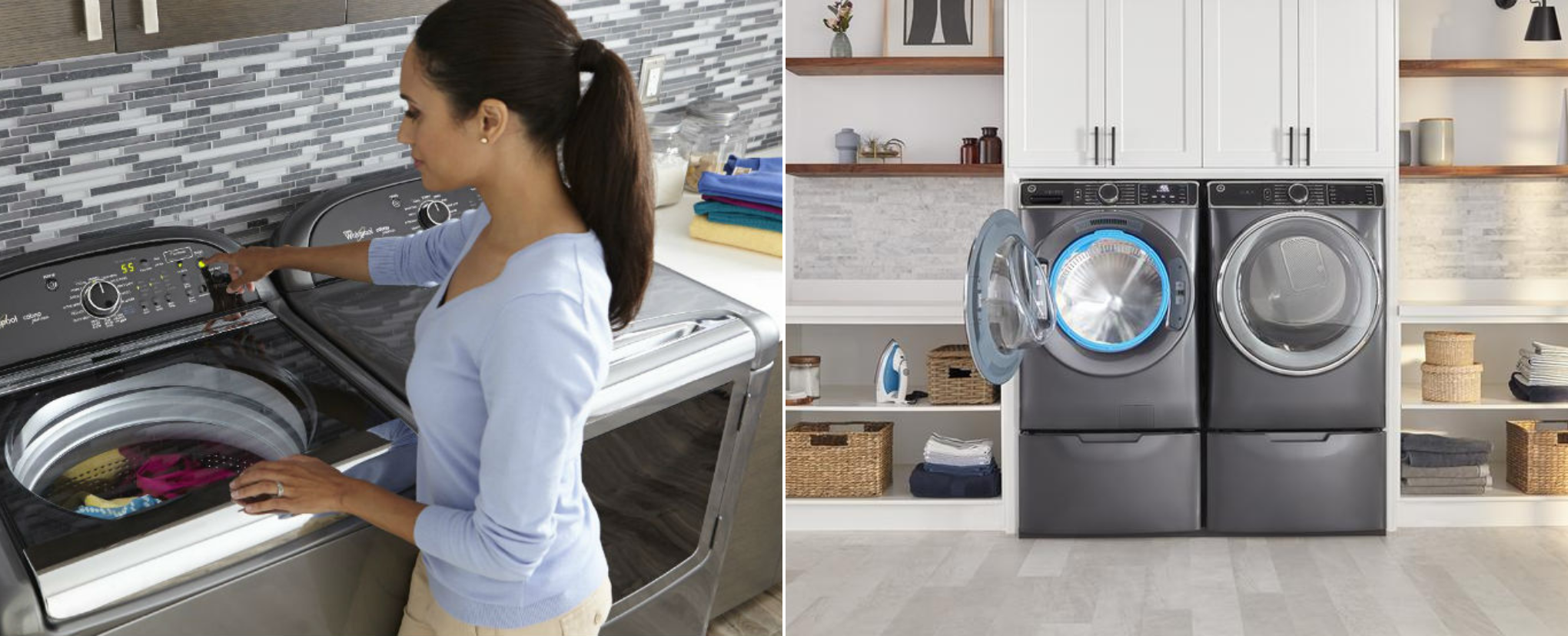
When shopping for a new washing machine, one of the biggest decisions is choosing between a front-load and a top-load washer. With so many options available, it can be overwhelming to determine which type best suits your needs. Each style has its own benefits and drawbacks, impacting factors such as cleaning performance, energy efficiency, ease of use, and cost. Whether you're looking for a washer that saves space, handles large loads, or fits within a certain budget, understanding the differences between these two types will help you make an informed decision. In this guide, we will break down the key distinctions between front-load and top-load washers to help you determine which is the best fit for your home.
Front-Load Washers
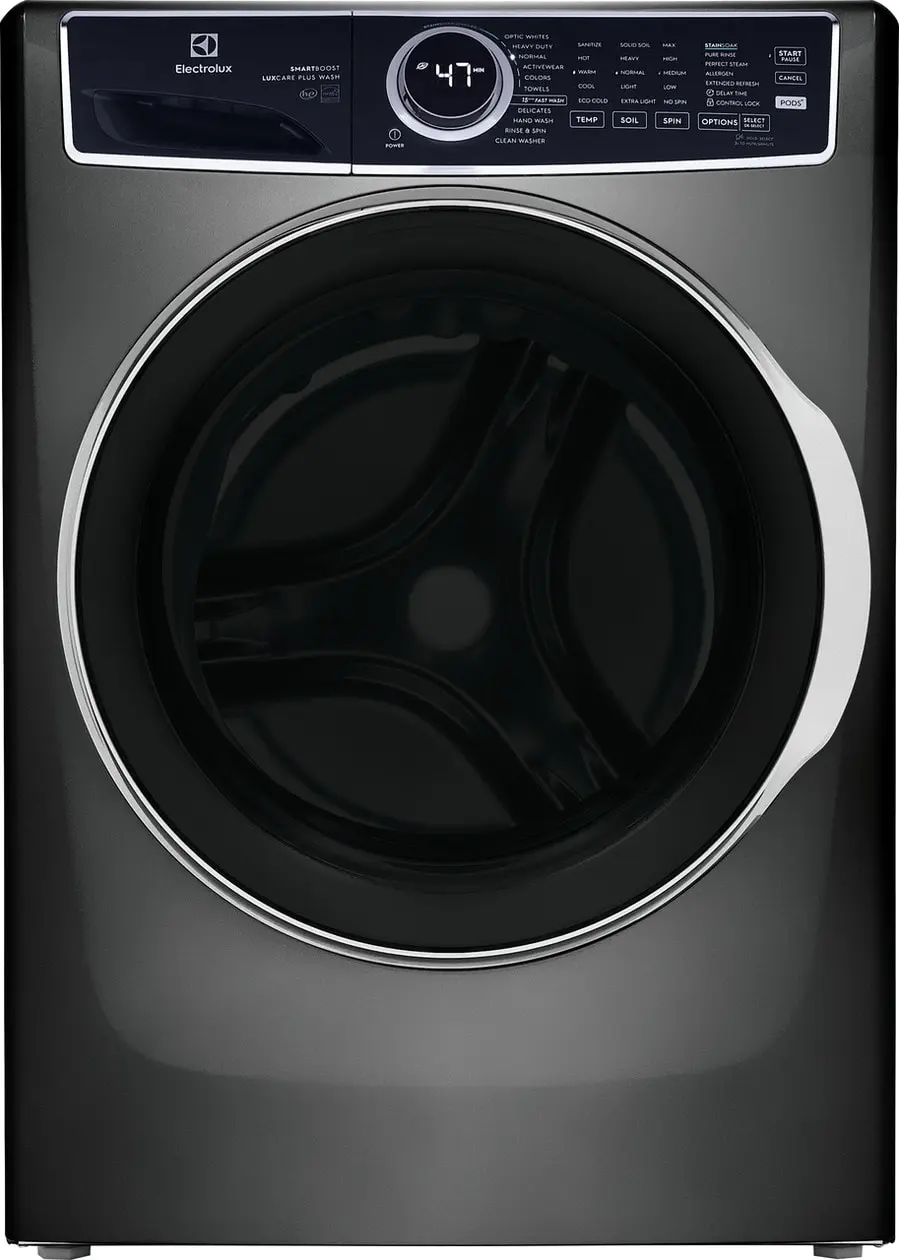
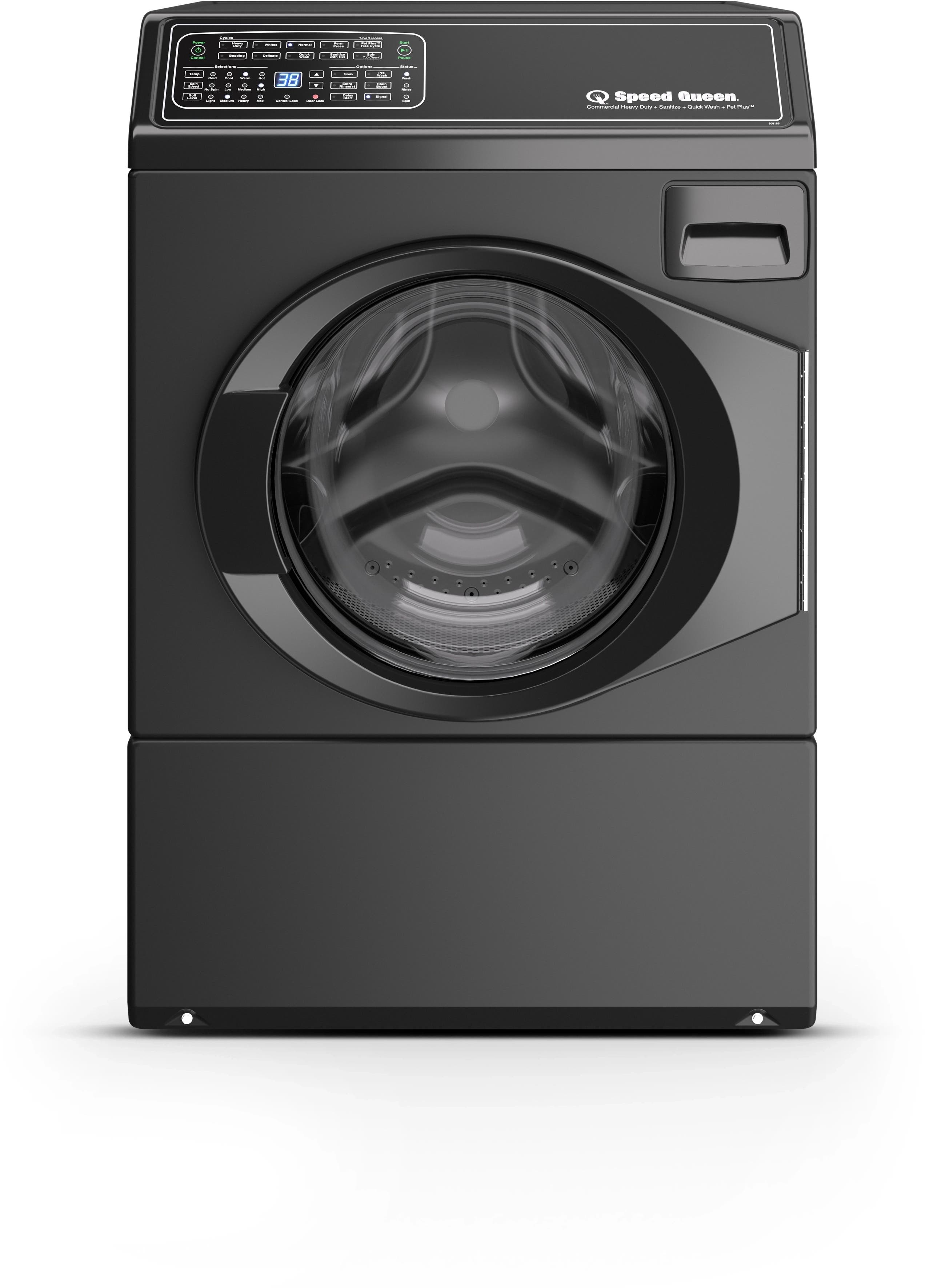
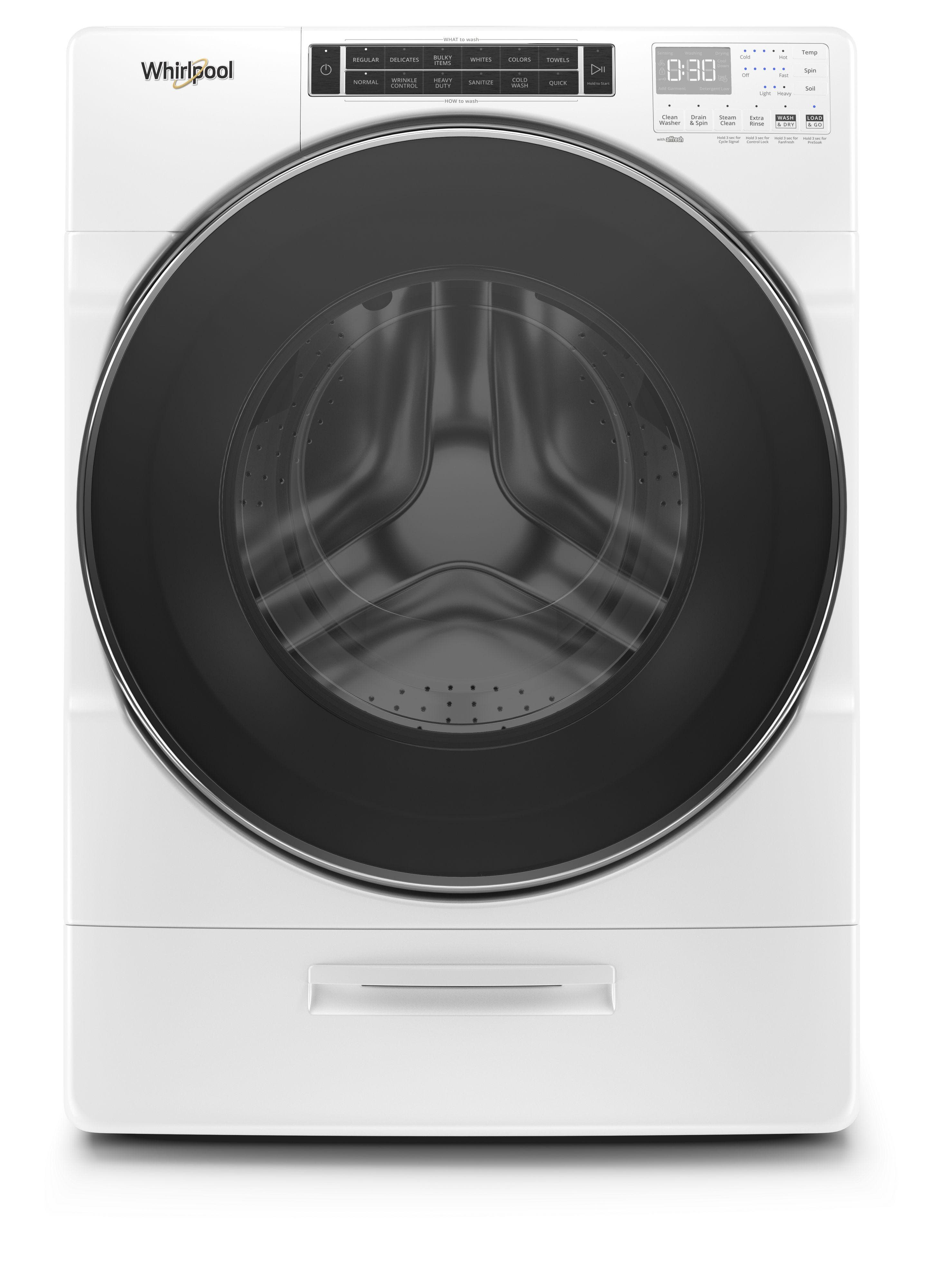
Front-load washers have gained popularity due to their efficiency, advanced features, and modern design. They operate using a horizontal drum that tumbles clothes in and out of the water, mimicking a gentle hand-washing motion. This design allows for better water usage and improved cleaning performance compared to traditional top-load models.
Pros of Front-Load Washers:
- Energy & Water Efficiency – Front-load washers use significantly less water compared to top-loaders, as they rely on gravity to distribute water through the load rather than fully submerging clothes. This leads to lower utility bills and a smaller environmental footprint.
- Superior Cleaning Performance – The tumbling motion ensures that clothes receive an even wash with thorough stain removal. Unlike top-loaders, which may struggle with bulky items, front-loaders provide deep cleaning for everything from delicate fabrics to heavily soiled garments.
- Higher Spin Speeds – These machines typically have higher spin speeds, which extract more water from clothes. This means shorter drying times and reduced energy usage in the drying cycle.
- Space-Saving Options – Many front-load washers can be stacked with a dryer, making them ideal for small laundry rooms, apartments, or homes with limited space.
- Gentle on Clothes – With no central agitator, front-load washers reduce wear and tear on clothing, helping garments last longer and maintain their quality over time.
Cons of Front-Load Washers:
- Higher Initial Cost – Front-load washers are generally more expensive upfront than traditional top-load models, though they can save money in the long run due to their efficiency.
- Longer Wash Cycles – A typical front-load cycle can take longer compared to a top-load washer, as the machine uses less water and relies on tumbling to clean clothes thoroughly.
- Potential for Mold & Mildew – The rubber gasket around the door can trap moisture, leading to mold and mildew buildup if not properly maintained. Regular cleaning and keeping the door open between washes can help prevent this issue.
- Requires Bending Down – Loading and unloading require bending, which may not be ideal for those with back or mobility issues. Pedestals are available to raise the machine to a more comfortable height, but they add to the overall cost.
Top-Load Washers
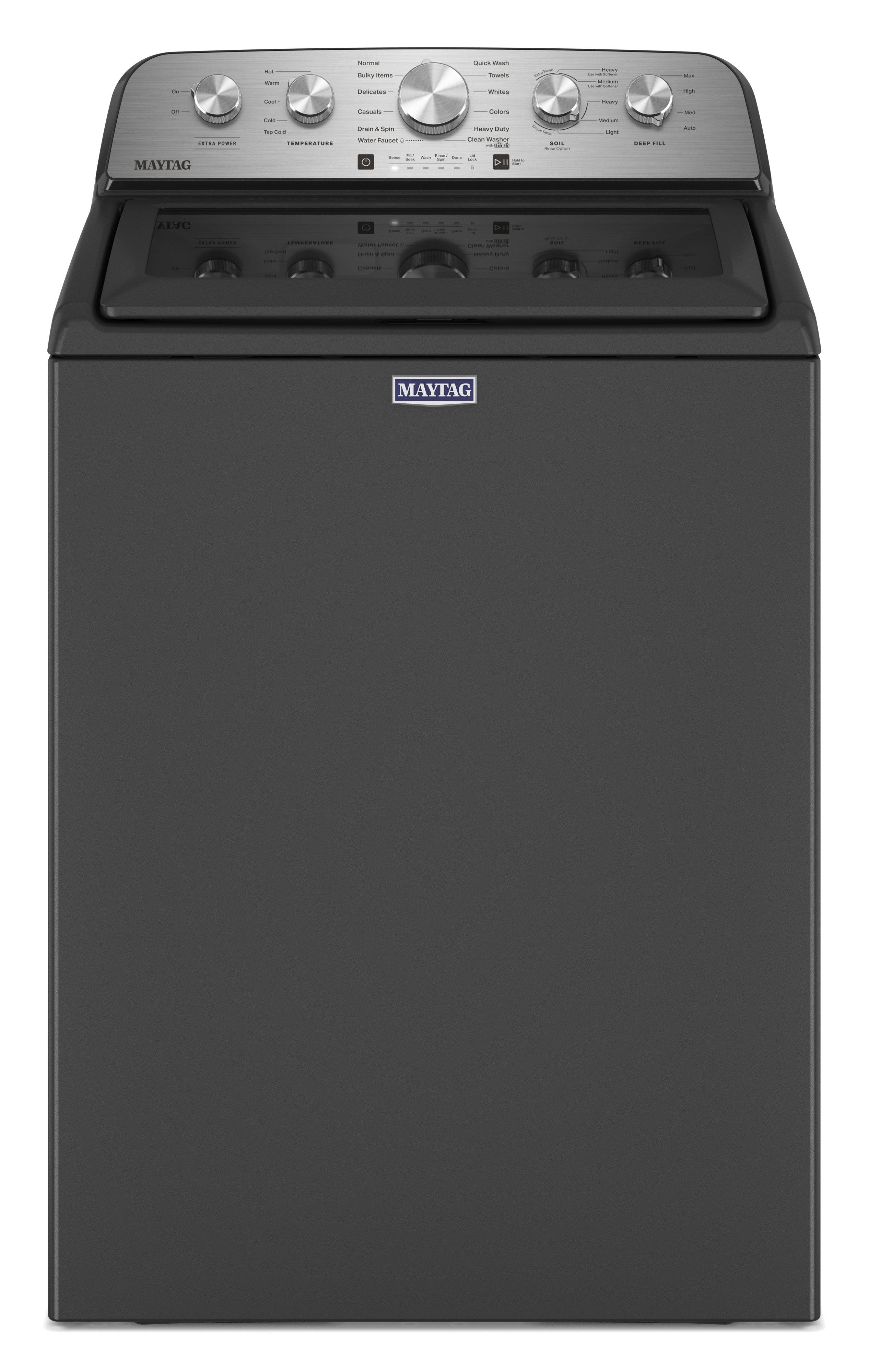
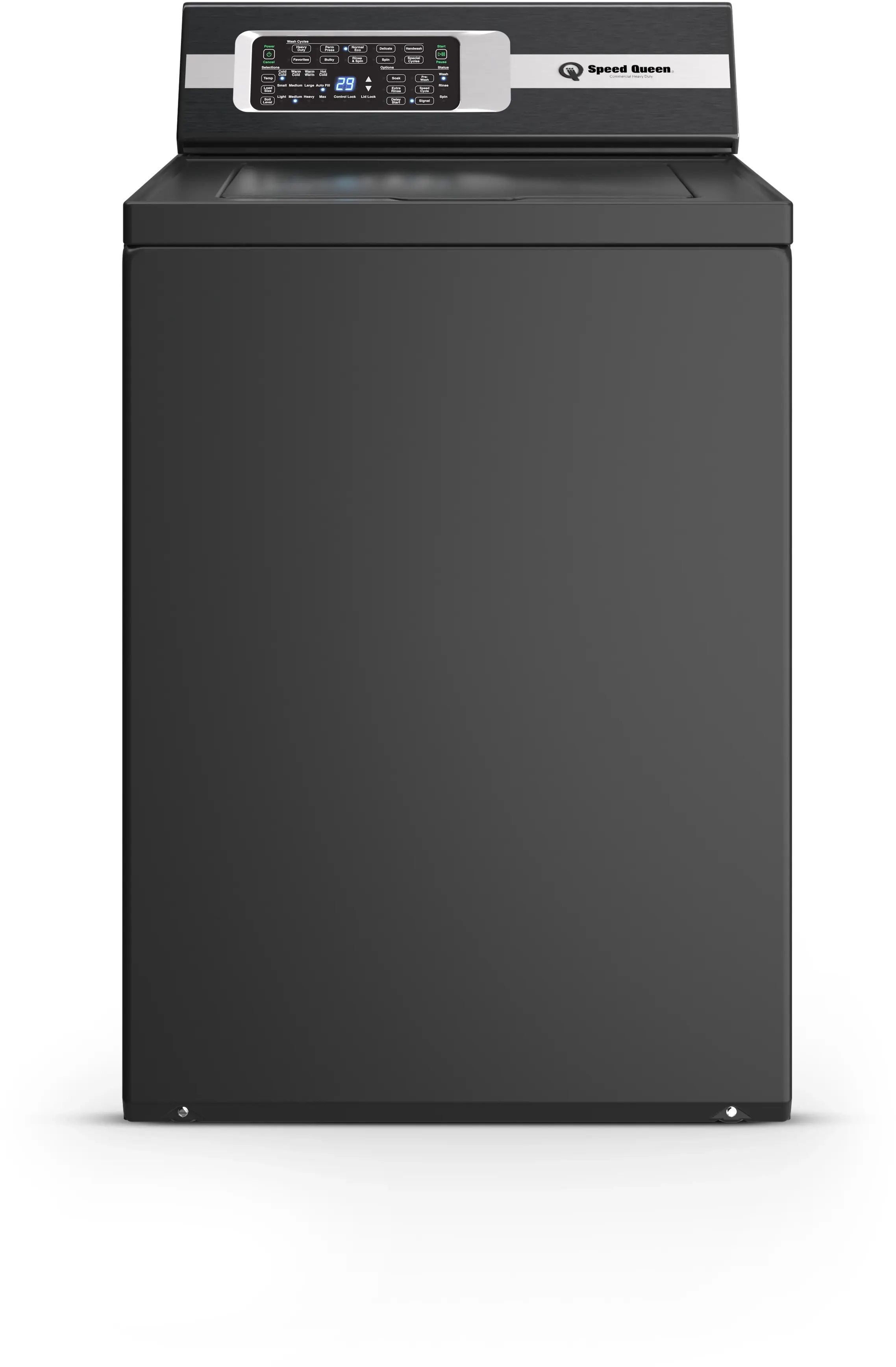
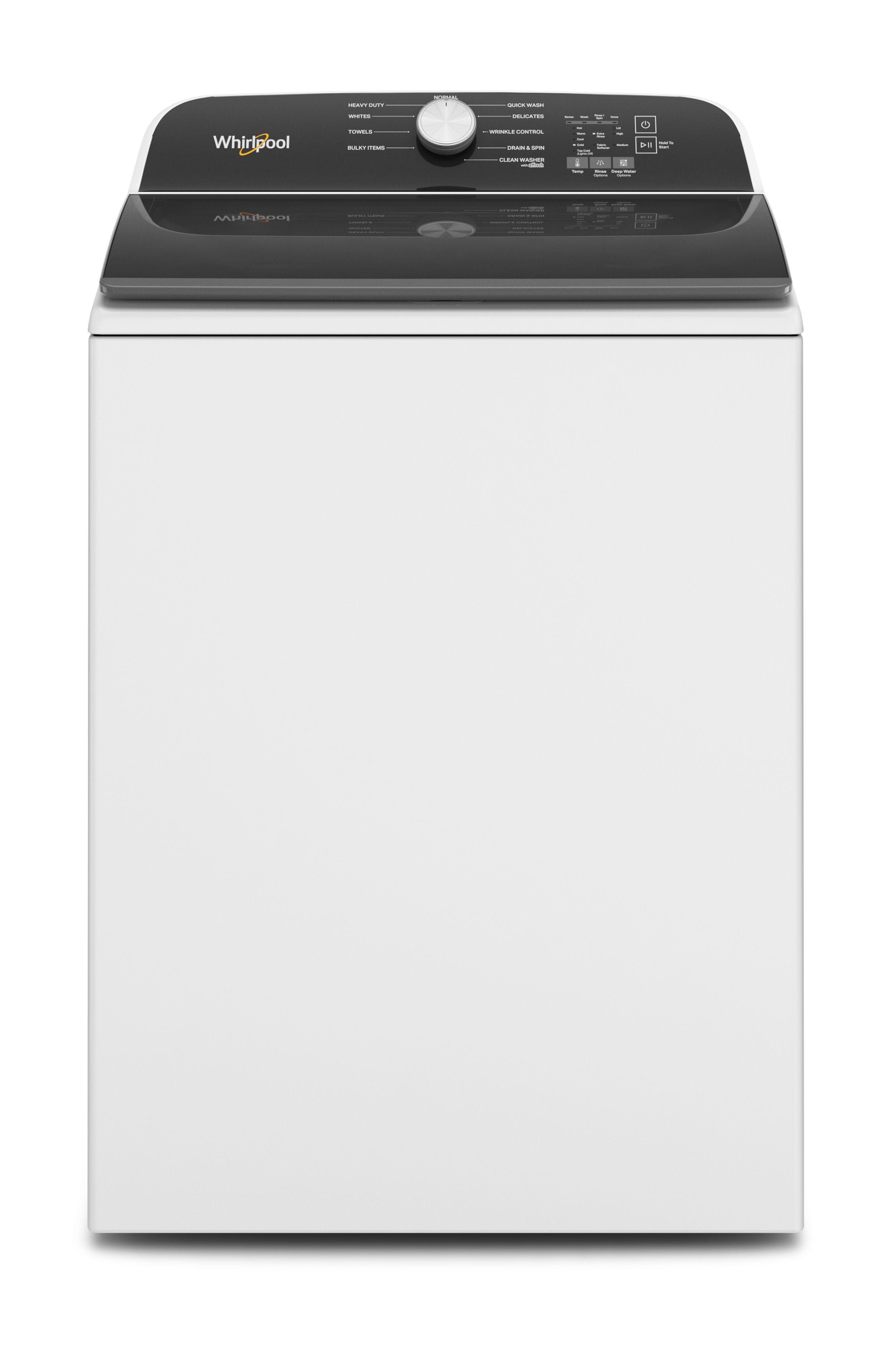
Top-load washers, whether traditional agitator models or high-efficiency impeller designs, remain a popular choice due to their ease of use and affordability. These machines feature a vertical drum where clothes are either agitated by a central post or gently moved around by an impeller at the bottom.
Pros of Top-Load Washers:
- Easier to Load & Unload – No need to bend down, making it a convenient option for those with back pain or mobility concerns. You can also easily add forgotten clothes mid-cycle.
- Shorter Wash Cycles – Traditional top-load washers generally have faster wash cycles compared to front-loaders, making them a time-saving option for those with busy schedules.
- Lower Initial Cost – Standard top-load washers are often more budget-friendly than front-load models, making them an attractive choice for those looking for affordability.
- Less Risk of Mold Issues – Since top-loaders do not have a front-facing door gasket, there’s a lower chance of mildew buildup, reducing maintenance concerns.
Cons of Top-Load Washers:
- Uses More Water & Energy – Traditional top-load washers submerge clothes fully in water, leading to higher water and energy consumption compared to front-load models. High-efficiency top-loaders help mitigate this issue but still use more water than front-loaders.
- More Wear & Tear on Clothes – Agitator models, in particular, can be rough on fabrics, leading to faster wear and tear, fraying, or even damage to delicate garments.
- Larger Footprint – Unlike front-load models, top-load washers cannot be stacked, which may take up more floor space in your laundry area.
- Lower Spin Speeds – Top-load washers typically have lower spin speeds, which means clothes retain more moisture after washing. This can lead to longer drying times and increased energy use in the dryer.
Which One is Right for You?
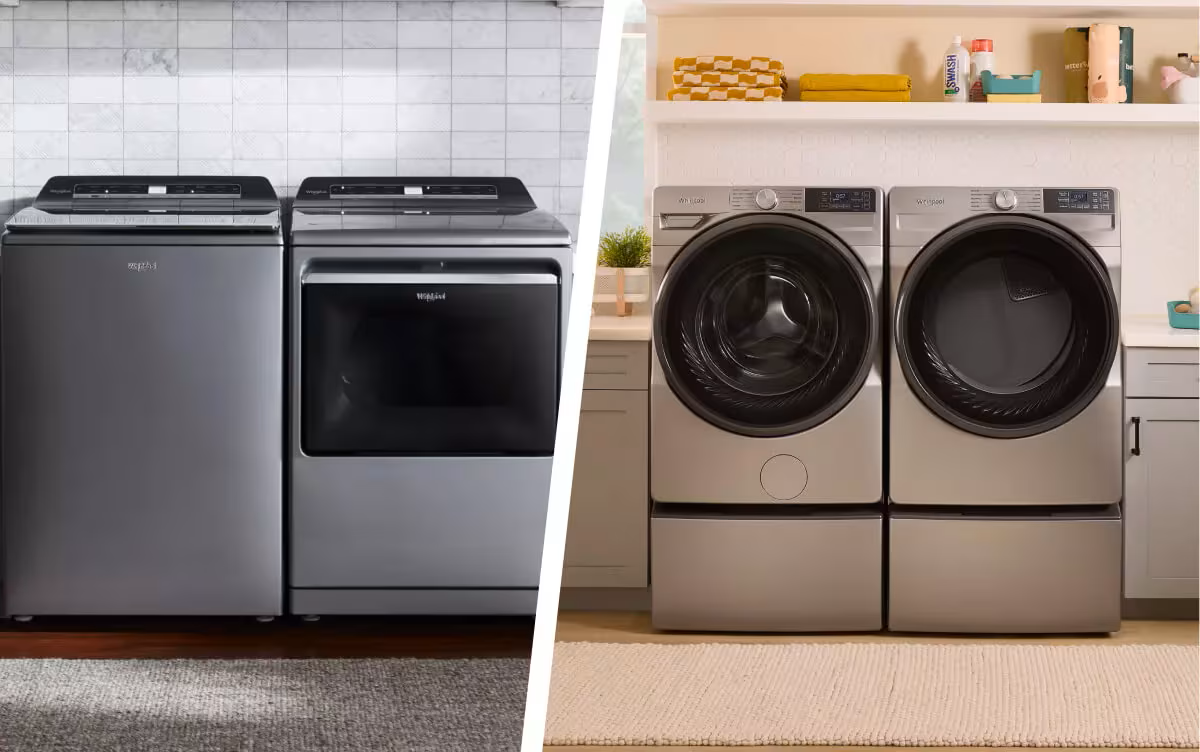
Choosing between a front-load and a top-load washer depends on your specific needs:
- Best for Efficiency & Cleaning Performance: If you prioritize energy savings, water efficiency, and deep cleaning, a front-load washer is the best choice.
- Best for Budget & Convenience: If affordability, shorter cycle times, and easy loading are more important to you, a top-load washer is a solid option.
- Best for Small Spaces: If space is limited, a stackable front-load washer is the way to go.
- Best for Large Families: If you need to wash large loads frequently, high-capacity front-load models provide excellent performance, while top-load washers with deep drums also offer ample space for bulkier items.
Final Verdict
Both front-load and top-load washers have their strengths and weaknesses. If efficiency, cleaning power, and modern features are your priorities, a front-load washer is the way to go. If affordability, shorter cycle times, and easy loading are more important to you, then a top-load washer is a great choice. Carefully consider your laundry habits, budget, and space constraints before making a decision to ensure you choose the best washing machine for your home.
FAQs
Q: Which type of washer lasts longer?
A: Both front-load and top-load washers can last 10–15 years with proper maintenance. However, top-load washers generally have fewer mechanical issues over time.
Q: Do front-load washers develop mold more easily?
A: Yes, front-load washers are more prone to mold and mildew buildup due to the rubber door gasket. Regular cleaning and keeping the door open between washes can help prevent this.
Q: Can I use regular detergent in a high-efficiency washer?
A: No, high-efficiency (HE) washers, whether front-load or top-load, require HE detergent to prevent excessive suds and ensure proper cleaning performance.
Q: Which type of washer is better for small spaces?
A: Front-load washers are better for small spaces since they can be stacked with a dryer, saving floor space.
Q: Do top-load washers clean as well as front-load washers?
A: While modern high-efficiency top-load washers clean well, front-load washers generally provide better stain removal and use less water.
Take Your Appliance
Knowledge from Good to Great
Just Ask Al is your go-to expert platform to connect, share, and learn — together. Join the Community on Facebook to get expert insights, tips, and more.
Collaborate with fellow appliance enthusiasts today!
38,000+ members and growing
Join the community today—everyone is welcome!


Take Your Appliance Knowledge With You On The Go!
Just Ask Al is your go-to expert platform to connect, share, and learn — together. Join the Community on Facebook to get expert insights, tips, and more.
Collaborate with fellow appliance enthusiasts today!