Gas vs. Electric Dryers: Which One Should You Choose?

This article was generated using AI and reviewed by a human editor for quality and accuracy.
Choosing a dryer for your home can be challenging, especially when deciding between gas and electric models. Both types serve the same purpose—drying clothes—but operate differently and offer distinct advantages.
Gas and Electric Dryers: The Basics
Gas Dryers:
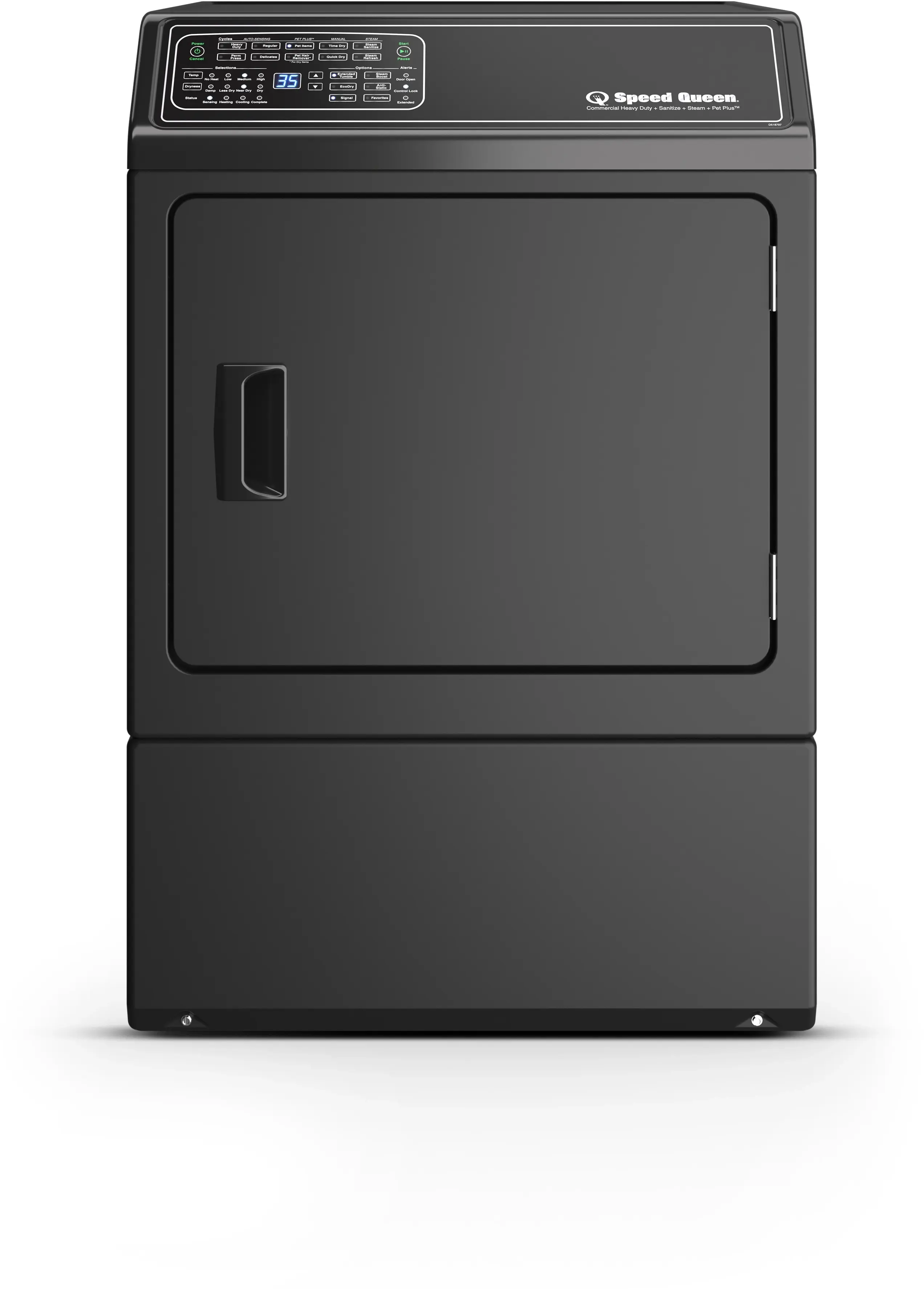
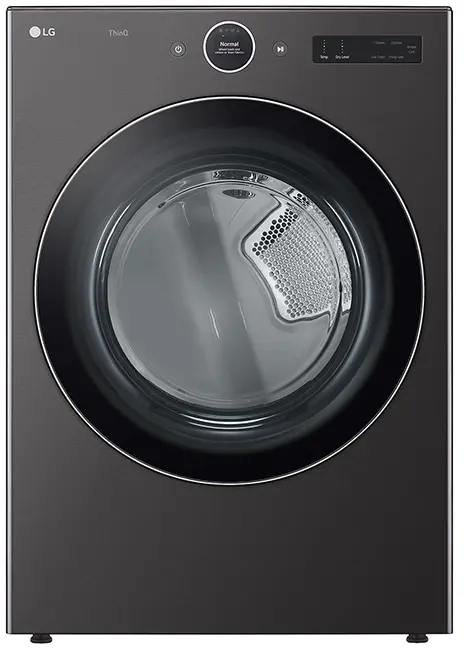
Gas dryers use natural gas to heat and circulate air through the clothes for efficient drying. They require a dedicated gas line, resulting in higher upfront costs but lower long-term operating expenses due to their energy efficiency. These dryers are ideal for those with access to natural gas and want quick drying times.

Electric Dryers:
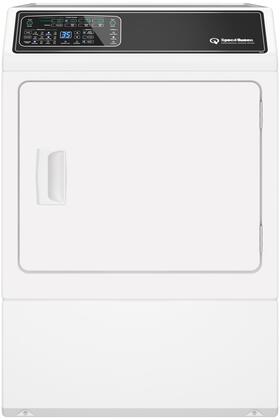
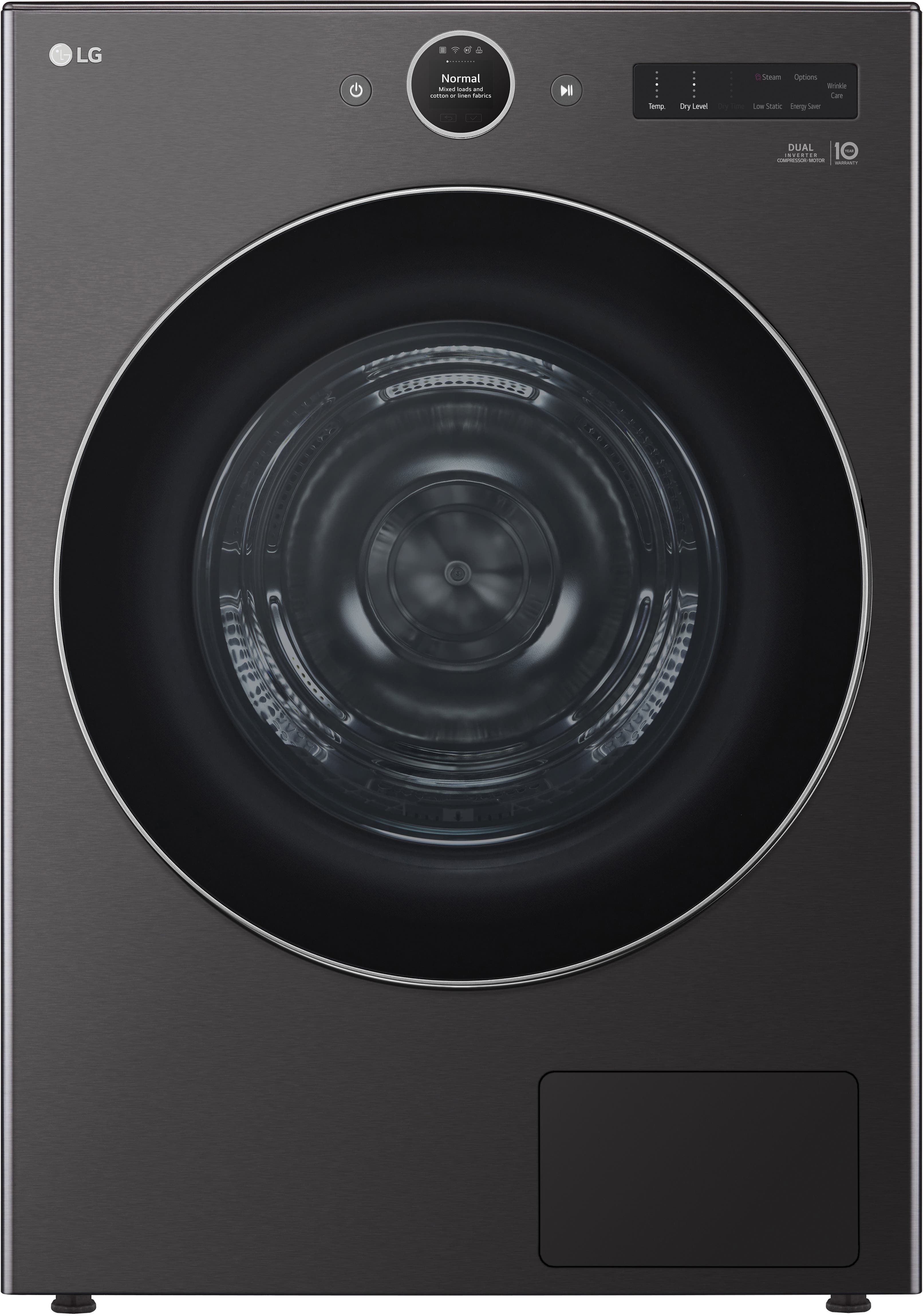
Electric dryers use electricity to power heating coils that dry clothes. They connect to a standard 240-volt outlet, making installation straightforward. Although electric dryers are typically less expensive upfront, they often incur higher operating costs over time due to rising electricity prices. These dryers are suitable for homes without gas lines and for those looking for easy installation.
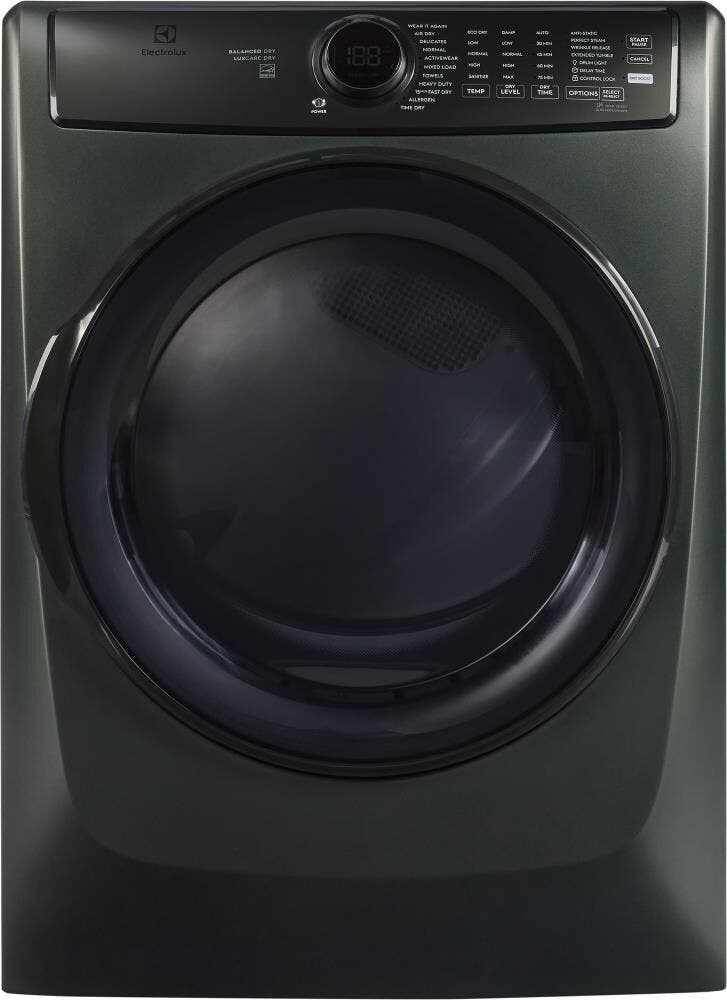
Understanding the key differences between gas and electric dryers can help you select the most suitable option for your household.
Energy Efficiency and Operating Costs
Energy efficiency is a crucial factor when selecting a dryer. The way each type of dryer consumes energy affects your utility bills and contributes to the appliance's long-term operating costs.
Gas Dryers:
Gas dryers are generally more energy-efficient because natural gas is a cheaper and more efficient fuel source than electricity. They heat up quickly, resulting in shorter drying times and reduced energy consumption.
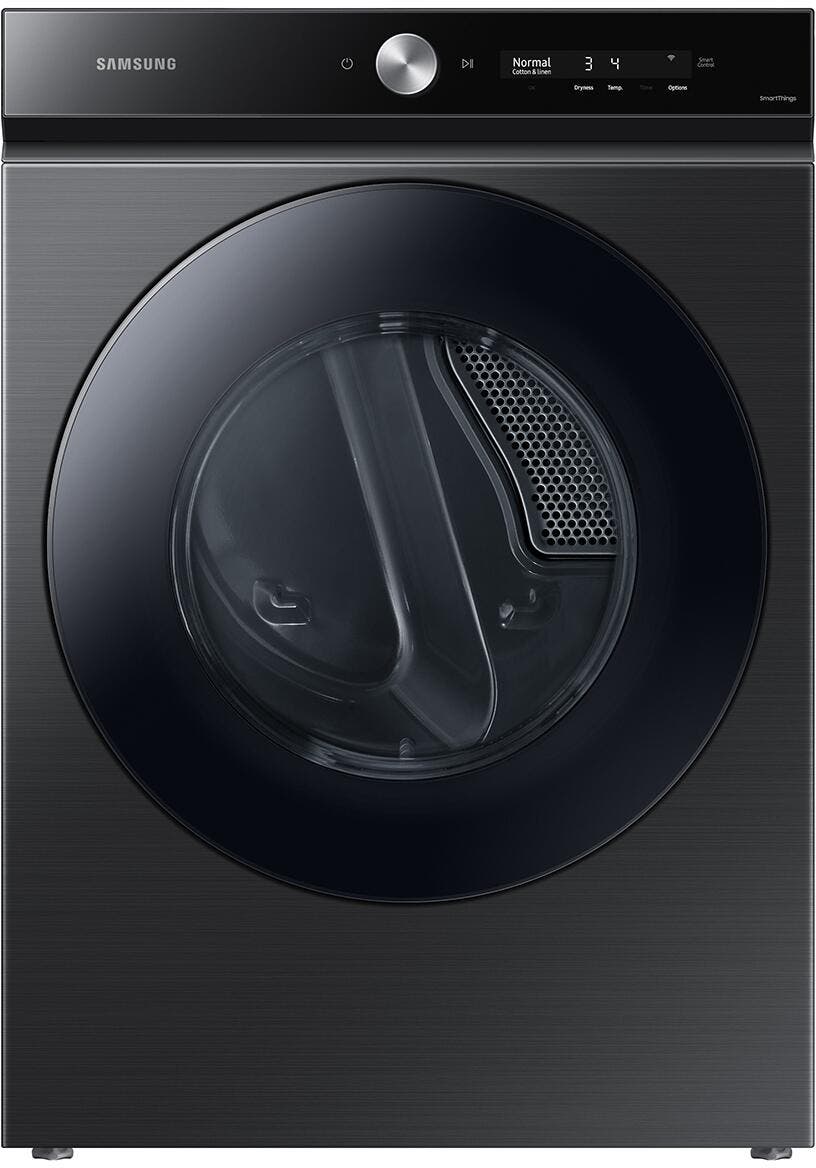
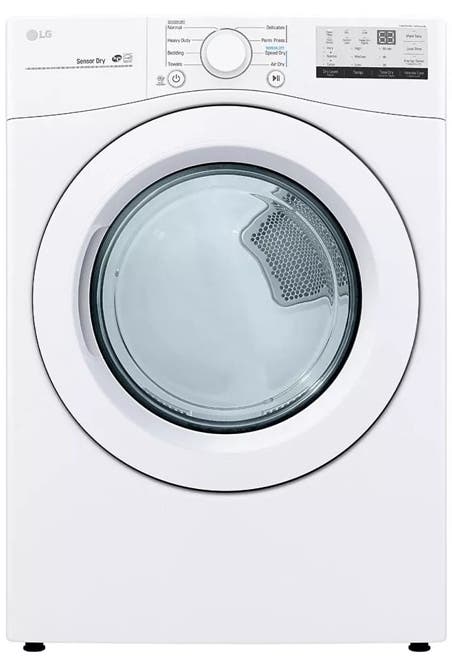
Although gas dryers have a higher upfront cost due to the need for a gas hookup, they typically result in lower operating costs over time.
- Lower operating costs: Gas dryers can reduce energy bills.
- Quicker drying times: Faster drying cycles help lower energy usage.
- Initial investment: Requires the installation of a gas line if one is not already available.
Gas dryers can offer significant savings on your energy bills, especially for those who regularly do large loads of laundry.
Electric Dryers:
Electric dryers are generally more affordable upfront, as they require only a standard 240-volt outlet for operation. However, they tend to have higher running costs due to the greater electricity expense than natural gas.

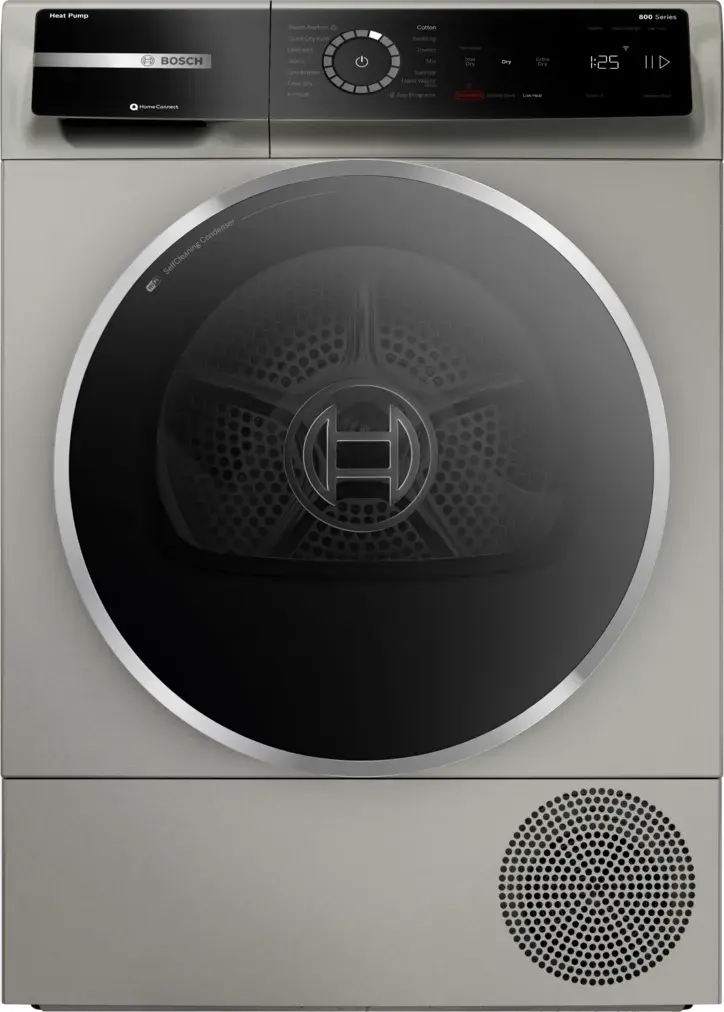
Despite these higher operating costs, many newer electric dryer models have energy-saving features.
- Lower initial cost: Generally more affordable than gas dryers.
- Higher operating costs: Electricity is typically more expensive than gas.
- Energy-saving options: New models feature moisture sensors for enhanced efficiency.
Although electric dryers may be more expensive to operate, they remain a reliable and budget-friendly option for those who do not wish to invest in a gas line installation.
Drying Time
Drying time is another crucial factor to consider when choosing between a gas and an electric dryer. Nobody wants to wait too long for laundry to dry, especially in a busy household.
Gas Dryers:
Gas dryers often dry clothes faster than electric models because they generate heat more quickly.
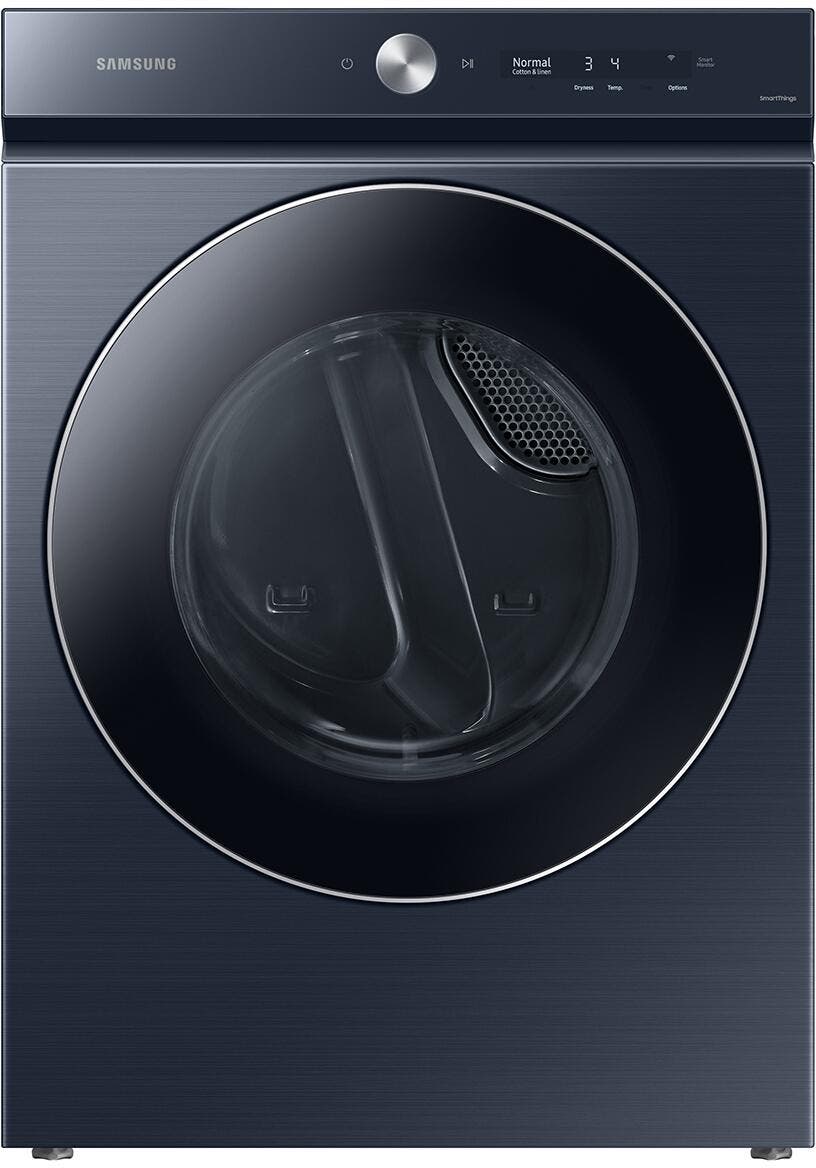
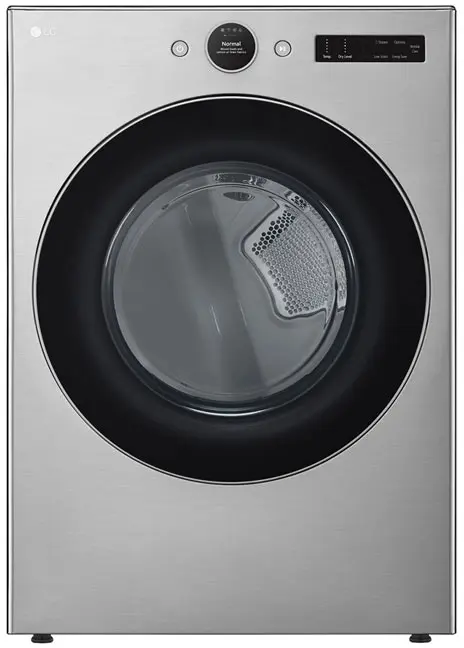
This process results in shorter drying times, which can be particularly advantageous for large loads or heavier fabrics, such as towels and bedding.
- Faster drying times: Gas dryers can dry clothes more quickly.
- Ideal for large loads: More efficient for heavy fabrics or families with significant laundry needs.
If you prioritize efficiency and speed, a gas dryer may be the better option to keep your laundry routine running smoothly.
Electric Dryers:
Electric dryers typically take longer to dry clothes compared to gas models. While many modern electric dryers are more efficient, they generally need more time to generate the necessary heat.

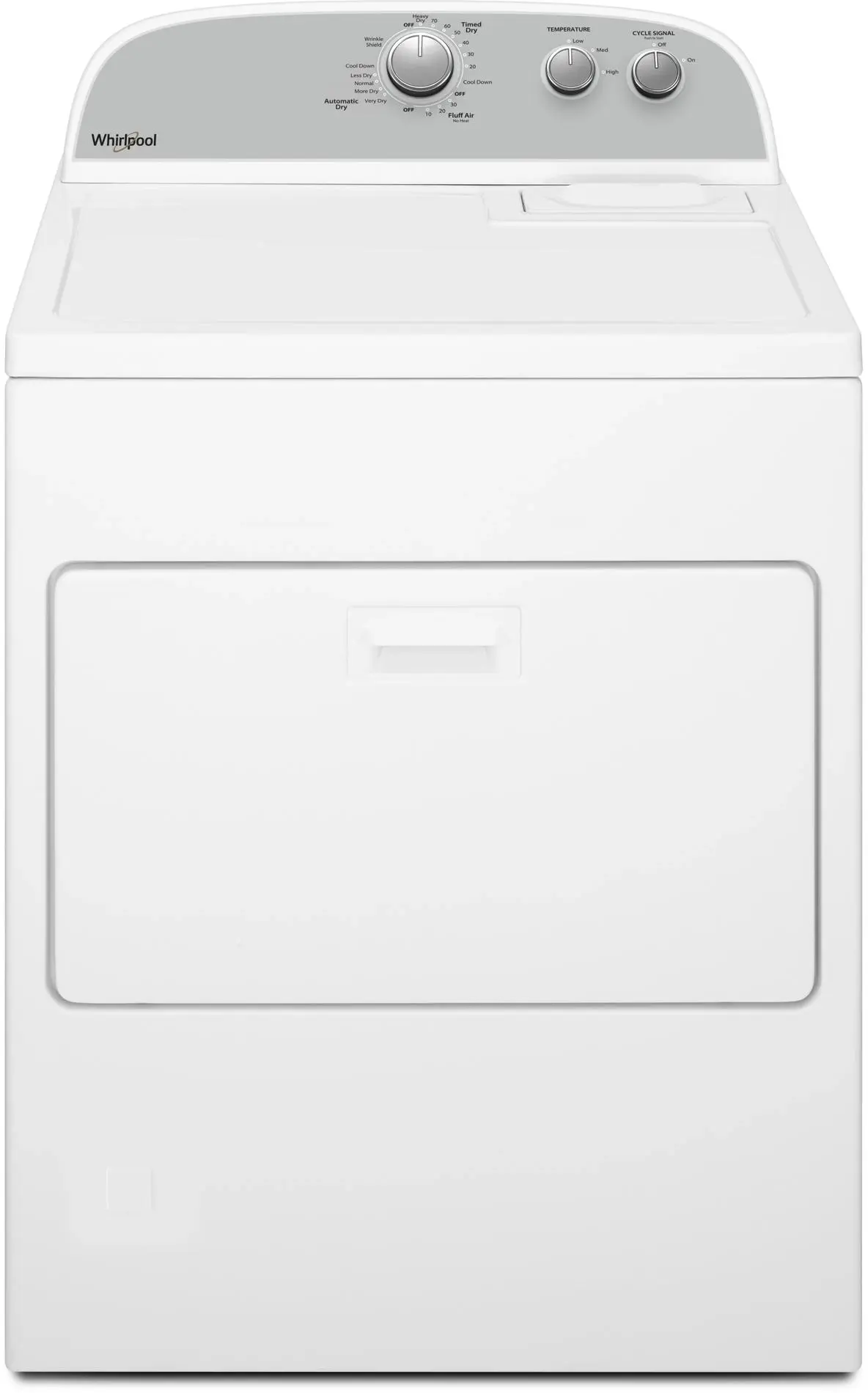
As a result, drying times may be longer, which in turn influences energy consumption.
- Longer drying times
- Efficient drying cycles: Newer models often utilize moisture sensors to optimize the drying process.
If drying time isn't a significant concern, an electric dryer can still handle your laundry efficiently, although it may take longer.
Installation and Setup
The installation process for gas and electric dryers differs, so it's essential to consider your home’s setup before making a choice.
Gas Dryers:
Gas dryers require a natural gas hookup, making them best suited for homes with a gas line installed near the laundry area. If your home lacks a gas line, you will need to have one installed at a cost. Additionally, gas dryers must have adequate ventilation to expel exhaust gases, adding another layer of complexity to the installation.
- Requires gas hookup: Needs a natural gas line for operation.
- Installation costs: Additional expenses may apply for gas line installation.
- Proper outdoor venting is necessary.
If your home already has a gas line and the installation is straightforward, a gas dryer may be the most effective choice for your laundry needs.
Electric Dryers:
Electric dryers are easier to install since they only require a 240-volt outlet, which is typically already available in most homes. This makes electric dryers a more accessible option for renters or those without a gas line in their home. Like gas dryers, electric dryers also need to be vented to the outside to expel hot air and moisture.
- Easier installation: Only requires a 240-volt outlet.
- Lower installation cost: No need for a gas line or special hookups.
- Ventilation required: Must be properly vented to the outside.
Electric dryers are the more flexible option if you don’t have a gas line or prefer an easier installation process.
Performance and Reliability
Both gas and electric dryers are designed to last, but their reliability and performance can differ in some ways.
Gas Dryers:
While gas dryers tend to have a higher initial cost, they are generally known for their fast drying times and energy efficiency. However, they require regular maintenance to ensure the gas line and burner components are functioning properly. If not maintained, gas dryers may experience issues with heating or ignition.
- Higher initial cost: Gas dryers are typically more expensive.
- Faster drying: Efficient at drying clothes quickly.
- Maintenance required: Gas lines and burner components may require regular check-ups.
For those who are willing to invest in maintenance, gas dryers offer excellent performance and longevity.
Electric Dryers:
Electric dryers are generally simpler in design and tend to require less maintenance than gas dryers. They don’t rely on a gas line or burner components, which can reduce the risk of issues. However, electric dryers may have slightly slower drying times, which could affect overall performance.
- Lower initial cost: Less expensive upfront compared to gas models.
- Minimal maintenance: Fewer components to maintain.
- Slower drying: Can take more time to dry clothes.
If you want a straightforward, reliable option, an electric dryer might be the perfect fit.
Which Dryer Is Right for You?
Choosing between a gas or electric dryer ultimately depends on your household’s needs, budget, and home setup. Gas dryers are more energy-efficient and dry clothes faster, making them a great option for larger families or those who do heavy laundry loads. However, they come with a higher initial cost and require a gas line installation.
Electric dryers, on the other hand, are easier to install and less expensive upfront, making them a good choice for smaller households or renters. While they tend to be less efficient and take longer to dry clothes, they are still a reliable and cost-effective choice.
Consider factors like drying time, installation complexity, energy costs, and your long-term budget to determine which option is best for your home.
FAQs
1. Are gas dryers more expensive than electric dryers?
Yes, gas dryers have a higher upfront cost due to the need for a gas hookup; however, they typically have lower operating costs since natural gas is generally less expensive than electricity.
2. Do gas dryers require a special installation?
Yes, they need a natural gas line and proper venting, which may require professional installation. Installing a gas line requires additional costs.
3. Can I convert an electric dryer to a gas dryer?
No, you cannot convert an electric dryer to a gas dryer. You must buy a new gas dryer and ensure your home has the proper gas line and ventilation.
4. Which dryer dries clothes faster, gas or electric?
Gas dryers typically dry clothes faster because they heat up more quickly, resulting in shorter drying times and reduced energy consumption.
5. Are gas dryers safer than electric dryers?
Both are safe when properly maintained. Gas dryers need regular checks to ensure the safe functioning of gas lines and burners. Always follow the manufacturer's safety guidelines.
Take Your Appliance
Knowledge from Good to Great
Just Ask Al is your go-to expert platform to connect, share, and learn — together. Join the Community on Facebook to get expert insights, tips, and more.
Collaborate with fellow appliance enthusiasts today!
38,000+ members and growing
Join the community today—everyone is welcome!


Take Your Appliance Knowledge With You On The Go!
Just Ask Al is your go-to expert platform to connect, share, and learn — together. Join the Community on Facebook to get expert insights, tips, and more.
Collaborate with fellow appliance enthusiasts today!