Gas vs. Electric vs. Induction: Which Cooking Method is Best?
This article was generated using AI and reviewed by a human editor for quality and accuracy.
When it comes to choosing the right cooking method for your kitchen, it can be overwhelming to decide between gas, electric, and induction cooktops. Each type offers its own set of advantages and disadvantages, making it essential to evaluate your specific needs, cooking habits, and kitchen setup. In this blog post, we will compare the three main types of cooktops—gas, electric, and induction—highlighting their performance, energy efficiency, safety, and overall value to help you determine which one is best for you.
What Are the Differences Between Gas, Electric, and Induction Cooktops?
Before diving into the pros and cons of each type of cooking method, it's important to understand the basic differences between them.
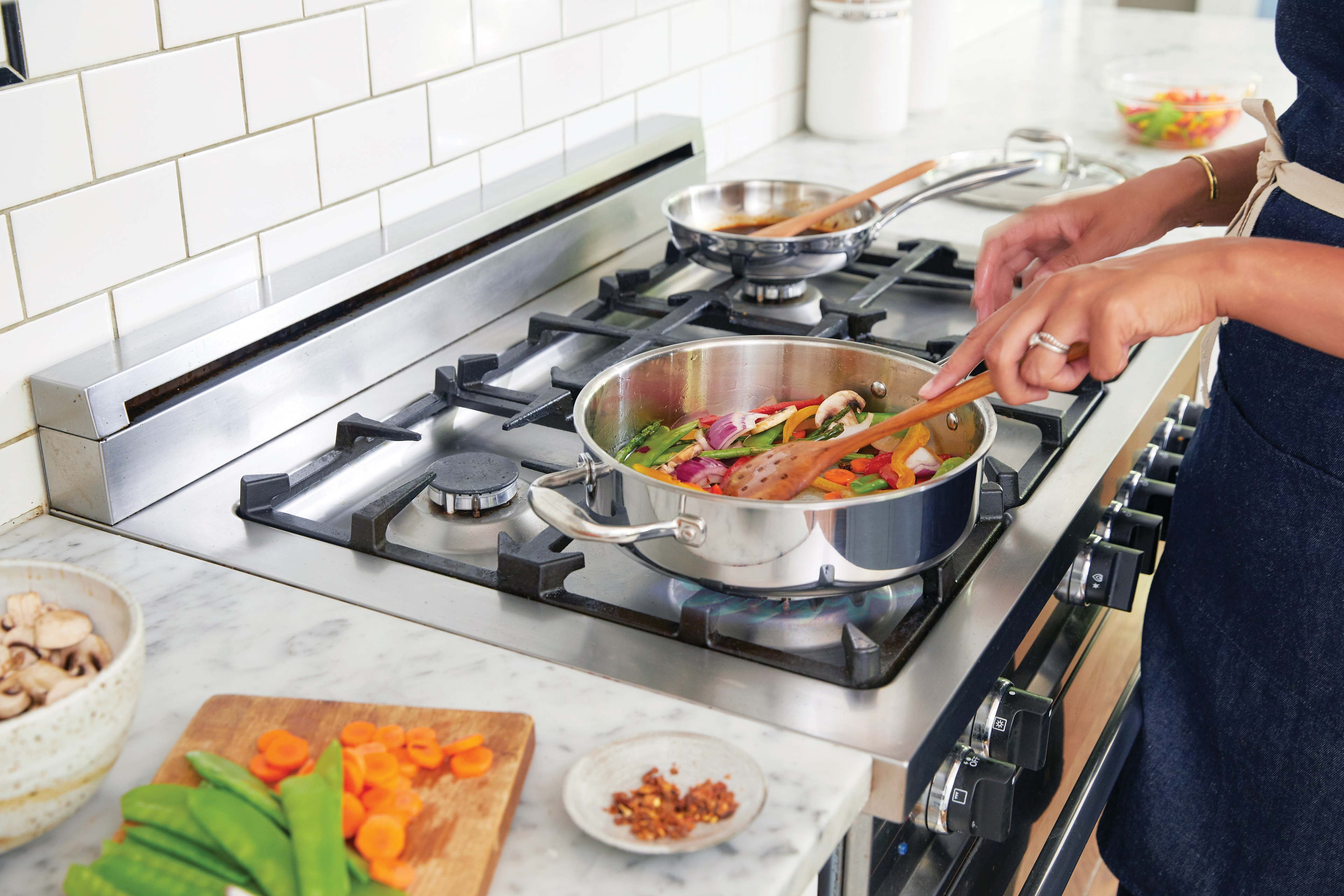
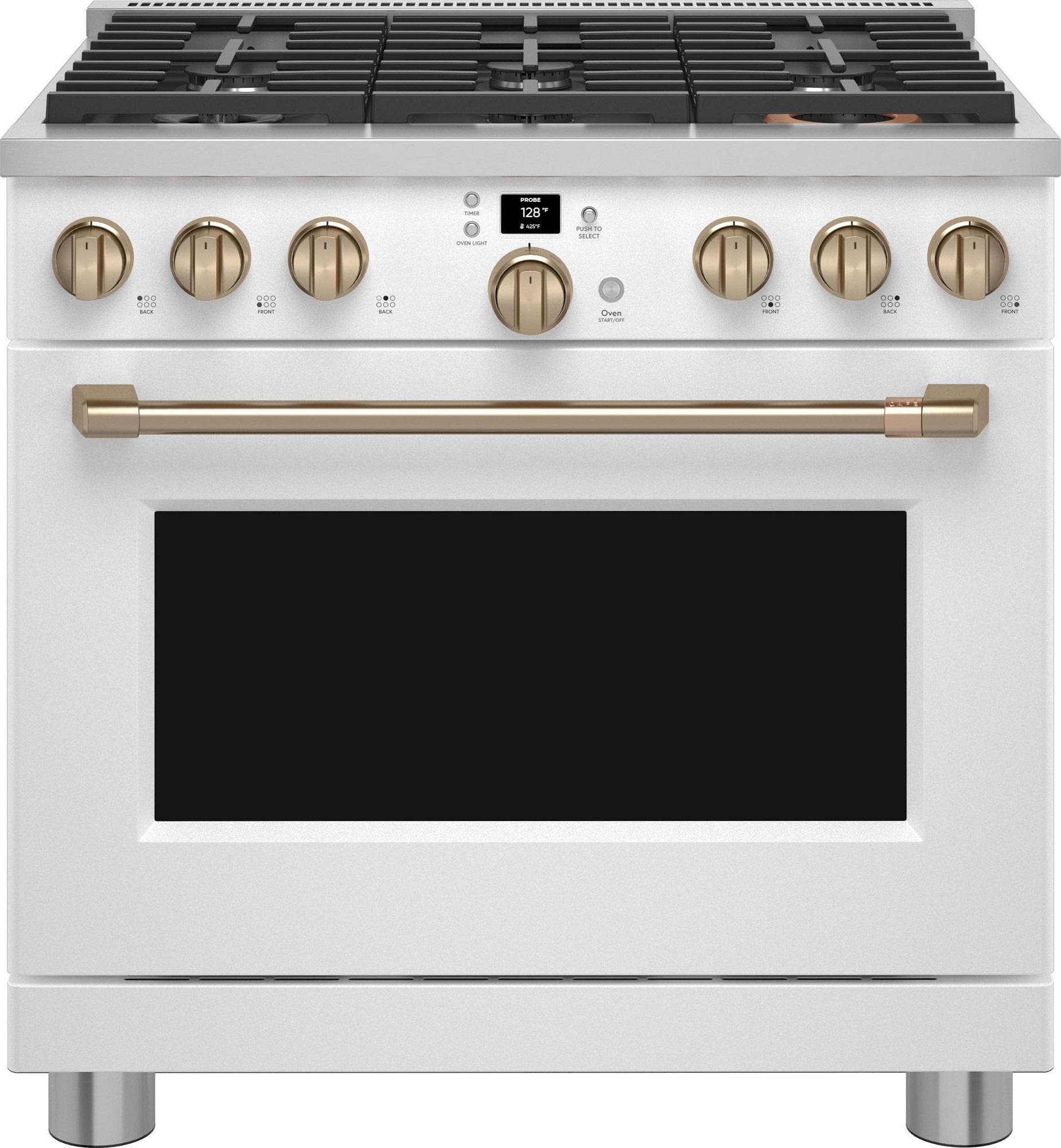
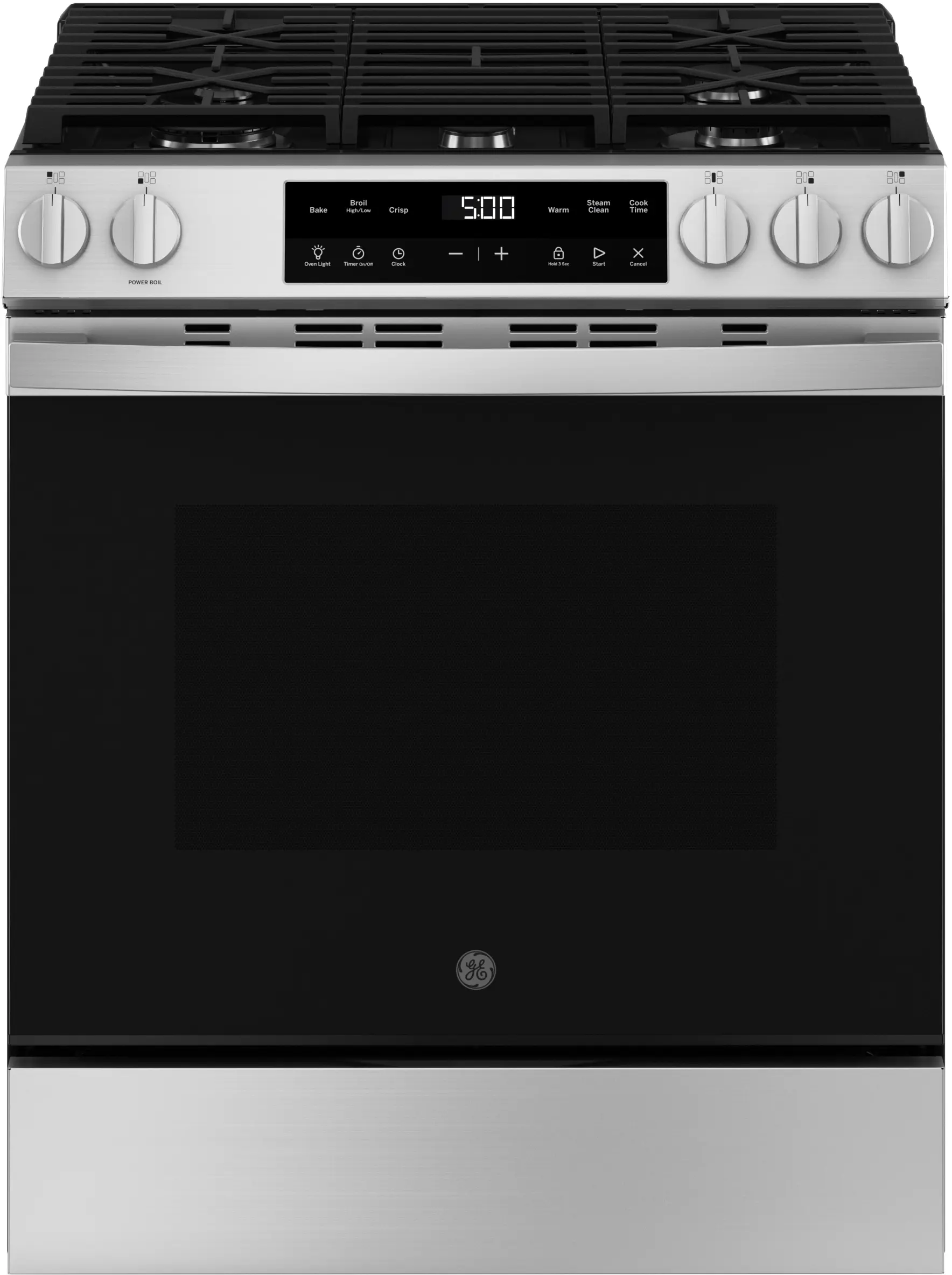
- Gas cooktops use natural gas or propane to generate a flame, which heats your cookware directly. The heat is easily adjustable and provides immediate feedback, making gas a favorite among professional chefs and home cooks alike. Gas cooktops usually have open burners, with flames that provide visible heat, allowing for precise temperature control.
- Electric cooktops use electricity to heat metal coils or a smooth ceramic surface. There are two main types of electric cooktops: traditional coil burners and smooth-top models with radiant heat. Electric cooktops offer an even heat distribution, but the temperature adjustment isn't as immediate as gas, and they can take longer to heat up and cool down.
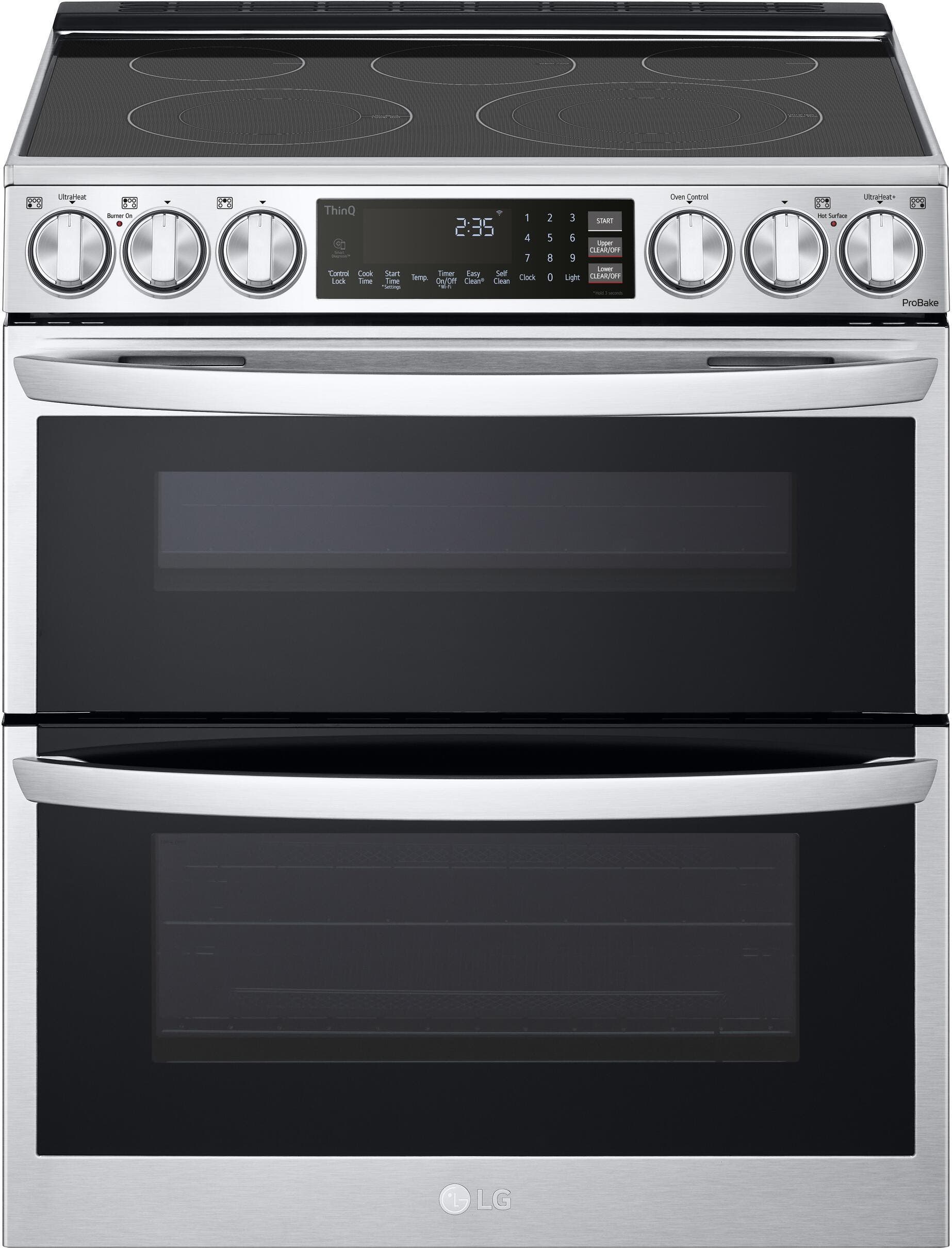
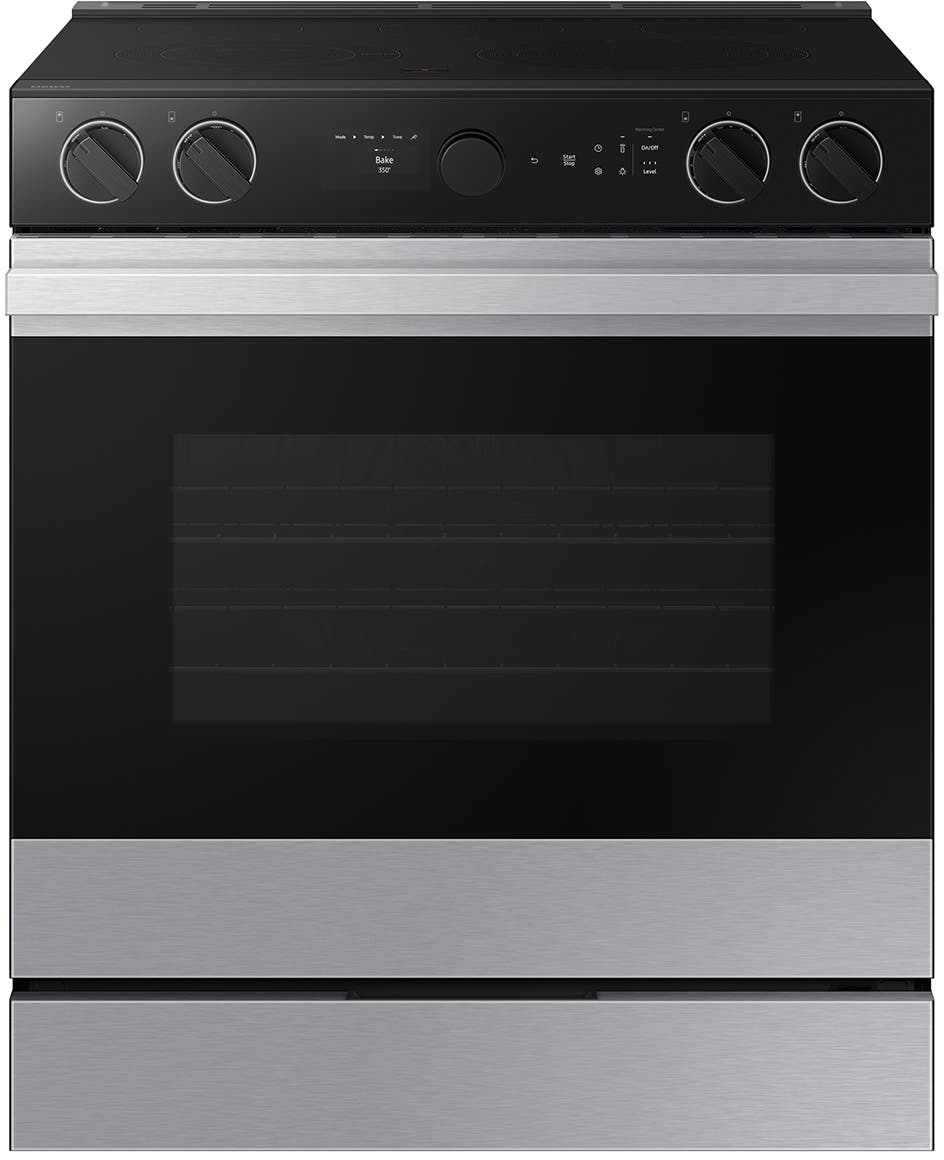
- Induction cooktops use electromagnetic fields to directly heat cookware. Instead of using an open flame or heated coils, induction cooktops rely on magnetic energy to generate heat in the pot or pan itself. Induction cooktops are known for their fast cooking times and precise temperature control, making them increasingly popular in modern kitchens.
What Are the Advantages of Gas Cooking?
Gas cooktops have long been a favorite choice for home cooks and professional chefs alike. They offer several benefits that make them appealing, especially if you prefer more control over your cooking process.
1. Instant Heat and Immediate Control
One of the biggest advantages of gas cooking is the immediate heat it provides. With a gas flame, you can adjust the heat instantly, allowing for precise control over the cooking process. Whether you need a high flame to sear a steak or a low flame to simmer a sauce, gas cooktops give you quick feedback, making them ideal for those who value responsiveness.
2. Versatility and Even Heating
Gas cooktops excel in providing even heat distribution across your pots and pans. The open flame ensures that heat is applied evenly, which can be especially beneficial for certain cooking techniques like stir-frying, browning, and caramelizing.
3. Reliable During Power Outages
Since gas cooktops don’t rely on electricity, they remain operational during power outages, making them a great choice for emergency preparedness or for households in areas prone to blackouts.
4. Preferred by Professional Chefs
Many professional chefs prefer gas cooktops because they offer complete control over temperature adjustments, instant heat, and flexibility in cooking techniques. If you’re passionate about cooking or consider yourself an experienced home chef, gas may be the best option for you.
What Are the Advantages of Electric Cooking?
While gas cooking is often the preferred choice for its immediate heat and control, electric cooktops offer their own set of advantages that make them a solid choice for many homeowners.
1. Even and Consistent Heating
Electric cooktops, especially smooth-top models, provide even and consistent heating across the cooking surface. The heat is distributed evenly, reducing hot spots that can cause food to cook unevenly. If you often cook dishes that require uniform heat distribution, such as sauces or delicate dishes, electric cooktops excel in this area.
2. Easy to Clean
One of the most significant benefits of electric cooktops, especially the smooth-top models, is their ease of cleaning. Since the surface is flat and sealed, food spills can be wiped away easily, without worrying about the mess between coils or burners. This makes electric cooktops a low-maintenance option for busy families or individuals who prioritize a clean kitchen.
3. Reliable and Affordable
Electric cooktops are generally more affordable than their gas or induction counterparts, making them an excellent option for those on a budget. Additionally, electric cooktops are simple to install and require less maintenance compared to gas cooktops, making them ideal for homeowners who want a reliable, no-fuss appliance.
4. Safer for Some Households
Since electric cooktops don’t involve an open flame, they can be safer for homes with young children or those who may be worried about accidental fires. The absence of flames also means there’s no risk of gas leaks, which can be a concern with gas cooktops.
What Are the Advantages of Induction Cooking?
Induction cooking is often hailed as one of the most innovative and efficient cooking methods available today. As a newer technology compared to gas and electric, induction cooktops have rapidly gained popularity for their speed, precision, and energy efficiency.
1. Fast Cooking Times
Induction cooktops heat up much faster than both gas and electric cooktops. The electromagnetic field directly heats the cookware, which means the pan itself becomes the heat source, reducing the time it takes to cook food. This makes induction an excellent choice for those who are always on the go and need quick meal prep.
2. Precise Temperature Control
Induction cooktops offer the most precise and consistent temperature control of any cooking method. The heat is adjusted instantly, and the cooktop cools down quickly once the temperature setting is changed, providing more accurate cooking results. This level of control is especially beneficial when preparing delicate dishes or recipes that require precise temperature adjustments.
3. Energy Efficiency
Induction cooking is incredibly energy-efficient because it directly heats the cookware rather than heating the air around it. This means less heat is wasted, making induction cooktops a more energy-efficient option compared to gas or electric cooktops. As a result, you’ll save on energy bills while cooking faster and more efficiently.
4. Cooler Kitchen Environment
Since induction cooktops don’t produce heat in the surrounding air, they create a cooler cooking environment. This can be a significant advantage in hot climates or in homes without central air conditioning, as it prevents the kitchen from becoming too warm during meal prep.
5. Safety Features
Induction cooktops are equipped with several safety features, such as automatic shut-off and child locks, which make them safer than both gas and electric models. Since the cooktop itself doesn’t get hot, there is a lower risk of burns or accidents. Additionally, induction cooktops only work with ferrous (magnetic) cookware, so the cooktop won’t turn on unless compatible cookware is used.
Which Cooking Method Is the Best?
The best cooking method for you ultimately depends on your preferences, lifestyle, and cooking habits. Here's a quick comparison of the three methods:
- Gas is ideal for those who want instant heat control, versatility, and a professional-grade cooking experience. It’s perfect for those who enjoy cooking with high flames and a responsive, hands-on approach.
- Electric is a great option for those looking for a reliable, easy-to-maintain, and consistent cooking method. It offers even heating and is especially well-suited for low-maintenance households.
- Induction is best for those who want the fastest cooking times, precise temperature control, and energy efficiency. It’s perfect for modern kitchens and cooks who want the latest technology and maximum safety features.
Final Thoughts
Each cooking method—gas, electric, and induction—has its own set of benefits and potential drawbacks. Gas cooktops are ideal for those who prefer a traditional, hands-on cooking experience with instant control over heat. Electric cooktops offer consistent heating and ease of cleaning, while induction cooktops provide fast cooking times, precise temperature control, and excellent energy efficiency. Ultimately, the best choice will depend on your cooking style, budget, and kitchen setup. Whether you choose gas, electric, or induction, each cooking method can offer great results in the kitchen if it aligns with your needs.
FAQs
Q: Can I use any cookware on an induction cooktop?
A: No, induction cooktops only work with cookware made from ferrous (magnetic) materials, such as cast iron and some stainless steel. You can check if your cookware is induction-compatible by using a magnet—if it sticks to the bottom, it will work on an induction cooktop.
Q: Which is more energy-efficient—gas, electric, or induction?
A: Induction cooktops are the most energy-efficient option because they heat the cookware directly, reducing wasted heat. Gas and electric cooktops are less efficient because they heat the surrounding air or coils, resulting in energy loss.
Q: Is gas cooking more expensive than electric or induction?
A: Gas cooktops are generally more affordable upfront than induction cooktops, but they can be more expensive to operate, depending on local natural gas prices. Electric cooktops tend to be less expensive than both gas and induction, though induction cooking offers faster cooking times and energy savings in the long run.
Q: Are induction cooktops safer than gas or electric?
A: Yes, induction cooktops are generally considered safer because they don’t produce an open flame like gas cooktops, and the surface itself doesn’t get hot. Most induction models come with additional safety features, such as automatic shut-off and child locks.
Take Your Appliance
Knowledge from Good to Great
Just Ask Al is your go-to expert platform to connect, share, and learn — together. Join the Community on Facebook to get expert insights, tips, and more.
Collaborate with fellow appliance enthusiasts today!
38,000+ members and growing
Join the community today—everyone is welcome!


Take Your Appliance Knowledge With You On The Go!
Just Ask Al is your go-to expert platform to connect, share, and learn — together. Join the Community on Facebook to get expert insights, tips, and more.
Collaborate with fellow appliance enthusiasts today!