The Comprehensive Guide to Smart Home Appliances: Evolution, Trends & The Future

This article was written by Al the Appliance Expert and reviewed with assistance from AI tools for clarity and accuracy.
Smart home technology has transformed our living spaces by changing how we interact with appliances and manage energy and security. What began as simple automation has evolved into a complex network of connected devices that offer convenience and efficiency. This article explores the evolution of smart home appliances, current trends, and future possibilities.
A Journey Through Innovation: The Evolution of Smart Appliances
The concept of a "smart home" may seem futuristic, but its origins are relatively modest.
- Early Beginnings: Smart home technology originated with basic automation tools, including programmable thermostats and light timers, which offered users some convenience. The major advancement came with Wi-Fi-enabled appliances, which allowed for remote access via smartphones. Appliances like refrigerators and ovens featured digital interfaces with options such as delayed start and energy-saving modes, but they often operated independently due to limited interconnectivity.
- The IoT Era: The Internet of Things (IoT) has revolutionized smart home appliances by enabling seamless device communication and control through central hubs like Amazon Alexa, Google Assistant, and Apple HomeKit, resulting in remarkable advancements.
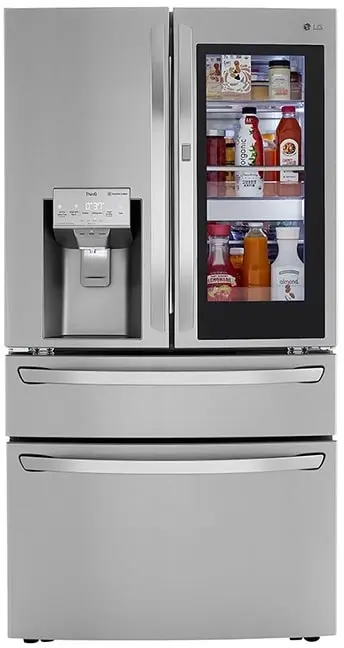
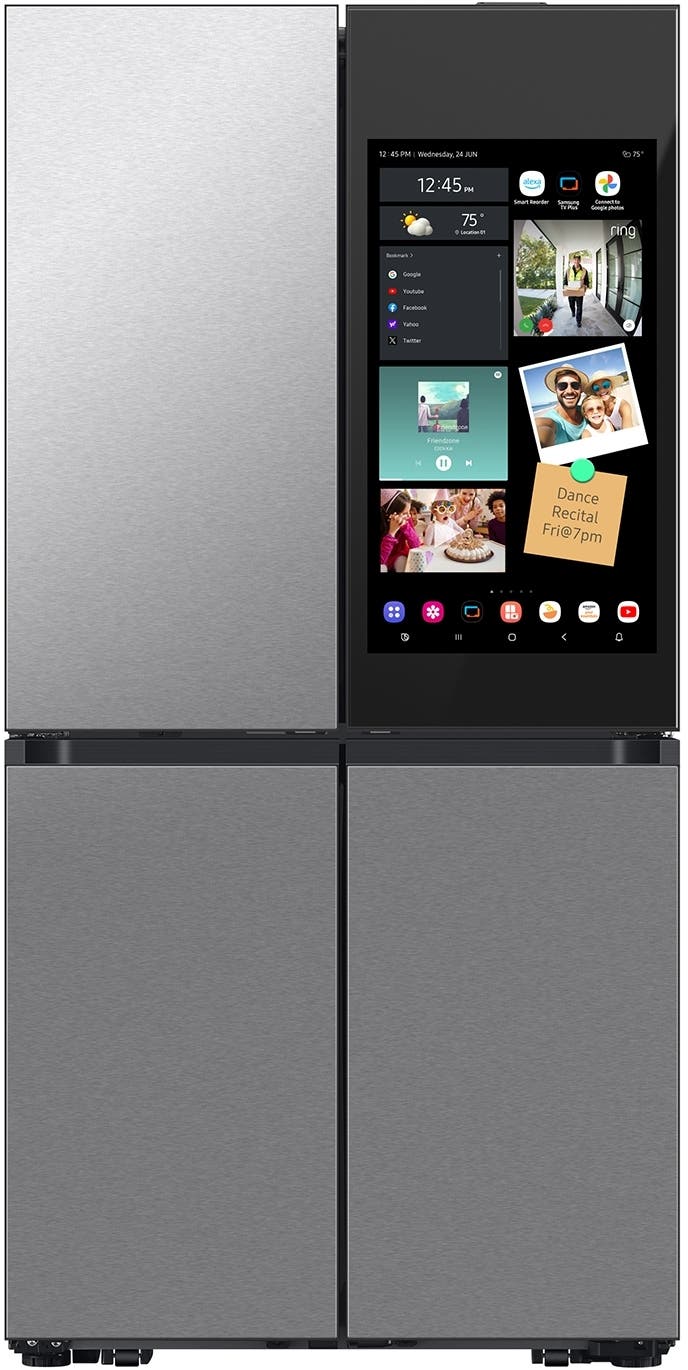
- Smart Refrigerators: LG and Samsung have launched refrigerators equipped with touchscreens and internal cameras, allowing users to check expiration dates, create shopping lists, and stream entertainment.
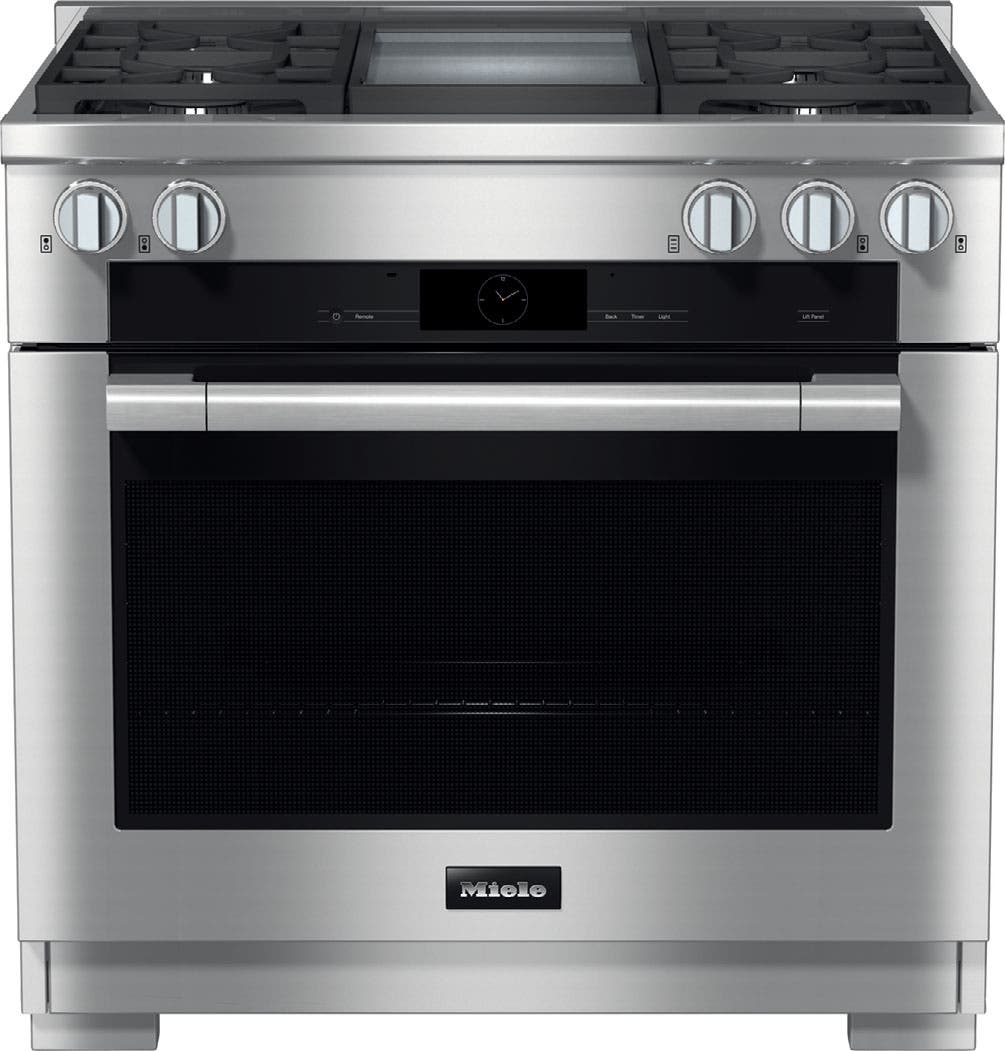
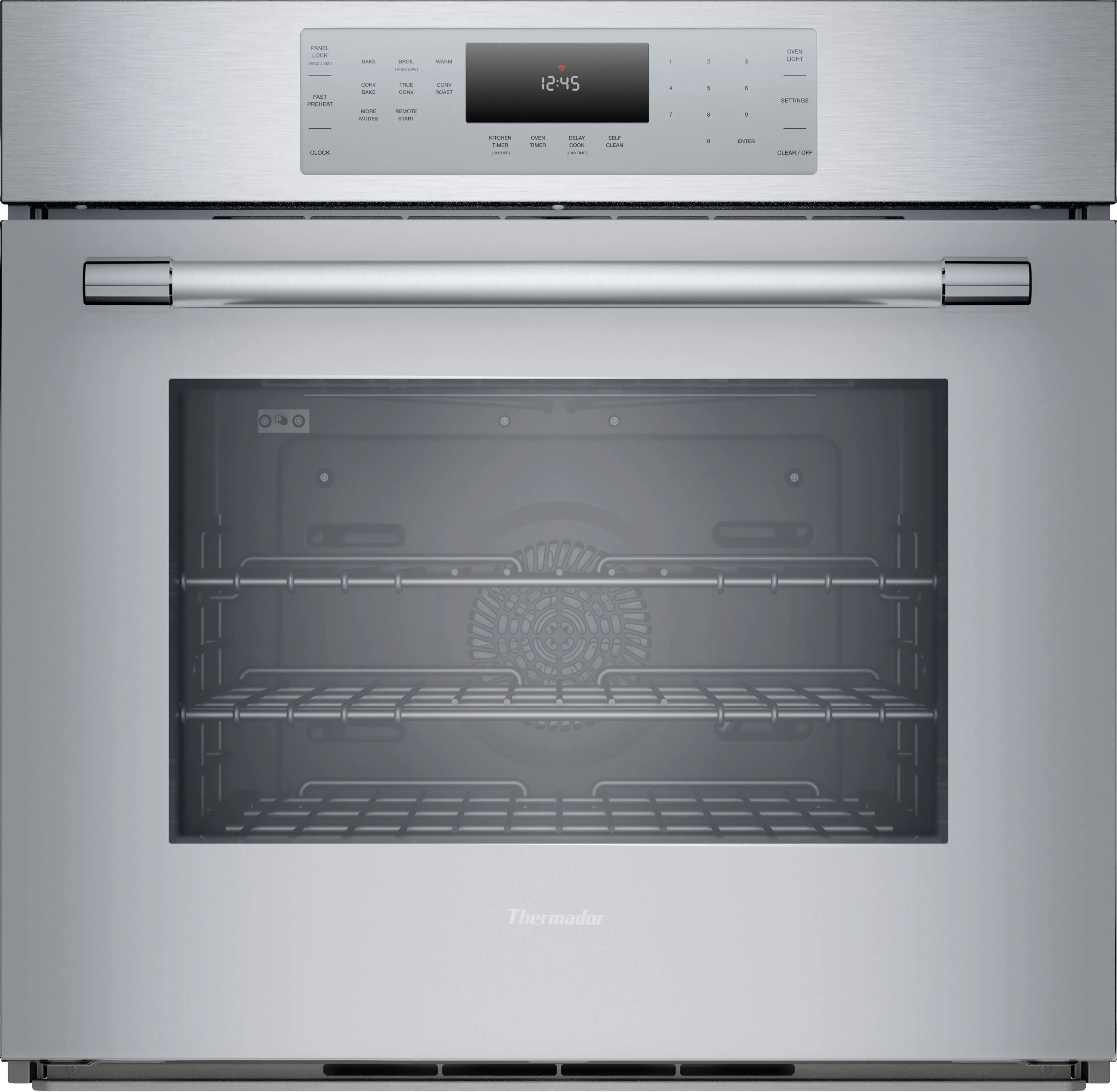
- Wi-Fi-Enabled Ovens and Ranges: Miele and Thermador ovens feature mobile app control, cooking notifications, and access to pre-programmed recipes.
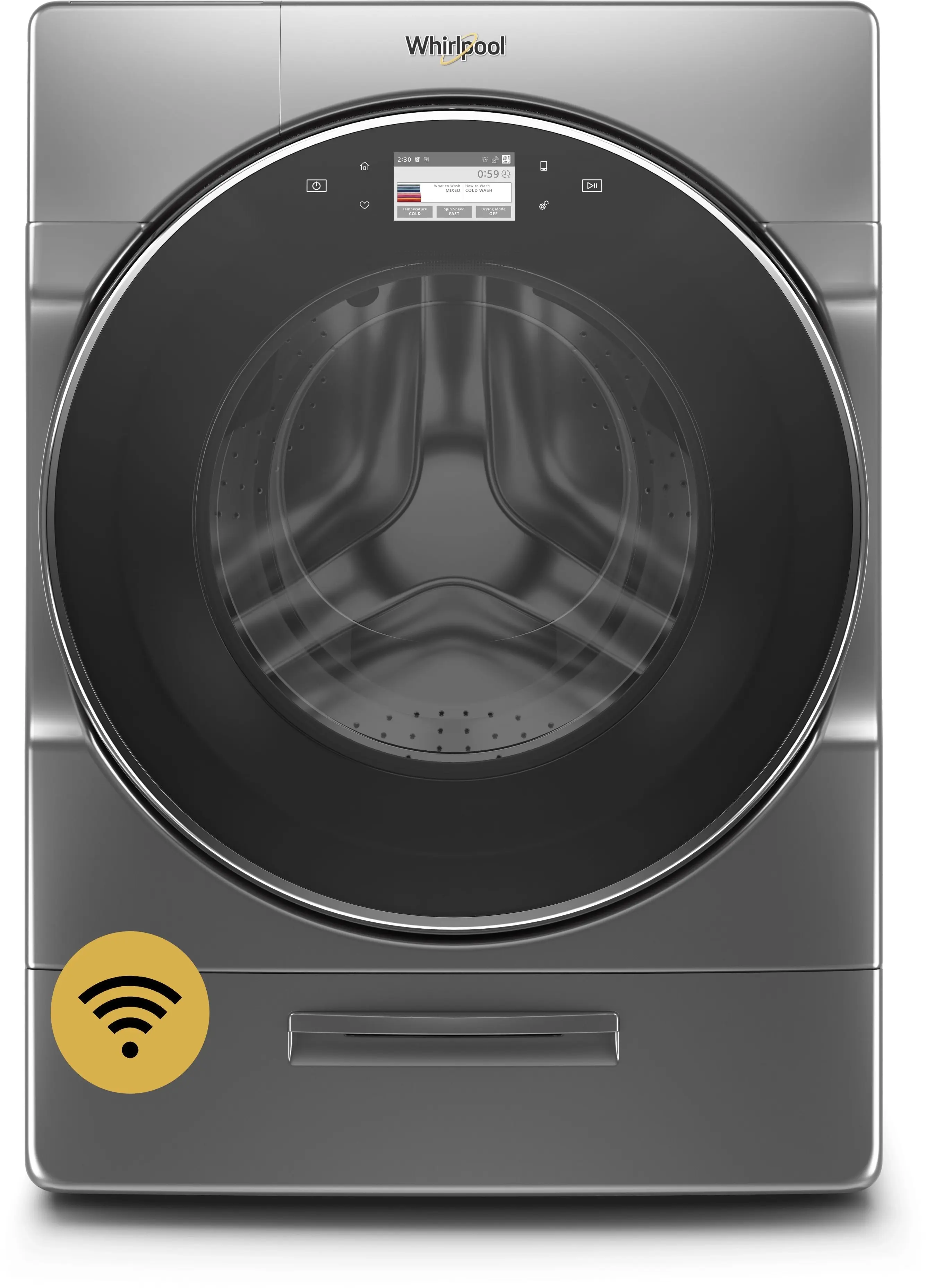
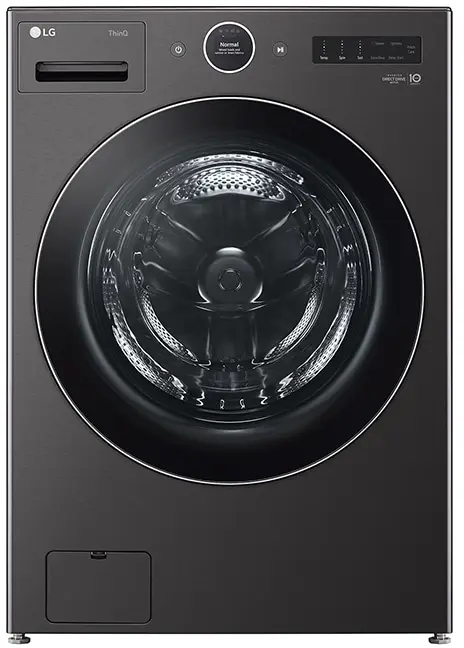
- Connected Laundry Machines: Whirlpool and LG washing machines offer remote start/stop features, automatic detergent dispensers, and compatibility with voice assistants.
- AI and Machine Learning Integration: The next major advancement was the integration of Artificial Intelligence (AI) and Machine Learning (ML), enabling devices to analyze usage patterns, adapt to preferences, and optimize performance.
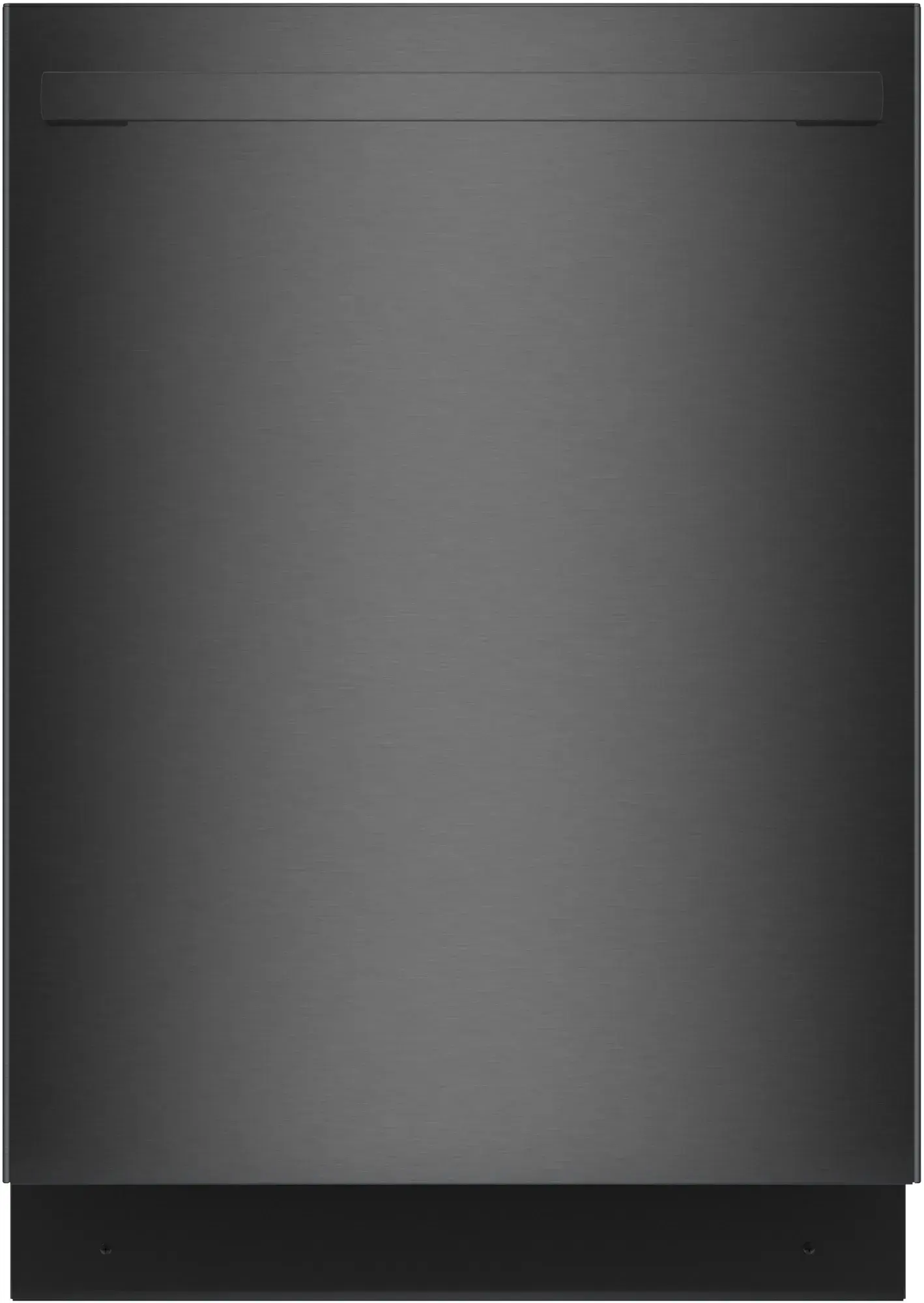
- Smart Dishwashers: Bosch and Miele have developed dishwashers equipped with sensors that adjust water pressure and detergent levels according to the level of dirtiness of the dishes.

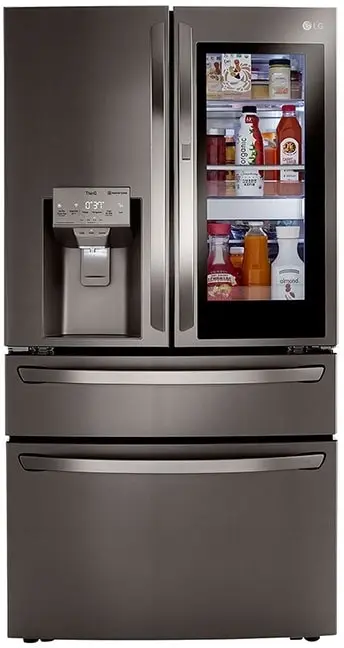
- AI-Powered Refrigerators: LG's Smart InstaView refrigerators now suggest recipes based on available ingredients, track food consumption, and alert users when items are low.
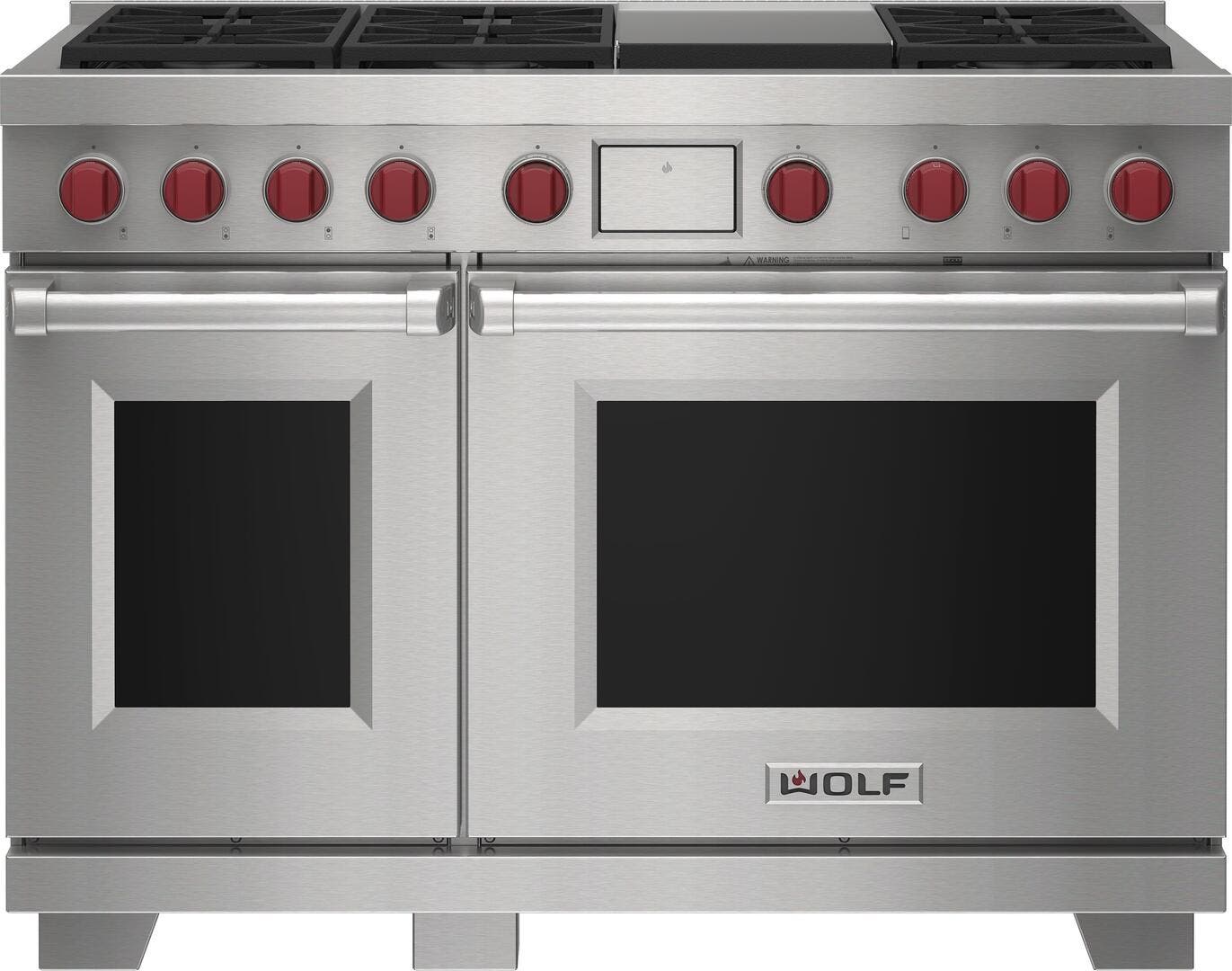
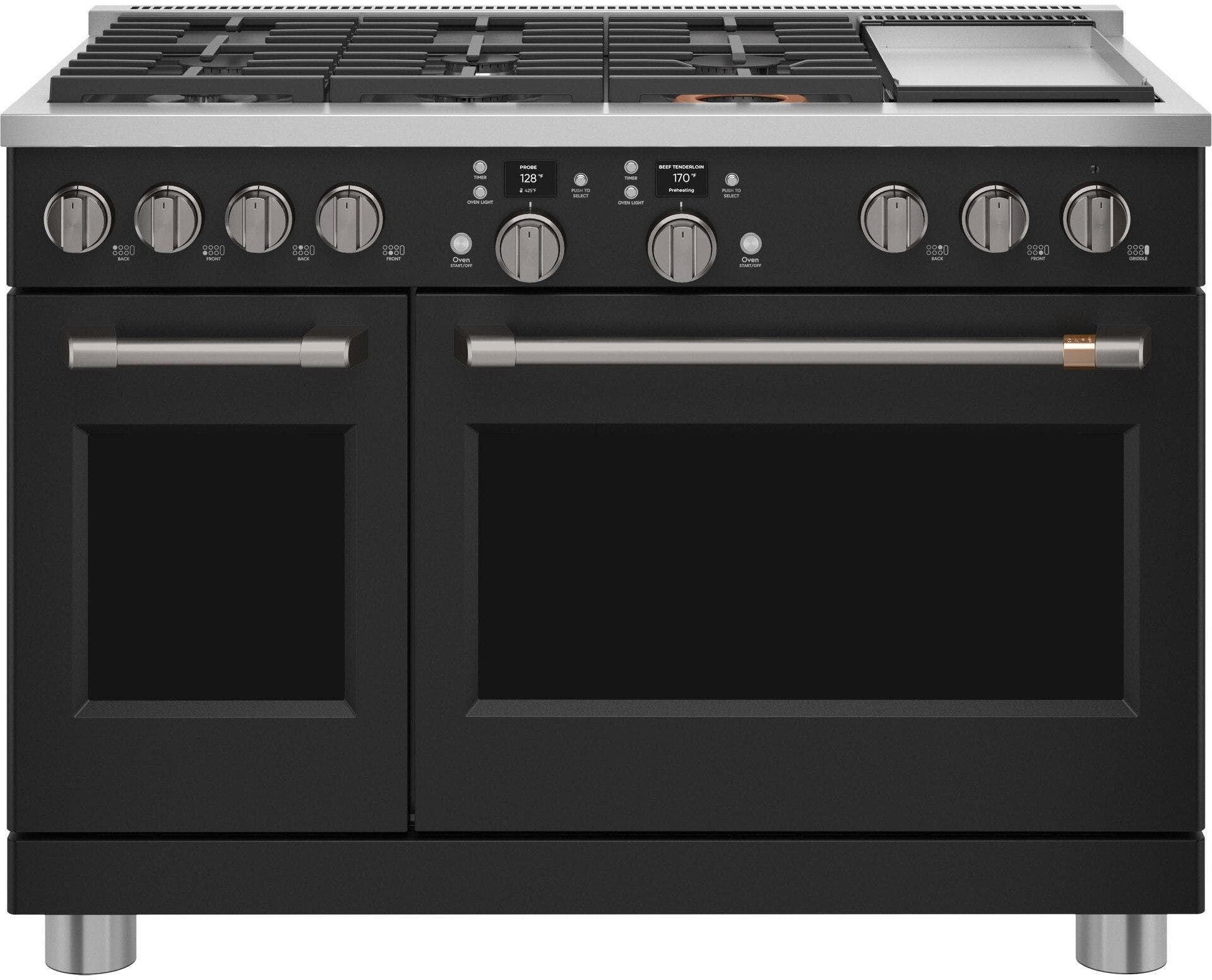
- Adaptive Cooking Technology: Wolf and Café ovens now use AI for real-time cooking monitoring, automatically adjusting temperature and time to avoid undercooking or overcooking.
- Voice Control and Hands-Free Operation: Voice assistants, such as Amazon Alexa, Google Assistant, and Apple Siri, have revolutionized how we interact with technology by enabling control through voice commands. This innovation has led to voice-activated coffee makers, hands-free microwaves, and the ability to operate laundry cycles just by speaking.
Key Trends Shaping the Future of Appliances
As we move towards 2026, key trends are shaping smart appliances by combining advanced technology with consumer demand for greater sophistication, functionality, and sustainability.
- Sustainability and Energy Efficiency: Manufacturers are increasingly focusing on eco-friendly features in response to growing environmental concerns. This prioritization includes the use of natural refrigerants like R-600a, adaptive compressors that adjust cooling capacity based on load, and improved insulation materials. Induction ranges are more energy-efficient than gas or electric coil options. Smart dishwashers and washing machines optimize water and detergent use by detecting load sizes and soil levels, reducing waste and utility bills. Modular appliances are also popular, allowing consumers to customize setups and minimize waste.
- Enhanced Connectivity and Personalization: The integration of AI and ML is creating highly personalized household appliances. Smart ovens learn your cooking preferences, while refrigerators track your ingredients and suggest recipes based on what you have available. Voice assistants are becoming more intuitive, and interconnected appliances, like ovens syncing with range hoods and dishwashers running during off-peak hours, are designed to work together seamlessly.
- Customization Beyond Aesthetics: Personalization now extends beyond color and finish, allowing consumers to customize the size, configuration, and functions of their appliances. Refrigerators have flexible compartments, ranges feature modular cooking elements, and digital interfaces can be tailored to fit individual lifestyles.
- Predictive Maintenance and Self-Healing Technology: Predictive maintenance is an exciting upcoming advancement. Future appliances will monitor their internal systems using IoT technology to alert users about potential malfunctions before costly repairs are needed. Some brands are testing self-repairing technologies that can run diagnostics and automatically order replacement parts, reducing downtime and the need for technician visits.
- Advanced Security and Privacy: As connectivity grows, so does the need for better security. Future smart appliances will utilize advanced encryption, biometric authentication, and AI-driven threat detection to safeguard user data. Users should also regularly update firmware and create strong, unique passwords.
- Smart Home Energy Grids: Homes will become more energy-efficient through the integration of smart energy grids. These systems will optimize electricity consumption by scheduling appliances to operate during non-peak hours. This optimization will not only significantly reduce utility bills but also ease the burden on the power grid.
What's Next: The Horizon of Smart Home Technology
The future of smart home technology will become more intuitive and interconnected, enhancing automation and convenience.
- Fully Automated Kitchens: Picture a kitchen where AI-powered appliances collaborate effortlessly. Smart refrigerators recommend meals based on available ingredients, ovens preheat automatically, and dishwashers adjust settings according to the dishes loaded, creating a seamless cooking experience.
- Robotic Assistants and Smart Sensors: Robotic assistants could potentially handle routine kitchen tasks more efficiently. Meanwhile, advanced smart sensors will continuously learn user preferences to anticipate needs and optimize appliance functions automatically.
- Holistic Wellness Integration: Smart appliances may eventually be able to connect with health monitoring systems, tracking dietary intake, suggesting healthier meal options, and ensuring food freshness to enhance overall well-being.
Final Thoughts
The evolution of smart home appliances has been remarkable, advancing from basic programmable features to AI-driven automation. This technology is enhancing efficiency, security, and connectivity in our homes, leading to a smarter and more sustainable lifestyle.
FAQ: The Comprehensive Guide to Smart Home Appliances
Q: Are smart appliances worth the investment?
A: They offer convenience, energy savings, and advanced features that can lower utility costs over time.
Q: Do smart appliances always need an internet connection?
A: Smart features like remote control and notifications need Wi-Fi, but appliances can still be used manually without an internet connection.
Q: How secure are smart home appliances from hacking?
A: Manufacturers are enhancing security with encryption and firmware updates. Users should create strong, unique passwords and enable multi-factor authentication when possible.
Q: Will AI eventually take over all household tasks?
A: While AI can automate many routine tasks, human oversight and decision-making will remain essential for maintenance, creative choices, and handling unexpected situations.
Q: Which brands are leading in smart home appliance innovation?
A: Brands like Miele, Bosch, Thermador, LG, Samsung, Wolf, and Café are leading the way by integrating AI, IoT, and advanced features into their appliance lines.
Take Your Appliance
Knowledge from Good to Great
Just Ask Al is your go-to expert platform to connect, share, and learn — together. Join the Community on Facebook to get expert insights, tips, and more.
Collaborate with fellow appliance enthusiasts today!
38,000+ members and growing
Join the community today—everyone is welcome!

Take Your Appliance Knowledge With You On The Go!
Just Ask Al is your go-to expert platform to connect, share, and learn — together. Join the Community on Facebook to get expert insights, tips, and more.
Collaborate with fellow appliance enthusiasts today!