How Do Appliance Rebates Work?
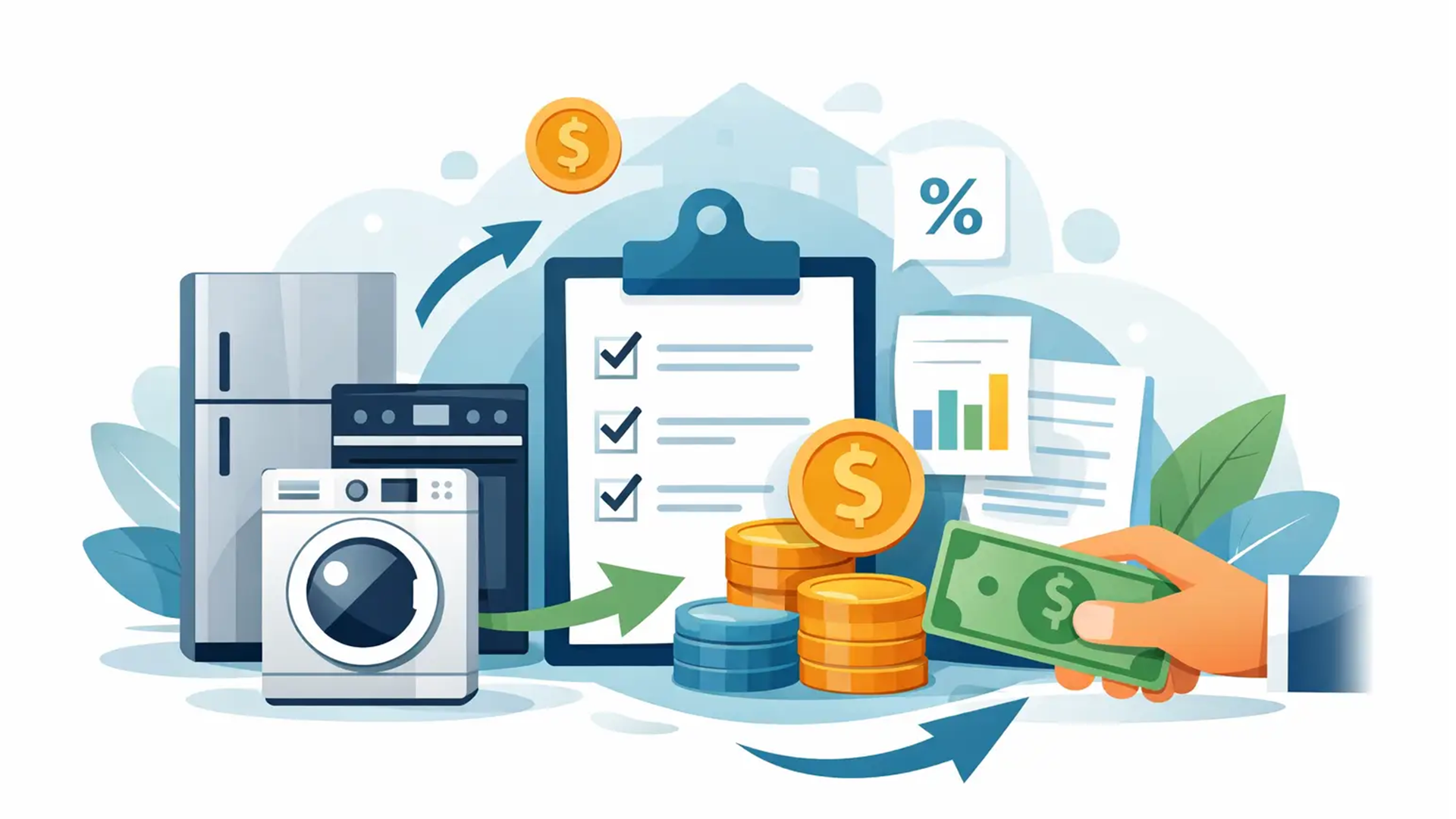
This article was generated using AI and reviewed by a human editor for quality and accuracy.
You find the right refrigerator or laundry pair, see a rebate offer, and suddenly the price on the tag is no longer the full story. That is usually the moment shoppers ask, how do appliance rebates work, and whether the savings are actually worth the extra steps. The short answer is yes, often they are - but only if you understand who is offering the rebate, what qualifies, and how to submit everything correctly.
Appliance rebates are not the same as instant discounts. A sale price lowers your cost at checkout. A rebate usually means you pay the purchase price first, then claim money back after the sale by submitting a form and proof of purchase. That difference matters because timing, paperwork, and eligibility rules can affect whether you receive the rebate at all.
How do appliance rebates work in real purchases?
In most cases, a rebate is sponsored by the appliance manufacturer, a utility company, or sometimes both. The offer is tied to specific models, brands, or package combinations, and it typically runs during a defined promotional period. You buy qualifying products, complete the claim process, and then receive the rebate later as a prepaid card, check, digital payment, or statement credit.
The details vary. A manufacturer may offer a package rebate when you buy a kitchen suite, such as a refrigerator, range, dishwasher, and microwave from the same brand. A utility company may offer a rebate on an energy-efficient washer or refrigerator that meets certain standards. Some promotions stack, while others cannot be combined. That is where careful reading makes a real difference.
For many households, rebates are most attractive on higher-ticket purchases because the return can be substantial. A single appliance might carry a modest rebate, but full kitchen packages and premium laundry sets often have larger promotional incentives. On renovation projects or whole-home replacements, those numbers can become meaningful enough to shape the buying decision.
The three main types of appliance rebates
Manufacturer rebates are the most common. These are designed to drive sales of particular brands, categories, or package combinations. They often appear around holiday promotions, seasonal events, and new product launches. If you are buying several appliances at once, manufacturer rebates are usually where the biggest package savings show up.
Utility rebates work differently. Local gas or electric providers may reward customers for choosing energy-efficient appliances that help reduce long-term energy demand. These rebates usually focus on efficiency standards rather than brand loyalty. That means a shopper may find several qualifying options across different brands, but the exact availability depends on the utility company and service area.
Retailer-promoted rebate support can also play a role, even when the retailer is not funding the rebate directly. A knowledgeable appliance dealer helps identify which products qualify, what can be combined, and what paperwork is needed. That guidance can be the difference between a smooth rebate claim and a missed deadline.
What usually qualifies for a rebate
Qualification rules are where many shoppers get tripped up. The offer may apply only to certain model numbers, finishes, or installation types. A rebate on a dishwasher line, for example, might exclude specialty models or require that the appliance be part of a multi-piece package. A laundry rebate may only apply to matching washer and dryer pairs purchased together.
Dates matter too. Most rebates require the purchase to be made within a specific promotional window, and the submission often has its own deadline shortly after delivery or purchase. Missing that date can void the claim, even if the product itself qualified.
It is also common to see requirements around invoice details, serial numbers, and delivery status. Some rebates are based on order date, while others depend on delivery date. That distinction matters when products are on backorder or part of a larger remodeling schedule.
How the rebate process usually works
After you purchase a qualifying appliance, you will generally need to submit a rebate claim. That may happen online or by mail, depending on the promotion. The typical documents include a sales invoice, model numbers, serial numbers, and sometimes a copy of the delivery receipt or packing slip.
Once submitted, the rebate administrator reviews the claim. If everything matches the terms, the rebate is approved and processed. Payment may take several weeks, and sometimes longer during major promotional periods. That delay does not necessarily mean there is a problem. Rebates are rarely immediate.
If the claim is incomplete, you may be asked for corrections or additional documentation. This is another reason experienced shoppers keep all order paperwork until the rebate is fully paid. Throwing away the packaging too early can be a mistake if the serial number is needed later.
Why rebate amounts can look confusing
Many appliance shoppers notice that rebate offers are not always simple dollar-off promotions. Some are tiered. For example, buying two qualifying appliances may earn one amount, while buying three or four raises the rebate value. Others are category-based, where a package rebate only applies if one product comes from refrigeration, one from cooking, and one from cleanup.
That structure is intentional. Manufacturers want to encourage larger package purchases and brand consistency across the kitchen or laundry room. For shoppers, it can be a good value - but only if the package genuinely fits the home and budget. Chasing a larger rebate is not always the smartest move if it means buying features you do not need.
This is where side-by-side comparison matters. A higher rebate does not automatically mean a lower final cost. One brand may offer a larger promotional rebate but still come out more expensive overall than a competing package with a smaller incentive and lower base pricing.
Common mistakes that delay or cancel rebates
The most frequent problem is simple: the appliance does not actually qualify. A shopper may assume an entire product line is included when only select models are eligible. Another common issue is buying the right appliance in the wrong finish or missing a required companion product.
Paperwork errors are another big one. An invoice with incomplete model information, a missing serial number, or an incorrect purchase date can trigger a rejection. So can submitting after the deadline. Rebate administrators tend to follow the terms closely.
There is also the issue of stacking offers. Some promotions can be combined with other discounts, and some cannot. If a rebate requires full retail documentation or excludes certain special pricing programs, the final eligibility can depend on how the purchase was structured.
How to make appliance rebates work in your favor
The best approach is to treat a rebate as part of the total buying strategy, not as a bonus you figure out later. Before you buy, confirm the exact model numbers, qualifying combinations, submission deadline, payout method, and expected processing time. If the purchase involves multiple appliances, verify whether the rebate depends on all items being delivered together or appearing on the same invoice.
It also helps to be realistic about timing. If you need the lowest out-of-pocket price today, a rebate may not solve that because you still pay upfront and wait for reimbursement. On the other hand, if you are comparing premium packages and planning a kitchen project, rebates can materially improve the value of a larger order.
For homeowners replacing one failed appliance, the rebate may be a nice extra but not the deciding factor. For remodelers, builders, and customers purchasing complete suites, understanding the rebate structure can have a much bigger financial impact.
How do appliance rebates work when buying appliance packages?
Package rebates are often where shoppers see the strongest advertised savings, and they are also where the fine print matters most. The manufacturer may require products from specific categories, all within the same brand family, purchased during the same promotion period, and listed on one invoice. If one item changes after the order is placed, that can affect the rebate tier.
This matters in real kitchens because package decisions are rarely made in isolation. A customer may start with a slide-in range and refrigerator, then add a dishwasher after comparing finishes, dimensions, and installation needs. A retailer with broad inventory and strong category knowledge can help make sure the package still aligns with the rebate rules instead of accidentally breaking eligibility.
At Plesser’s, that kind of purchase support is part of the value. When promotions involve multiple brands, categories, delivery timing, and project coordination, clear guidance helps customers protect the savings they expect.
When a rebate is worth it - and when it is not
A rebate is worth pursuing when the appliance already fits your needs, the documentation is straightforward, and the savings are meaningful enough to justify the extra step. It is especially useful on package purchases, energy-efficient upgrades, and planned remodels where the promotion aligns with products you were already considering.
It may be less compelling when the offer pushes you toward the wrong model, stretches the budget, or creates too much uncertainty around timing. A lower-priced appliance with no rebate can still be the better buy if it meets the space, features, and delivery requirements more cleanly.
The smartest shoppers use rebates as one part of the decision, alongside product performance, availability, service support, and installation planning. A rebate can improve value, but it should not be the only reason to choose an appliance.
If you are comparing major appliances, think of the rebate as a tool rather than a shortcut. Ask the right questions before checkout, keep your paperwork organized, and make sure the product is the right fit even without the promotional headline. That is usually how rebate savings turn into real savings.
Take Your Appliance
Knowledge from Good to Great
Just Ask Al is your go-to expert platform to connect, share, and learn — together. Join the Community on Facebook to get expert insights, tips, and more.
Collaborate with fellow appliance enthusiasts today!
38,000+ members and growing
Join the community today—everyone is welcome!


Take Your Appliance Knowledge With You On The Go!
Just Ask Al is your go-to expert platform to connect, share, and learn — together. Join the Community on Facebook to get expert insights, tips, and more.
Collaborate with fellow appliance enthusiasts today!