How to Choose a Wall Oven
This article was generated using AI and reviewed by a human editor for quality and accuracy.
A wall oven usually gets chosen at the same time as cabinets, countertops, and ventilation, which is exactly why costly mistakes happen. Once the opening is built and the electrical or gas connection is set, changing direction gets harder and more expensive. If you are figuring out how to choose a wall oven, the right approach is to start with fit, then cooking habits, then features, and only after that look at finish and price.
Start with the space, not the feature list
The most common wall oven problem is simple: the unit does not fit the cutout, or it fits technically but creates installation complications. Before comparing brands or cooking modes, confirm the cabinet opening dimensions, the overall appliance dimensions, required clearances, and whether you are replacing an existing oven or planning a new kitchen.
A replacement purchase is usually more restrictive. You may need a model that matches a very specific cutout width, height, and depth. New construction or a full remodel gives you more flexibility, but it still pays to lock in exact measurements early. A wall oven can look standard online and still differ enough to affect trim, ventilation spacing, or cabinet modifications.
Most buyers are choosing between 24-inch, 27-inch, and 30-inch wall ovens. In many American kitchens, 30-inch models offer the broadest selection. That said, the best size is not always the biggest one. In tighter kitchens, smaller ovens can preserve better traffic flow and leave room for storage or adjacent appliances.
How to choose a wall oven size and configuration
Once the space is clear, the next decision is configuration. This is where daily cooking habits matter more than showroom appeal.
Single wall oven
A single wall oven works well for many households. It is the simplest option, usually the most budget-friendly, and often enough for everyday baking, roasting, and reheating. If you cook for a smaller family, do not host often, or already have a capable range or cooktop setup, a single oven may be the practical choice.
Double wall oven
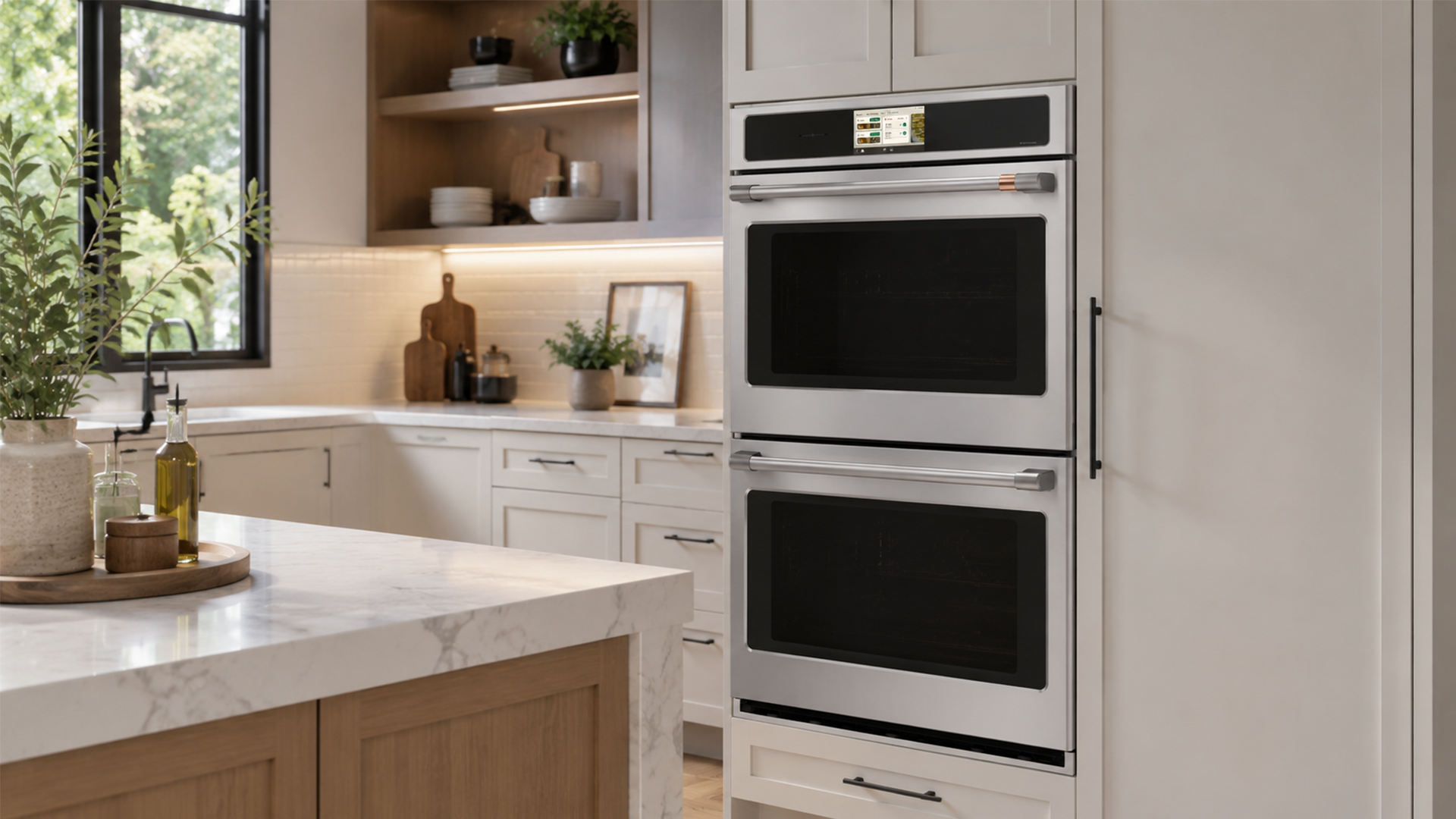
A double wall oven makes sense when you cook multiple dishes at different temperatures, entertain regularly, or want more flexibility during holidays. The trade-off is higher cost, more cabinet space, and sometimes slightly smaller individual oven cavities compared with a large single oven. For serious cooks, that trade can still be worth it.
Combination units
Some shoppers should also consider combination configurations, such as an oven paired with a microwave or speed oven. This can be a smart space-saving move, especially in urban kitchens or remodels where every cabinet matters. The key is being honest about how often you use each appliance and whether combining them improves convenience or just limits future flexibility.
Choose the power source carefully
For most wall ovens, electric is the standard choice, and in many homes it is the only realistic option. Electric wall ovens are widely available, consistent for baking, and generally offer the broadest range of features. If you bake frequently or want advanced cooking modes, you will probably see the most options here.
Gas wall ovens are less common. Some buyers prefer gas for certain cooking results, but availability is more limited, and installation planning can be more involved. If your kitchen is already set up for electric, switching to gas may add complexity that does not deliver enough practical benefit.
For many customers, the decision is less about preference and more about existing utility hookups. In a replacement scenario, staying with the current power setup is often the most efficient path.
Convection matters more than most features
If you are comparing models and wondering which upgrades actually affect performance, convection is near the top of the list. A convection oven uses a fan to circulate hot air, which can improve browning, help food cook more evenly, and reduce cooking time on certain dishes.
Not every household needs the most advanced convection system, but many buyers benefit from having it. If you roast vegetables, bake multiple trays of cookies, or want more predictable results, convection is a feature you are likely to use. Basic thermal ovens can still perform well, especially for straightforward cooking, but convection has become a practical standard rather than a luxury add-on.
Some premium models offer true convection or European convection, which adds a dedicated heating element around the fan. That can improve consistency, though the value depends on how much you cook and how precise you need your results to be.
Pay attention to the controls and cooking modes
This is where wall ovens can look similar on paper but feel very different in daily use. Control style affects convenience more than many buyers expect.
Touch controls can create a sleek look and are common on contemporary models. Knob-based or hybrid controls may feel more intuitive for some users, especially in busy family kitchens. If ease of use matters for multiple household members, simplicity can beat novelty.
Cooking modes are worth reviewing carefully. Bake, broil, convection bake, convection roast, delay start, proofing, self-clean, and temperature probe options all sound appealing, but not every feature justifies a price jump. Focus on features that match your routine. If you never proof dough or use a dehydrating mode, those extras should not drive the purchase.
Smart connectivity is another example of a feature that depends on the buyer. App control, remote monitoring, and alerts can be convenient, especially for tech-forward households or second-home owners. But if you are unlikely to use them, performance and fit should still come first.
Think about installation height and kitchen workflow
A wall oven is partly about ergonomics. That is one of the main reasons homeowners choose one over a traditional range. Installed at the right height, it can make loading heavy cookware easier and reduce bending.
That said, the ideal placement depends on who uses the kitchen and how. A primary oven installed too high can be awkward for shorter users or for safely removing large roasting pans. A lower install may work better in family kitchens, while a design-focused project may prioritize symmetry with surrounding cabinetry. Builders and remodelers should weigh both visual balance and everyday access.
If you are pairing the oven with a separate cooktop, think through the full cooking zone. You want enough landing space nearby, logical traffic flow, and clearance that supports safe movement when the oven door is open.
Finish, handle style, and brand consistency
Wall ovens are highly visible, so the finish matters. Stainless steel remains the most common choice because it works across a wide range of kitchen styles and coordinates easily with refrigeration, dishwashing, and ventilation products. Panel-ready is not typically part of this category, so your oven will usually remain a visual focal point.
Black stainless, matte finishes, and professional-style handles can create a more distinctive look, but coordination is important. If the oven sits next to a microwave, warming drawer, or built-in coffee system, mismatched finishes and handle styles stand out quickly.
For full-kitchen projects, many buyers prefer to stay within the same brand family for a more unified appearance and interface. That can also simplify package planning and, in some cases, rebate opportunities.
Budget for the whole purchase, not just the appliance
One of the most practical parts of how to choose a wall oven is understanding the total cost. The unit itself is only part of the purchase. Delivery, installation, electrical work, cabinet adjustments, haul-away, and extended protection can all affect the final number.
A lower-priced oven is not automatically the better value if it creates more labor or does not meet your cooking needs. On the other hand, a premium model only makes sense if you will benefit from its capacity, performance, or design features. Many shoppers land in the middle - looking for a dependable brand, useful cooking features, and a clean built-in look without moving into luxury pricing unless the kitchen project calls for it.
This is also where working with an experienced appliance retailer can save time. If you are comparing multiple brands, checking availability, and trying to coordinate installation, clear guidance matters. For a renovation timeline, in-stock or quick-ship options can be just as important as feature differences.
A practical way to narrow your options
If the category feels crowded, reduce it to five questions. What size fits your space? Do you need single or double ovens? Is electric the right match for your home? Which cooking features will you actually use? And what total budget makes sense once installation is included?
Those answers usually narrow the field fast. From there, compare brands based on reliability, controls, finish, and lead time. At Plesser’s Appliances, that is often where customers move from browsing to a confident decision - especially when they need help balancing design goals, cooking needs, and delivery timing.
The best wall oven is not the one with the longest feature list. It is the one that fits your kitchen, supports the way you cook, and arrives without creating headaches for the rest of the project.
Take Your Appliance
Knowledge from Good to Great
Just Ask Al is your go-to expert platform to connect, share, and learn — together. Join the Community on Facebook to get expert insights, tips, and more.
Collaborate with fellow appliance enthusiasts today!
38,000+ members and growing
Join the community today—everyone is welcome!


Take Your Appliance Knowledge With You On The Go!
Just Ask Al is your go-to expert platform to connect, share, and learn — together. Join the Community on Facebook to get expert insights, tips, and more.
Collaborate with fellow appliance enthusiasts today!