How to Choose the Right Range Hood for Your Kitchen
This article was generated using AI and reviewed by a human editor for quality and accuracy.
A range hood is an essential kitchen appliance that helps improve air quality by removing smoke, grease, heat, and odors generated while cooking. Choosing the right range hood can enhance both the functionality and aesthetics of your kitchen. With a variety of options available, making the right decision can seem overwhelming. This guide will walk you through the essential factors to consider when selecting the perfect range hood for your kitchen.
1. Determine the Type of Range Hood You Need
Range hoods come in various styles, each suited for different kitchen configurations and cooking habits:
- Under-Cabinet Hoods – Installed beneath a kitchen cabinet directly above the cooking surface. These are ideal for kitchens with limited space, offering effective ventilation without taking up extra room.
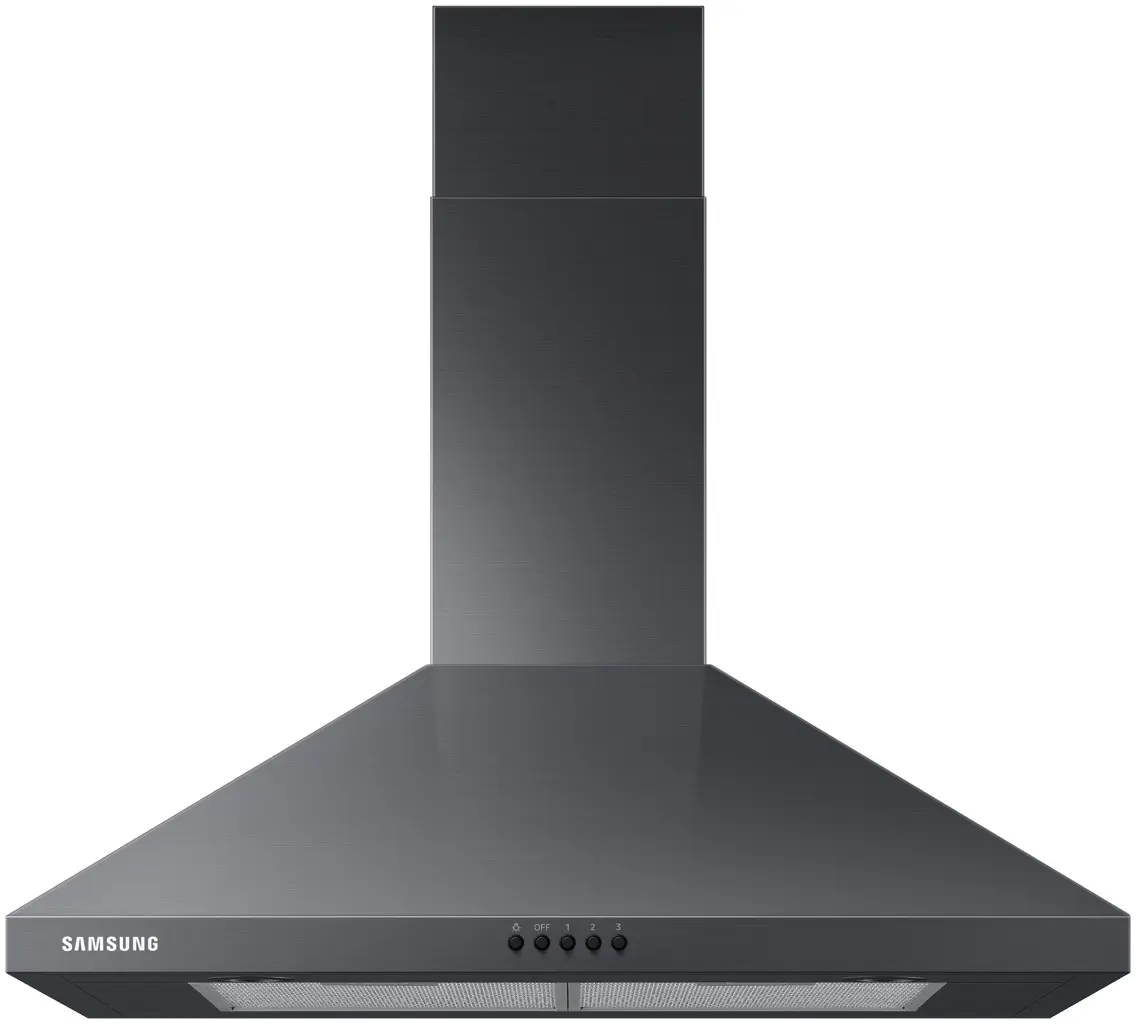
- Wall-Mounted Hoods – Installed on the wall, replacing an overhead cabinet. These are perfect for kitchens with a more open design and provide powerful ventilation.
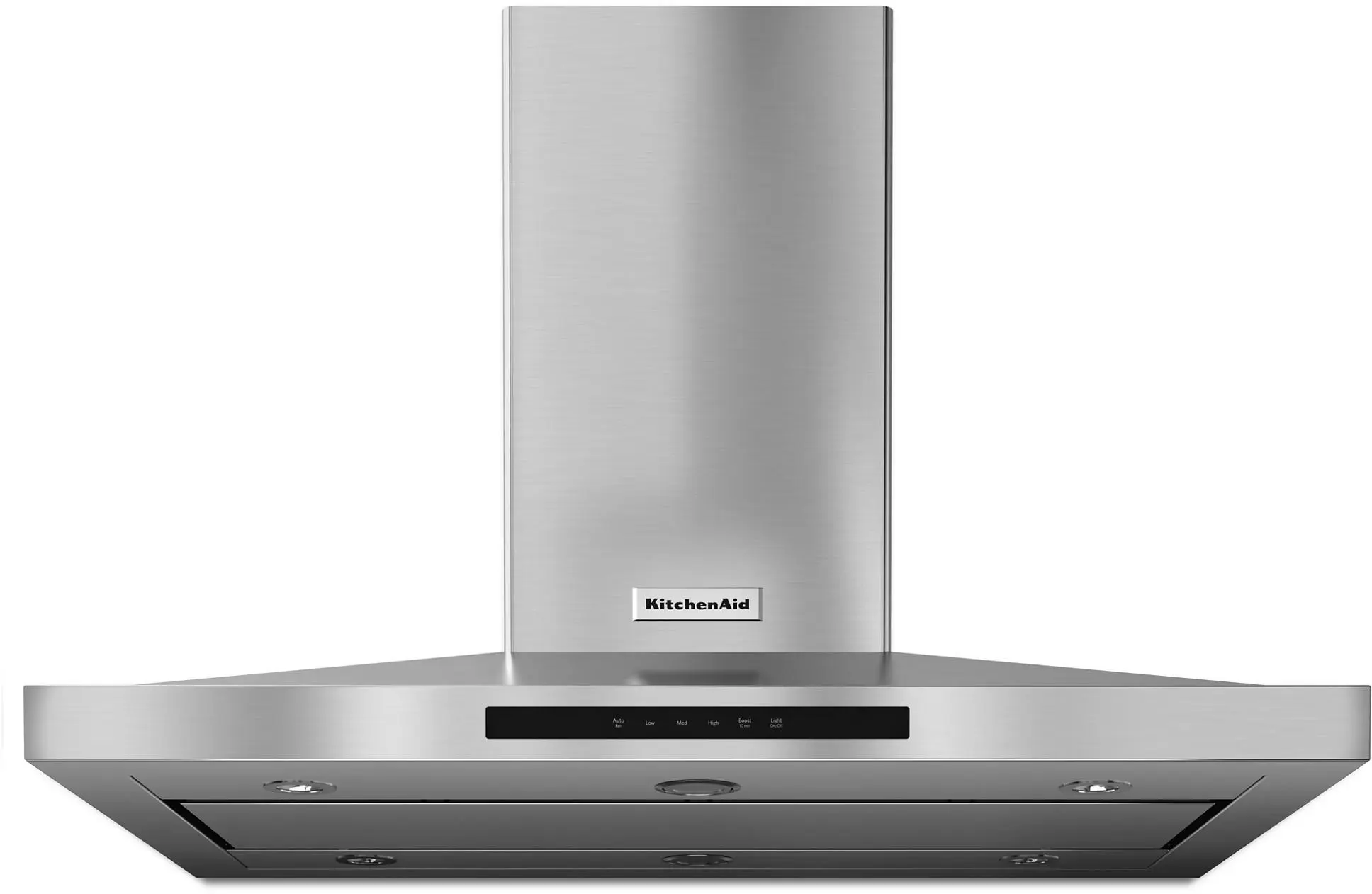
- Island Hoods – Suspended from the ceiling and designed for cooktops on a kitchen island. These hoods require strong ventilation since they do not have walls to help contain smoke and odors.
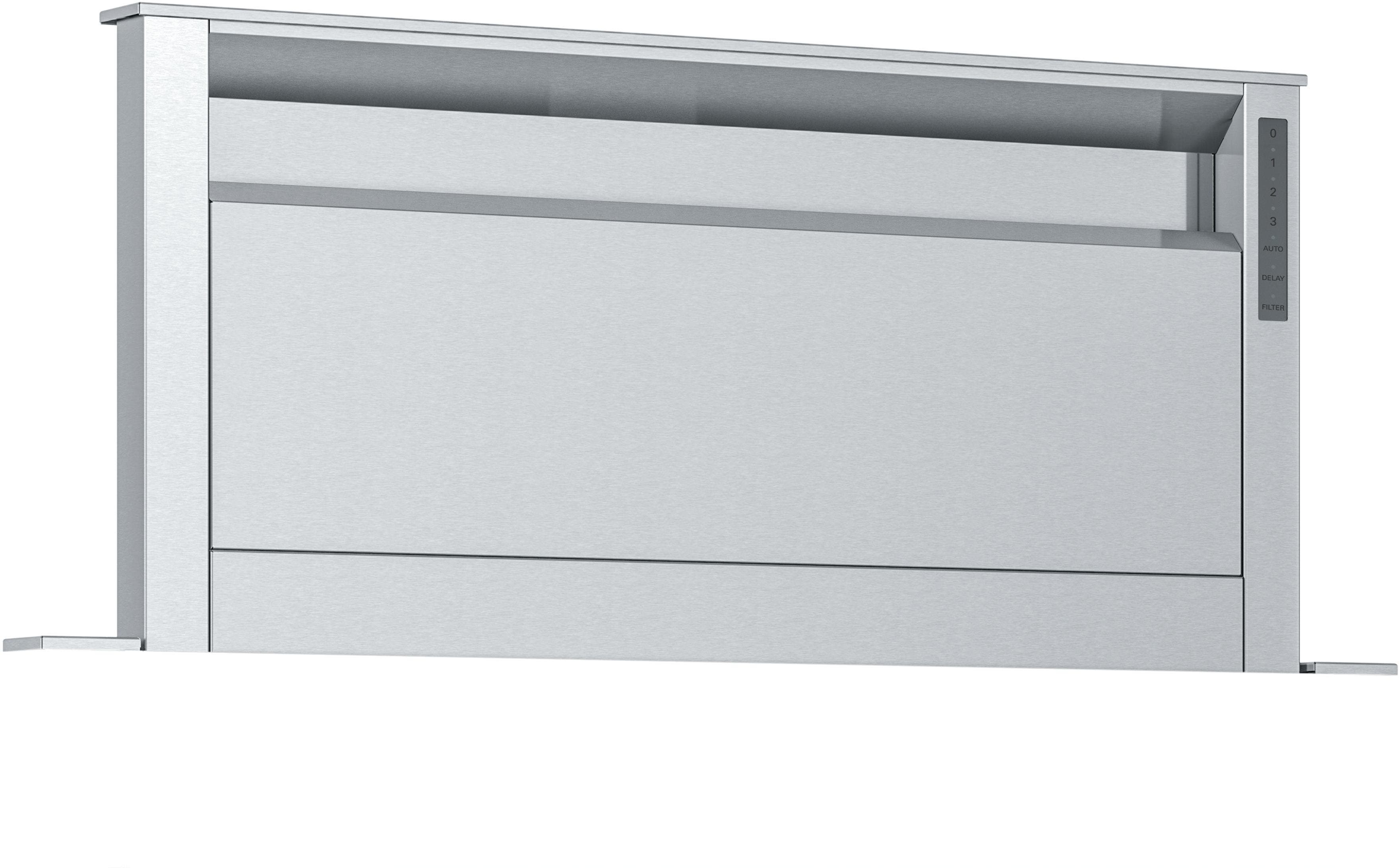
- Downdraft Hoods – Retractable and hidden when not in use, these hoods pull air downward, making them ideal for kitchens where overhead ventilation is not an option. However, they are generally less effective than traditional hoods.
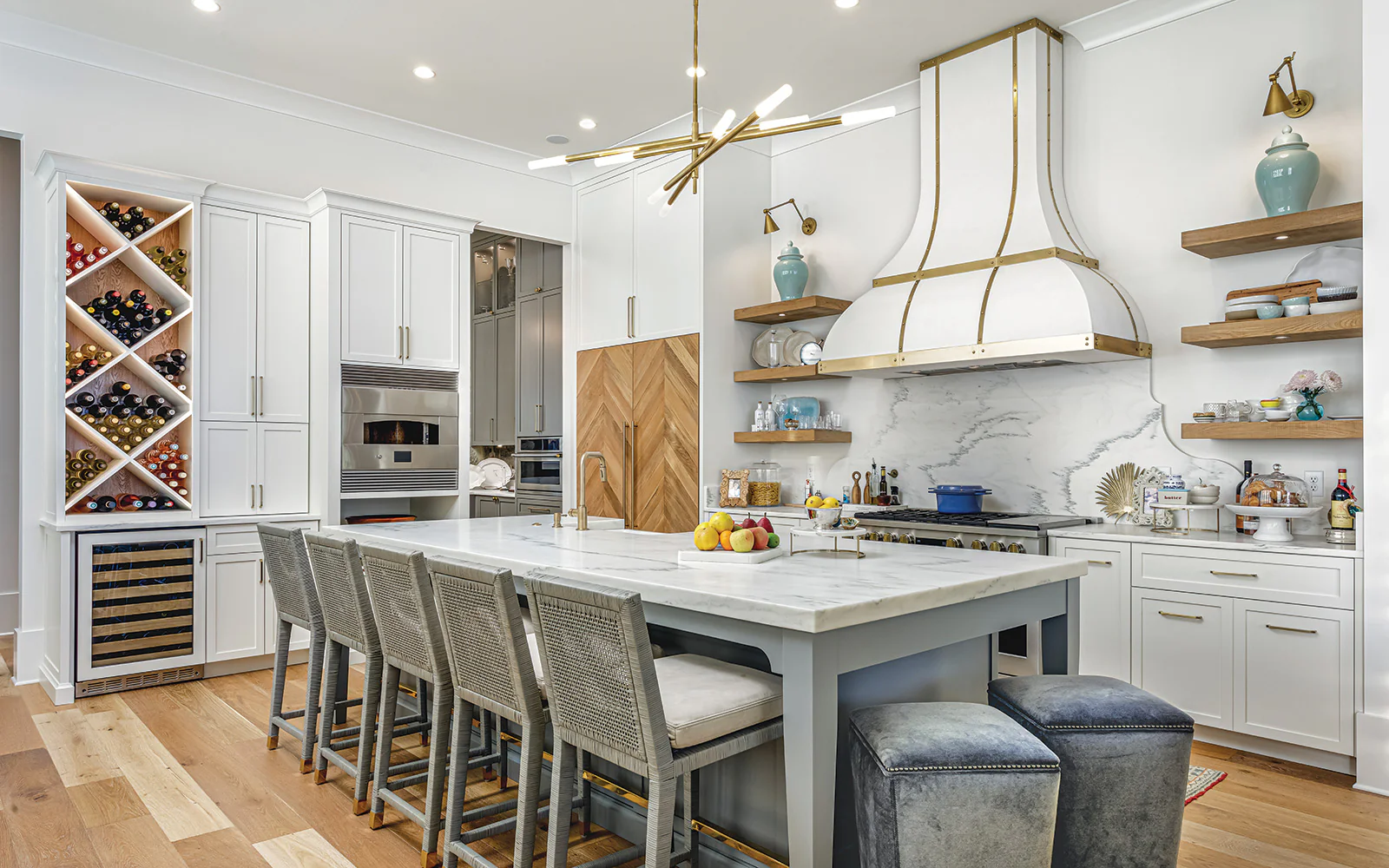
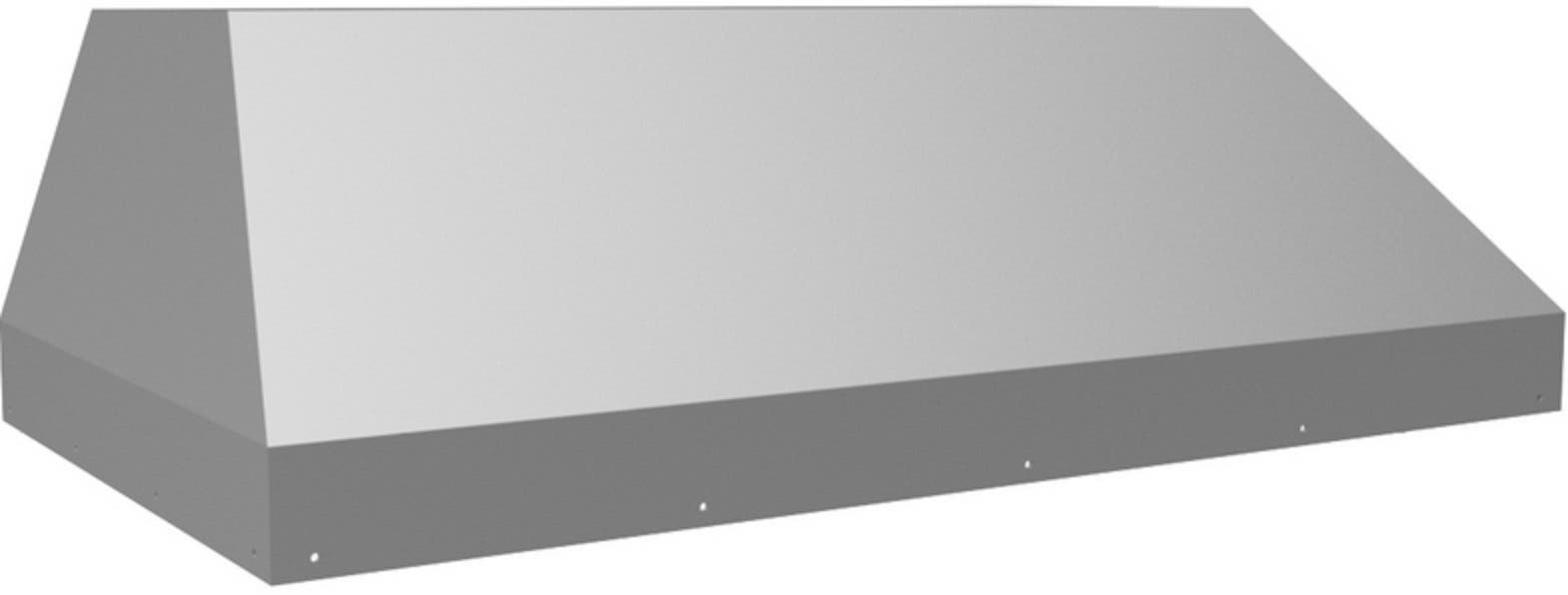
- Insert Hoods (Custom Built-In Hoods) – These are designed to be concealed within custom cabinetry or decorative enclosures, offering flexibility in kitchen design while maintaining effective ventilation.
2. Choose the Right Ventilation Type
There are two primary ventilation methods, and your choice will depend on your kitchen layout and installation options:
- Ducted (Vented) Hoods – These hoods expel air outside through ductwork, providing superior removal of smoke, odors, and heat. They are ideal for high-heat cooking but require a proper venting system, which may increase installation costs.
- Ductless (Recirculating) Hoods – These use filters to clean and recirculate air back into the kitchen. They are easier to install but require regular filter maintenance and may not be as effective as vented models.
3. Consider the Size and Power of the Range Hood
Choosing the correct size and power ensures that your hood effectively removes airborne contaminants:
- Width – The range hood should be at least as wide as your cooktop, preferably 3 inches wider on each side to maximize coverage. For instance, if you have a 30-inch cooktop, opt for a 36-inch range hood.
- CFM (Cubic Feet per Minute) – This measures the airflow strength of the hood. The general guideline is:
- For gas cooktops: At least 100 CFM per 10,000 BTUs of burner output.
- For electric cooktops: At least 300 CFM for standard models.
- For heavy cooking (such as frying or grilling): Consider a hood with 600+ CFM for optimal performance.
4. Consider Noise Levels
Noise level is measured in sones (a unit of loudness). Since range hoods can be noisy, it’s important to choose one with an appropriate sound level:
- 1-3 sones – Quiet operation, ideal for open-concept kitchens.
- 4-6 sones – Moderate noise, standard for most mid-range hoods.
- 7+ sones – Loud operation, common in high-power models but may be disruptive.
Look for a hood with multiple fan speeds so you can adjust the noise level based on your cooking intensity.
5. Filter Type and Maintenance
Filters play a crucial role in capturing grease and impurities. The type of filter affects performance and maintenance:
- Baffle Filters – Made of stainless steel, durable, and efficient at trapping grease. They are often used in professional-grade hoods and can be cleaned in the dishwasher.
- Mesh Filters – Lightweight and effective but require frequent cleaning as they clog faster than baffle filters.
- Charcoal Filters – Used in ductless models to absorb odors but need to be replaced periodically for effective performance.
6. Consider Aesthetic and Additional Features
Modern range hoods come in various designs and include advanced features to enhance functionality and style:
- Material Choices: Stainless steel, glass, copper, and custom paneling to match cabinetry.
- LED or Halogen Lighting: Provides additional visibility while cooking.
- Touch or Smart Controls: Digital control panels or Wi-Fi-enabled models allow for easier operation and remote monitoring.
- Heat Sensors: Automatically adjust fan speed based on the amount of heat and smoke detected.
- Auto Shut-Off: Turns off the fan after a set time to save energy.
- Quiet Mode: Reduces noise while maintaining adequate ventilation.
7. Installation and Mounting Height
Proper installation ensures optimal performance and safety. Key considerations include:
- Mounting Height: Most range hoods should be installed 24-30 inches above an electric cooktop and 30-36 inches above a gas cooktop.
- Ductwork Size: A wider duct (6-8 inches) improves airflow efficiency.
- Professional Installation: Ducted hoods often require professional installation, especially if modifications to existing ductwork are needed.
8. Set a Budget
Range hoods vary in price depending on features, material, and power. Here’s a general price range:
- Budget ($500-$1,500): Basic under-cabinet and wall-mounted models with standard CFM and minimal features.
- Mid-Range ($1,500-$2,500): Includes island hoods and models with higher CFM, stainless steel finishes, and extra features.
- High-End ($2,500+): Professional-grade hoods with high CFM, custom designs, baffle filters, and smart connectivity.
Final Thoughts
Selecting the right range hood involves considering the type, size, power, noise level, ventilation system, filter type, design, and budget. By carefully evaluating these factors, you can choose a model that enhances your kitchen’s air quality, functionality, and aesthetics. Investing in the right range hood ensures better ventilation, a cleaner cooking environment, and a more enjoyable culinary experience.
FAQs
Q: How do I know if I need a ducted or ductless range hood?
If you have the option to install ductwork that vents air outside, a ducted hood is the best choice for superior air quality. If venting is not possible, a ductless hood with charcoal filters is a good alternative, though it requires more maintenance.
Q: How often should I clean or replace my range hood filters?
Baffle and mesh filters should be cleaned every 1-3 months, depending on usage. Charcoal filters in ductless hoods should be replaced every 3-6 months for optimal performance.
Q: What size range hood do I need for my kitchen?
The hood should be at least as wide as your cooktop, ideally 3 inches wider on each side. For example, a 30-inch cooktop should have a 36-inch range hood.
Q: Can I install a range hood myself?
Under-cabinet and ductless models can be DIY-installed with basic tools, but ducted and island hoods typically require professional installation to ensure proper ventilation and safety compliance.
Q: Are smart range hoods worth the investment?
Smart hoods with Wi-Fi connectivity, automatic sensors, and voice control can provide convenience and energy savings, making them a good investment for tech-savvy homeowners.
Take Your Appliance
Knowledge from Good to Great
Just Ask Al is your go-to expert platform to connect, share, and learn — together. Join the Community on Facebook to get expert insights, tips, and more.
Collaborate with fellow appliance enthusiasts today!
38,000+ members and growing
Join the community today—everyone is welcome!


Take Your Appliance Knowledge With You On The Go!
Just Ask Al is your go-to expert platform to connect, share, and learn — together. Join the Community on Facebook to get expert insights, tips, and more.
Collaborate with fellow appliance enthusiasts today!