How to Organize Your Refrigerator for Maximum Freshness
This article was generated using AI and reviewed by a human editor for quality and accuracy.
How to Organize Your Refrigerator for Maximum Freshness
There's nothing quite like the satisfaction of a freshly stocked refrigerator.
But how often does that initial organized bliss devolve into a jumbled mess of forgotten produce and mysterious containers? At Plesser's, we understand that your appliances are a significant investment, and maximizing the value of your refrigerator means more than just keeping things cold. Proper organization is key to extending the life of your food, reducing waste, and making meal prep a breeze.
Think of your refrigerator as having different climate zones, each uniquely suited for specific types of food. Understanding these zones and storing items accordingly can significantly impact their freshness and longevity.
Let's dive into how to master your fridge for optimal preservation of produce, dairy, meats, and more.
The Top Shelf: Ready-to-Eat & Leftovers
The top shelf of your refrigerator is typically the warmest, making it ideal for foods that are already cooked or don't require intense chilling. This space is prime real estate for:
- Leftovers: Store cooked foods in airtight, transparent containers. Labeling them with the prepared date is a smart habit that helps you keep track of what to consume first. Aim to finish leftovers within 3 to 4 days.
- Ready-to-Eat Foods: This includes deli meats, cheeses, yogurt, and beverages. Keeping these items readily accessible makes healthy snacking and quick meals a cinch.
- Herbs (soft): Delicate herbs like cilantro, parsley, and basil benefit from being treated like a bouquet. Trim the stems, place them in a glass with an inch or two of water, and loosely cover them with a plastic bag before placing them on the top shelf. This method can dramatically extend their freshness.
The Middle Shelves: Dairy, Eggs, & Opened Jars
These shelves offer a consistent, moderate temperature, making them perfect for your everyday staples:
- Dairy Products: Milk, cream, sour cream, and cottage cheese thrive in this environment. Keep them in their original containers to maintain quality.
- Eggs: While many refrigerators have egg compartments on the door, the main body of the fridge offers a more stable, cooler temperature. Store eggs in their original carton on a middle shelf to protect them from absorbing odors and to maintain their freshness.
- Opened Jars & Condiments: Once opened, items like jam, pickles, salad dressings, and sauces should be storedhere. Again, clear containers help you see what you have at a glance.
The Bottom Shelf: Raw Meats & Seafood
This space is arguably the most crucial zone for food safety. The bottom shelf is the coldest part of your refrigerator and is essential for preventing cross-contamination:
- Raw Meats, Poultry, and Seafood: Always store these items on the lowest shelf in sealed containers or on plates to catch any drips. This practice prevents juices from contaminating other foods in your fridge. Separate different types of raw meats to minimize risk further.
- Defrosting Meats: If you're defrosting meat from the freezer, do so on the bottom shelf in a container to catch any moisture. Never defrost on the countertop.
The Crisper Drawers: Your Produce Powerhouses
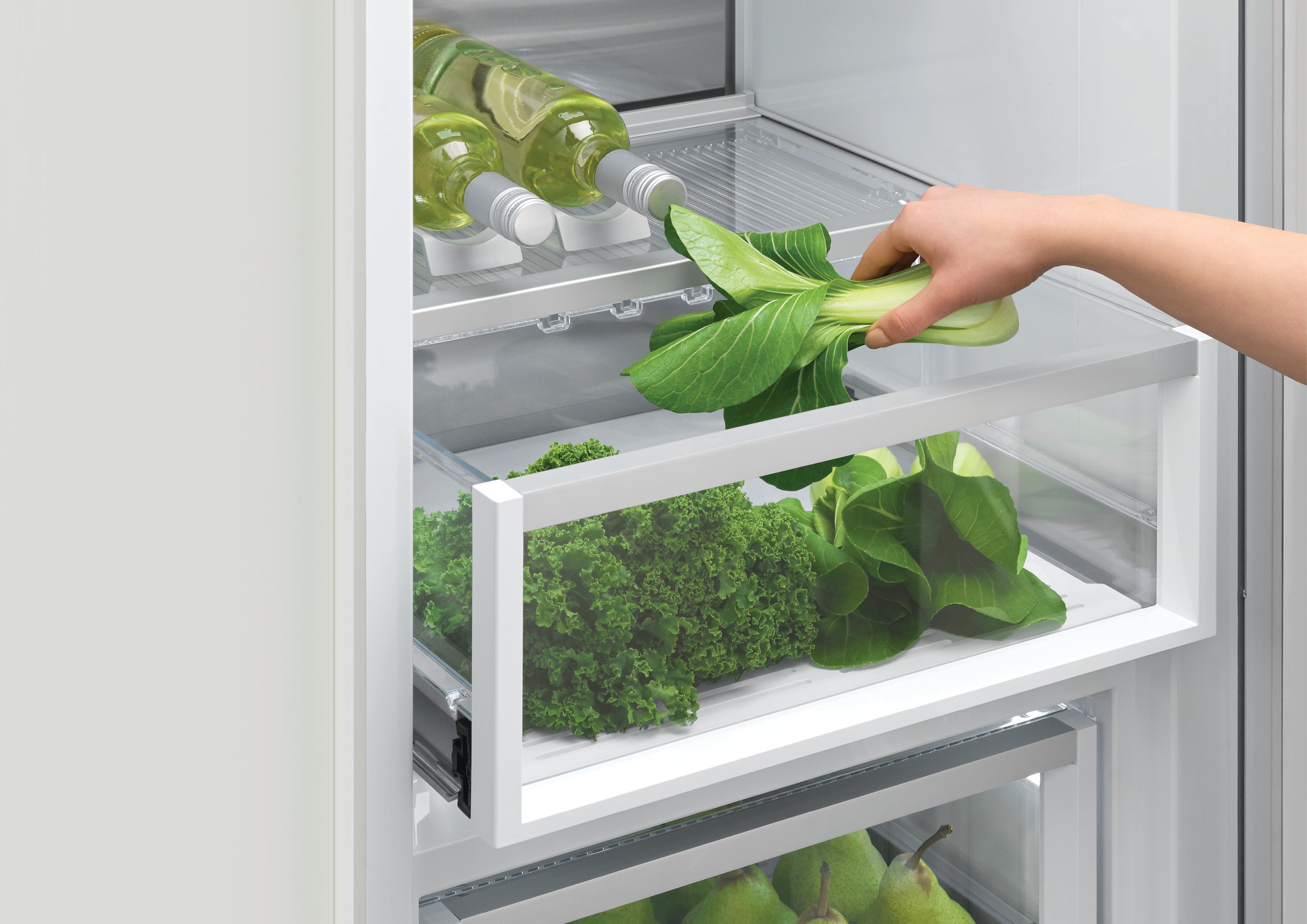
Your crisper drawers are designed to maintain specific humidity levels, making them ideal for keeping fruits and vegetables fresh for longer. Most refrigerators have two drawers, one for storing items with high humidity and one for storing items with low humidity.
- High Humidity Drawer: This drawer is for vegetables that wilt easily and prefer moisture. Consider leafy greens (such as spinach, lettuce, and kale), carrots, broccoli, and peppers. Don't wash produce before storing it in the crisper, as excess moisture can accelerate spoilage. Wash right before you use it.
- Low Humidity Drawer: This drawer is designed for fruits and vegetables that release ethylene gas, which can cause other produce to ripen and spoil more quickly. Store apples, pears, and ripe avocados here. Separating them from ethylene-sensitive produce is key.
The Refrigerator Door: The Warmest Spot
The door is the warmest part of your refrigerator because of its frequent opening and closing. It's not suitable for highly perishable items:
- Condiments & Sauces (unopened): Ketchup, mustard, soy sauce, and other shelf-stable condiments are safe to store here until opened.
- Beverages: Juices, soda, and water bottles are ideally suited for the door.
- Butter & Soft Cheeses: While you can store butter here, keep hard cheeses on a middle shelf for better longevity.
General Tips for Maximum Freshness:
- Don't Overpack: Overstuffing your fridge restricts airflow, making it less efficient and leading to warm spots.
- Use Airtight Containers: This prevents food from drying out, absorbing odors, and extends shelf life.
- Regularly Clean Your Fridge: Wipe down shelves and drawers at least once a week. This practice prevents bacteria build-up and keeps your food safe.
- First In, First Out (FIFO): Place newly purchased items behind older ones to ensure you're using food before it expires.
- Temperature Matters: Keep your refrigerator between 35°F and 38°F (1.7 °C and 3.3°C) for optimal food safety and freshness.
By taking a little time to organize your refrigerator thoughtfully, you'll notice a significant reduction in food waste, more efficient meal planning, and the peace of mind that comes with knowing your food is stored safely and effectively.
Invest in good storage containers, embrace the zone system, and enjoy the benefits of a perfectly organized fridge – a true partner in your culinary adventures!
Take Your Appliance
Knowledge from Good to Great
Just Ask Al is your go-to expert platform to connect, share, and learn — together. Join the Community on Facebook to get expert insights, tips, and more.
Collaborate with fellow appliance enthusiasts today!
38,000+ members and growing
Join the community today—everyone is welcome!


Take Your Appliance Knowledge With You On The Go!
Just Ask Al is your go-to expert platform to connect, share, and learn — together. Join the Community on Facebook to get expert insights, tips, and more.
Collaborate with fellow appliance enthusiasts today!