How to Prevent and Remove Hard Water Stains on Appliances
This article was generated using AI and reviewed by a human editor for quality and accuracy.
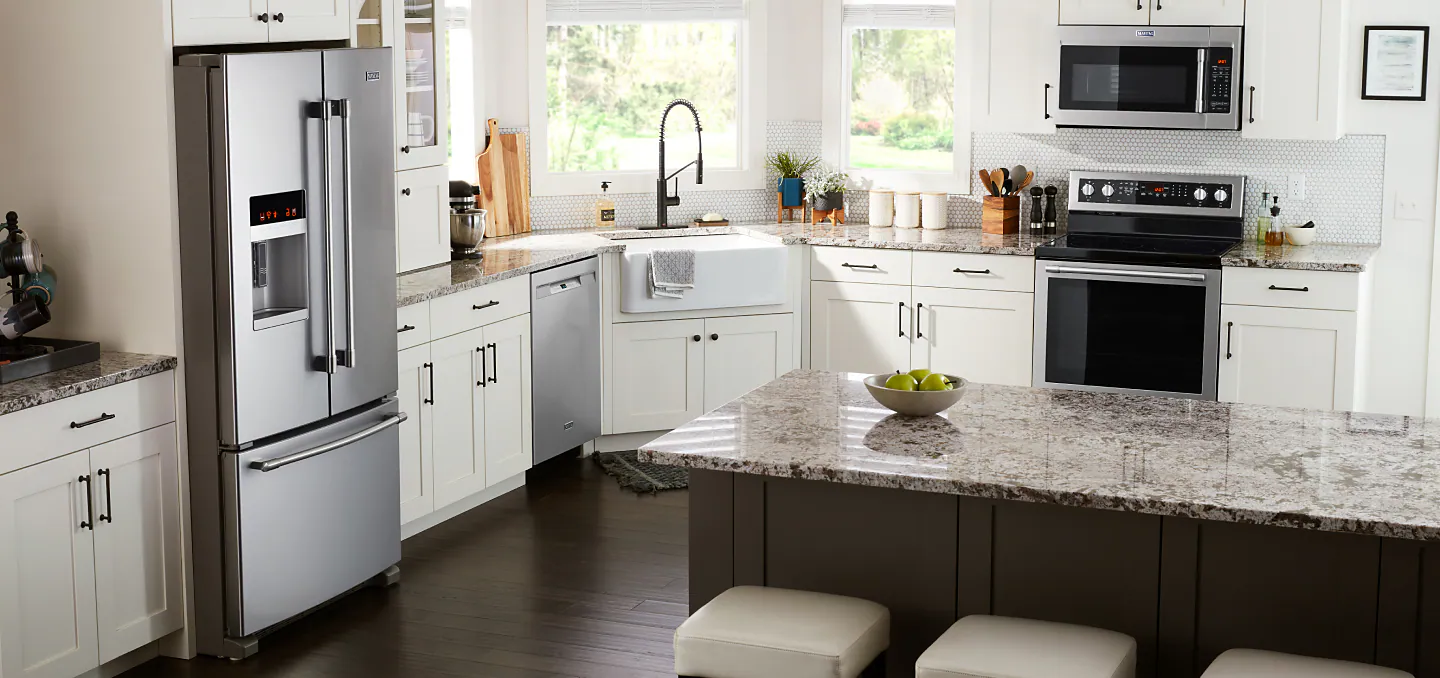
Hard water stains are common in kitchens, particularly on refrigerators, dishwashers, and ranges. The minerals in hard water, mainly calcium and magnesium, leave unsightly deposits that can dull appliance surfaces and affect performance. Here's a concise guide on how to prevent and remove these stains.
What Are Hard Water Stains?
Hard water stains form when water with high mineral content evaporates, leaving deposits behind on surfaces like glass refrigerator doors and dishwasher interiors. If left untreated, these stains can become more challenging to clean and may cause damage to your appliances over time.
Preventing Hard Water Stains on Kitchen Appliances
- Install a Water Softener: This removes minerals from your water, significantly reducing the appearance of appliance stains.
- Use a Water Filter: Modern refrigerators often have built-in filters. To lower the mineral content, replace these regularly. If yours doesn't have one, consider installing an external filter.
- Wipe Down Surfaces After Use: Wipe down surfaces, such as the refrigerator door and dishwasher exterior, with a microfiber cloth to remove moisture and prevent stains.
- Dry the Glass Surfaces: After using the water dispenser, wipe down the glass panels to prevent mineral deposits from forming on them.
- Choose the Right Detergent: Use a dishwasher detergent designed for hard water and follow loading guidelines. A rinse aid can also help reduce spots.
Removing Hard Water Stains from Kitchen Appliances
1. White Vinegar
Mix equal parts vinegar and water, then spray the mixture on stained areas and let it sit for 15-20 minutes. Wipe with a soft cloth and rinse. For dishwashers, run an empty cycle with a cup of vinegar on the top rack.
2. Baking Soda and Vinegar Paste
Combine two parts baking soda with one part vinegar to make a paste. Apply, let sit for 10-15 minutes, scrub gently, and rinse.
3. Commercial Cleaners
If natural solutions aren't effective, consider commercial cleaners specifically designed for removing hard water stains. Always test on a small area first.
4. Lemon Juice
This natural remedy, due to its acidity, can also help lift hard water stains.
How to use it:
- Cut a lemon in half and rub the juice directly onto the stained area.
- Let the juice sit for a few minutes, then scrub the stain gently with a soft cloth or sponge.
- Rinse with clean water and dry the area with a microfiber cloth.
5. Commercial Descaling Products for Dishwashers
For dishwashers that accumulate mineral deposits in their interiors, a descaling product can be helpful. These products are designed to break down hard water buildup and improve the performance of your dishwasher. Follow the manufacturer’s instructions for using these descaling agents, and use them regularly to keep your dishwasher free from hard water stains and scale.
Best Practices for Specific Kitchen Appliances
Refrigerators with Water Dispensers and Ice Makers:
- Regularly clean the water dispenser and ice maker with white vinegar or a commercial cleaner to prevent mineral buildup.
- Replace water filters as recommended by the manufacturer to ensure clean water.
Dishwashers:
- Clean the dishwasher filter regularly and run a cycle with white vinegar or a descaling product every few months to prevent mineral buildup.
Ranges and Stovetops:
- Wipe down stainless steel surfaces with warm water and mild dish soap to prevent mineral deposits.
- For stubborn stains, use a baking soda and vinegar paste.
Summary
You can manage hard water stains with regular maintenance. Using a water softener, wiping surfaces frequently, and using natural cleaners like vinegar and baking soda will help keep your appliances in good condition. Vinegar, baking soda, and lemon juice can restore shine for tough stains.
FAQs
1. What causes hard water stains?
Hard water stains come from minerals like calcium and magnesium. They leave deposits when water evaporates.
2. How can I prevent hard water stains?
Install a water softener, use water filters, wipe down surfaces after use, and regularly clean appliances with safe, non-toxic products.
3. Can a water softener help?
Yes, it removes calcium and magnesium, preventing mineral deposits and stains.
4. How often should I clean my dishwasher?
Clean it once a month and run a vinegar cycle to remove buildup.
5. Can I use regular cleaners to remove hard water stains?
Regular cleaners may not be effective and can damage surfaces. Use natural solutions or specific commercial cleaners instead.
Take Your Appliance
Knowledge from Good to Great
Just Ask Al is your go-to expert platform to connect, share, and learn — together. Join the Community on Facebook to get expert insights, tips, and more.
Collaborate with fellow appliance enthusiasts today!
38,000+ members and growing
Join the community today—everyone is welcome!


Take Your Appliance Knowledge With You On The Go!
Just Ask Al is your go-to expert platform to connect, share, and learn — together. Join the Community on Facebook to get expert insights, tips, and more.
Collaborate with fellow appliance enthusiasts today!