How to Properly Load a Dishwasher for the Best Cleaning Results

This article was generated using AI and reviewed by a human editor for quality and accuracy.
A dishwasher is one of the most convenient appliances in your kitchen, saving you time and effort. However, to achieve the best cleaning results, it’s essential to know how to load your dishwasher properly. By following a few simple techniques, you can maximize the dishwasher’s efficiency and ensure your dishes come out sparkling clean every time. In this post, we’ll cover some essential tips and tricks for loading your dishwasher effectively, ensuring optimal performance and cleanliness.
Understand Your Dishwasher's Layout
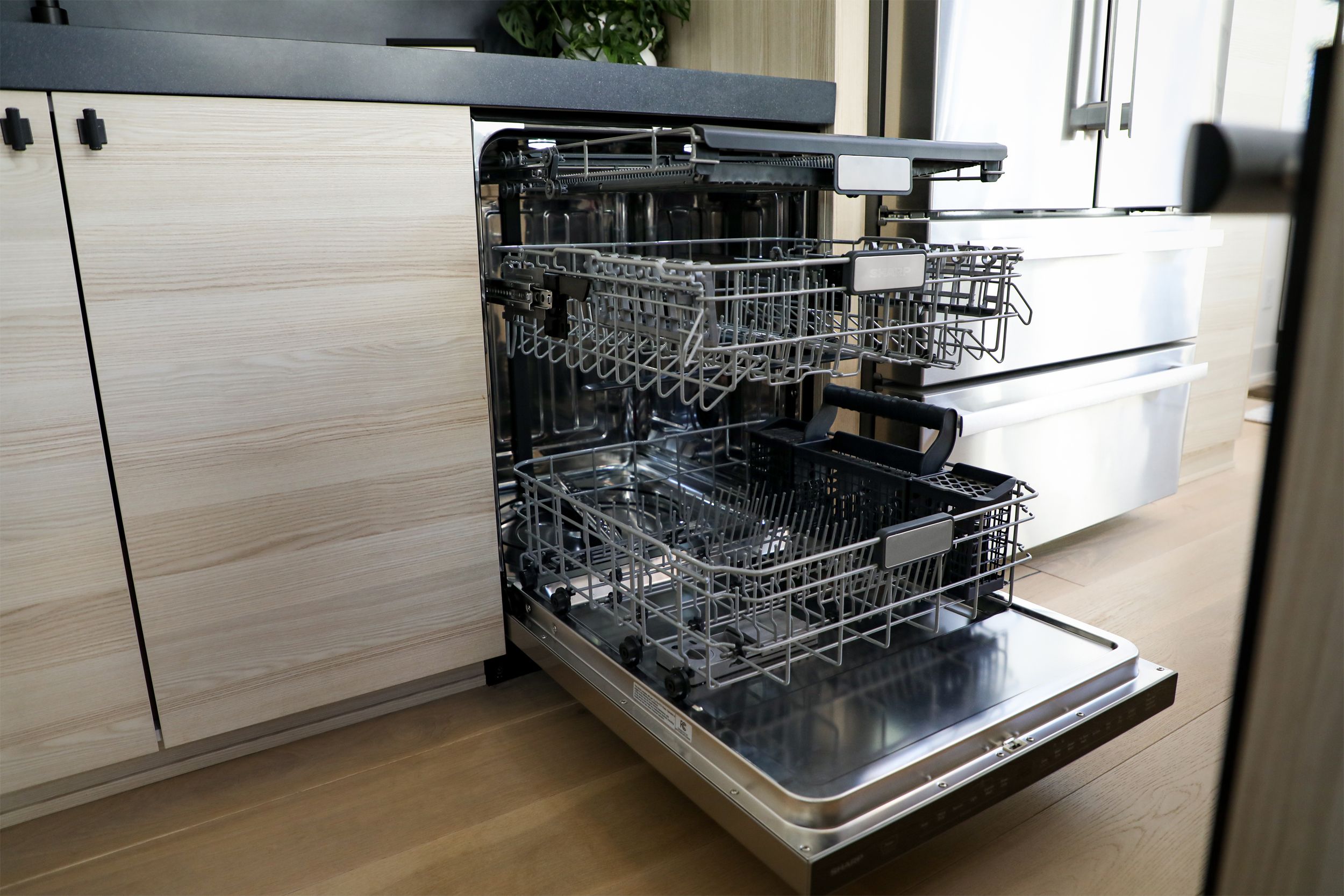
Modern dishwashers are designed with specific sections and racks for different types of dishes. Before loading, it’s important to familiarize yourself with your dishwasher’s layout to take full advantage of these features.
- Top Rack: This rack is typically designed for smaller, lighter items, such as glasses, cups, and small bowls. It’s also great for plastic items that need gentle cleaning to prevent warping.
- Bottom Rack: The bottom rack is for larger items, such as plates, pots, pans, and larger bowls. These should be placed facing downward to ensure they get thoroughly cleaned.
- Silverware Basket: Most dishwashers feature a dedicated silverware basket or tray for forks, spoons, and knives. For the best results, it’s important to load silverware properly.
Pre-rinse or Scrape Off Food Debris

While modern dishwashers can handle a fair amount of food residue, it’s still a good idea to scrape off large food particles before loading your dishes. Scraping off leftover food ensures that your dishwasher doesn’t get clogged, and it helps prevent food from sticking to your dishes during the wash cycle.
However, avoid over-rinsing—most dishwashers are designed to work with a bit of residue on the plates. Just make sure to remove large chunks of food.
How to Load the Top Rack
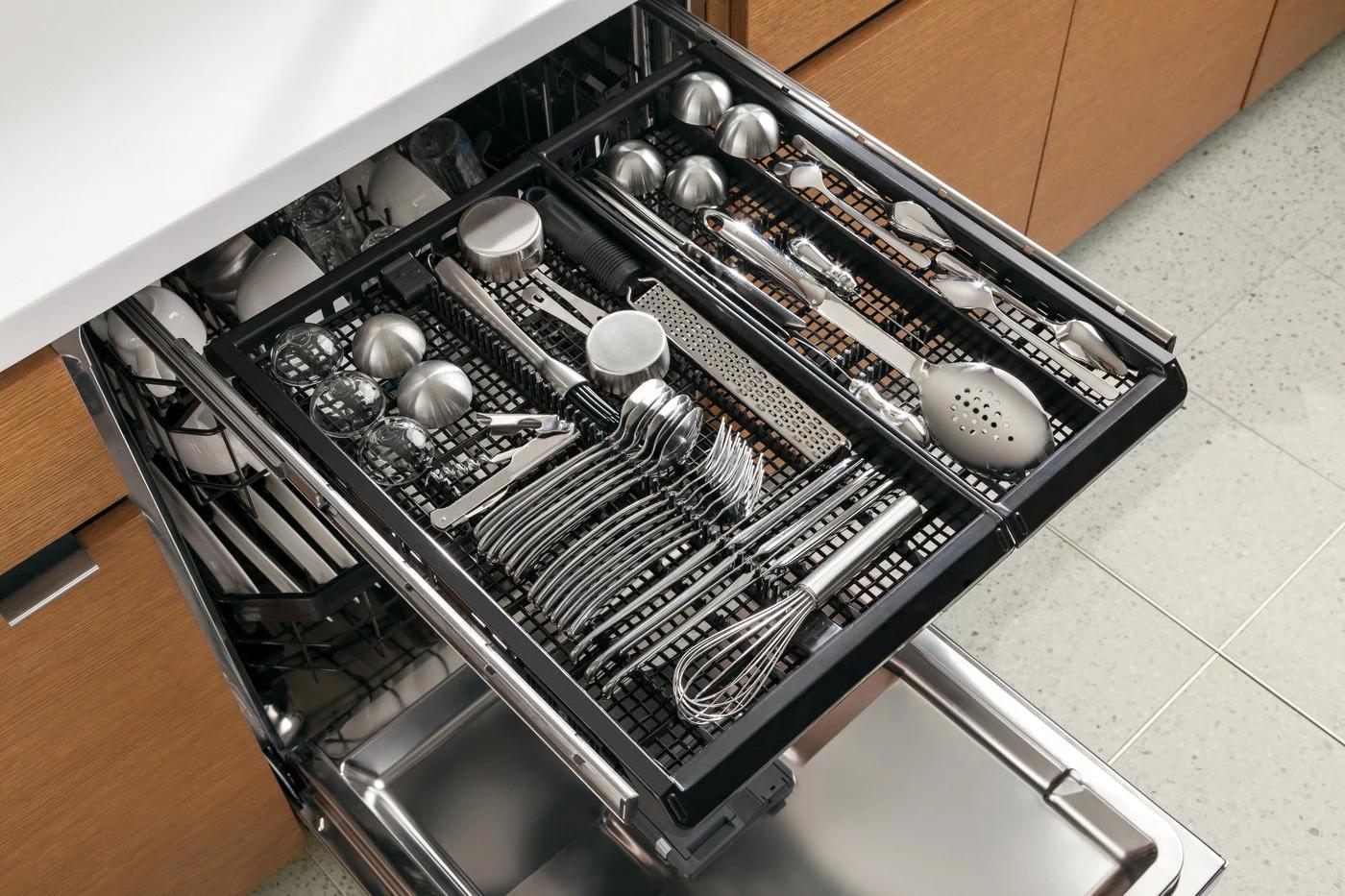
The top rack is perfect for delicate and lightweight items. When loading glasses, cups, and small bowls, make sure they are placed securely and facing downward.
- Glasses: Place glasses between the tines, ensuring they don’t touch each other. This allows water to flow freely over the surface. Tilt glasses slightly to prevent water from pooling inside them.
- Cups and Small Bowls: These can go between the tines as well, but be mindful of their placement to avoid blocking the spray arms. Smaller bowls should be placed upside down to allow water to drain effectively.
- Plastic Items: Place plastic items like Tupperware on the top rack, away from the heating element. High temperatures can cause plastic to warp, so the top rack is the safest place.
How to Load the Bottom Rack
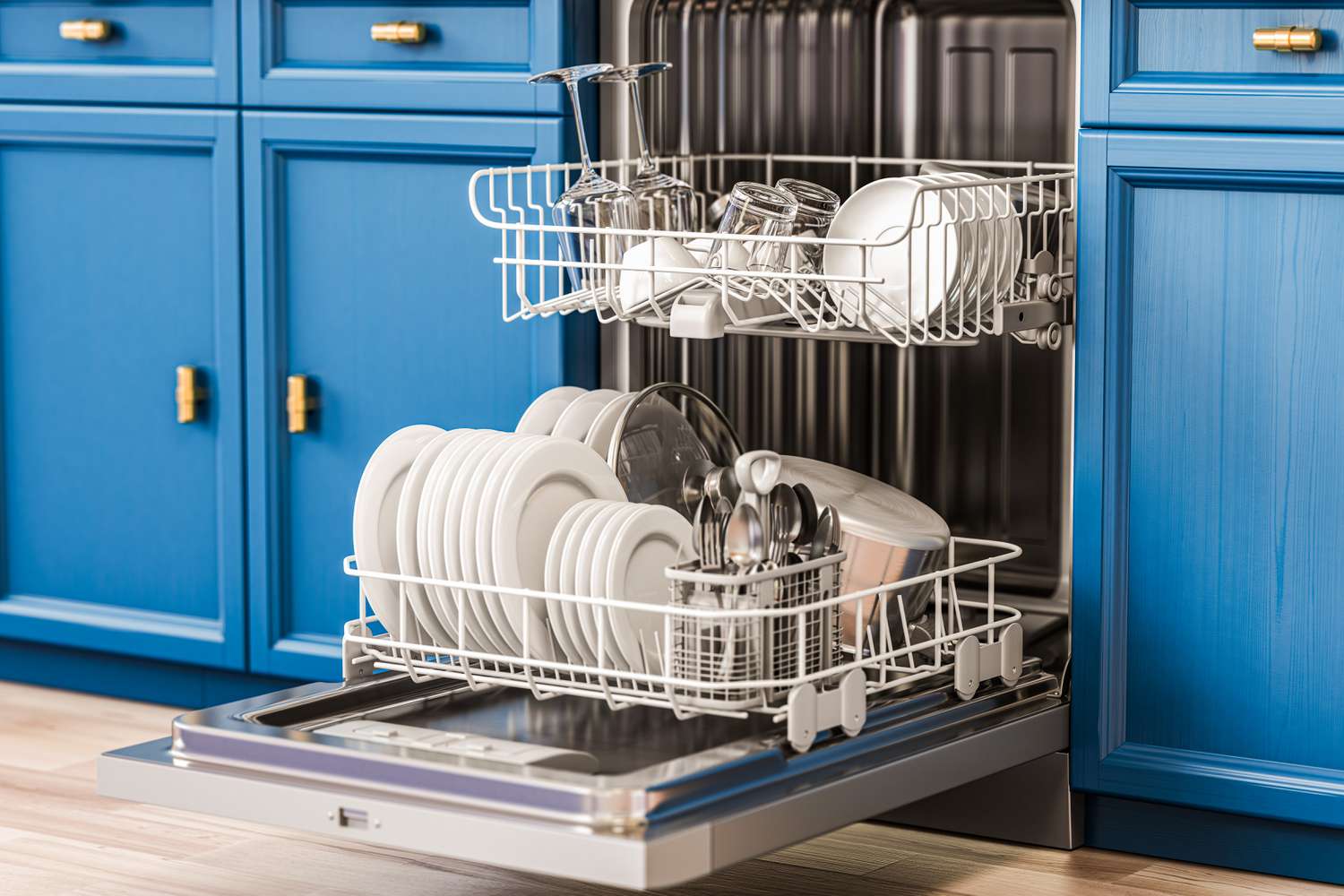
The bottom rack is for larger, heavier items that require more intense cleaning. Plates, large bowls, and pots should be placed here to take advantage of the dishwasher’s powerful lower spray arms.
- Plates: Place plates between the tines, making sure they are facing downward. This allows water and detergent to reach the surface of the plates effectively. Avoid overcrowding the rack—leaving space between dishes ensures optimal water circulation.
- Pots and Pans: Place these items in the bottom rack with the dirtiest side facing the spray arms. Position larger pots and pans toward the outer edges of the rack to avoid blocking the water flow. If your dishwasher has a bottom rack with folding tines, you can use this feature to create more space for larger items.
How to Load Silverware
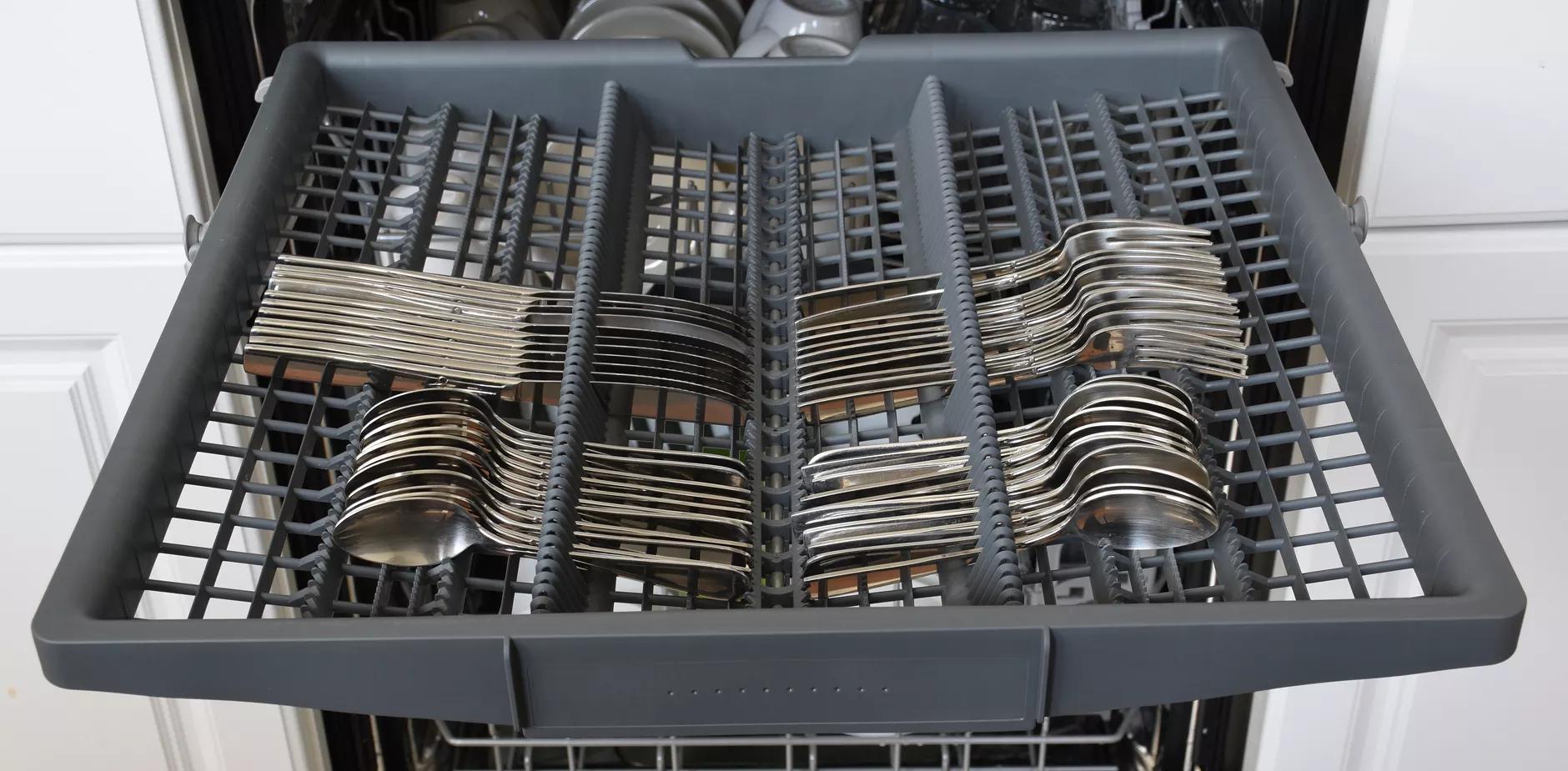
Properly loading your silverware is essential for preventing it from nesting together and for achieving a thorough clean.
- Forks, Knives, and Spoons: Place each piece of silverware into the basket with the handles facing down. This prevents them from nesting together, which can trap food particles and result in an incomplete cleaning. For knives, always place them with the blade facing down for safety reasons.
- Avoid Overcrowding: Don’t jam silverware into the basket. Overcrowding prevents the water from reaching every piece of silverware, leading to poor cleaning results. Spread the pieces out as much as possible to maximize water flow.
Avoid Blocking the Spray Arms
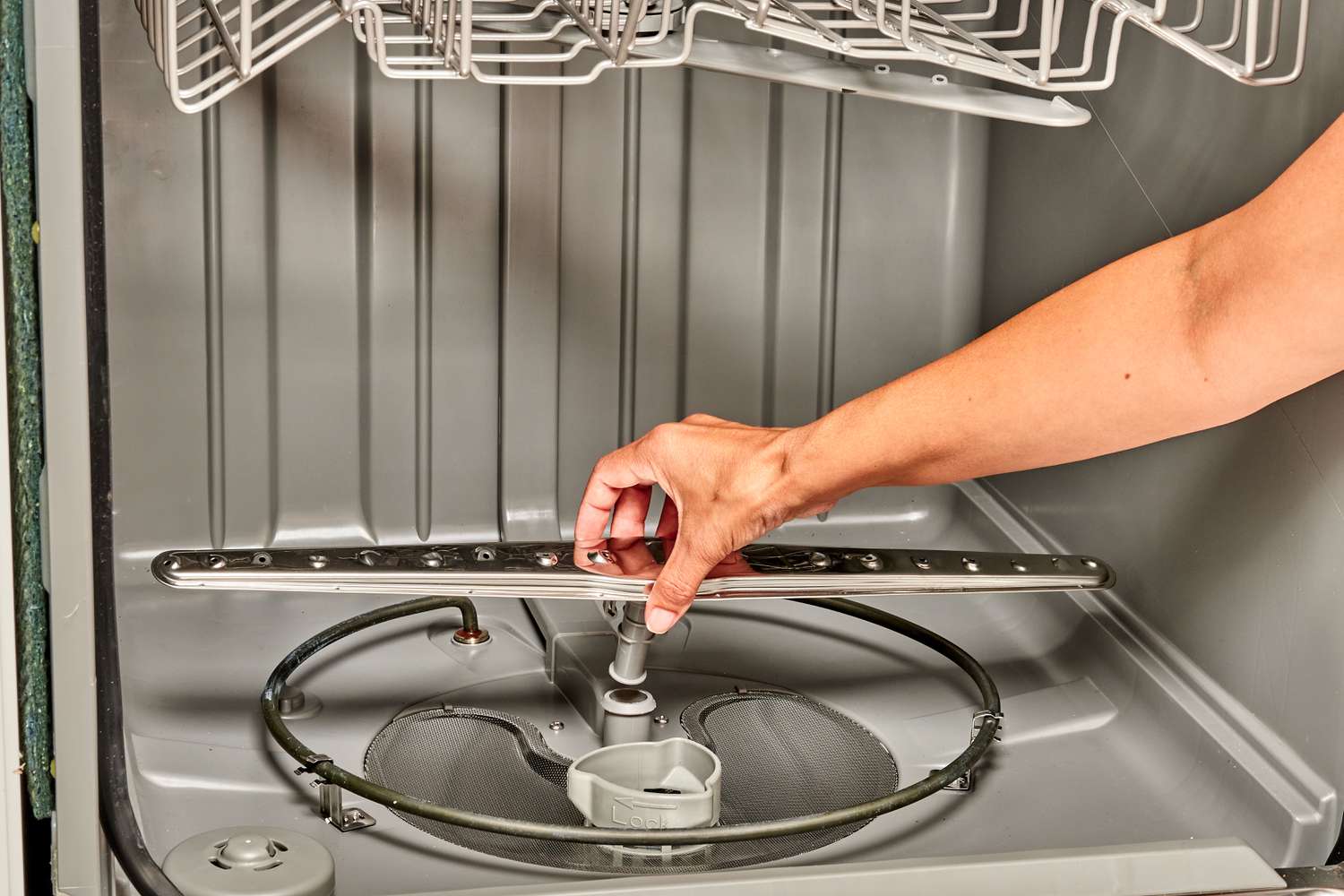
Most dishwashers have upper and lower spray arms that distribute water throughout the interior during the wash cycle. Ensure that nothing is blocking these arms by keeping dishes, especially large pots and bowls, away from the arms’ rotation path.
If the spray arms are obstructed, they won’t be able to clean the dishes properly, leading to poor cleaning performance. Test the rotation of the arms before starting the cycle to ensure they move freely.
Don’t Overload the Dishwasher
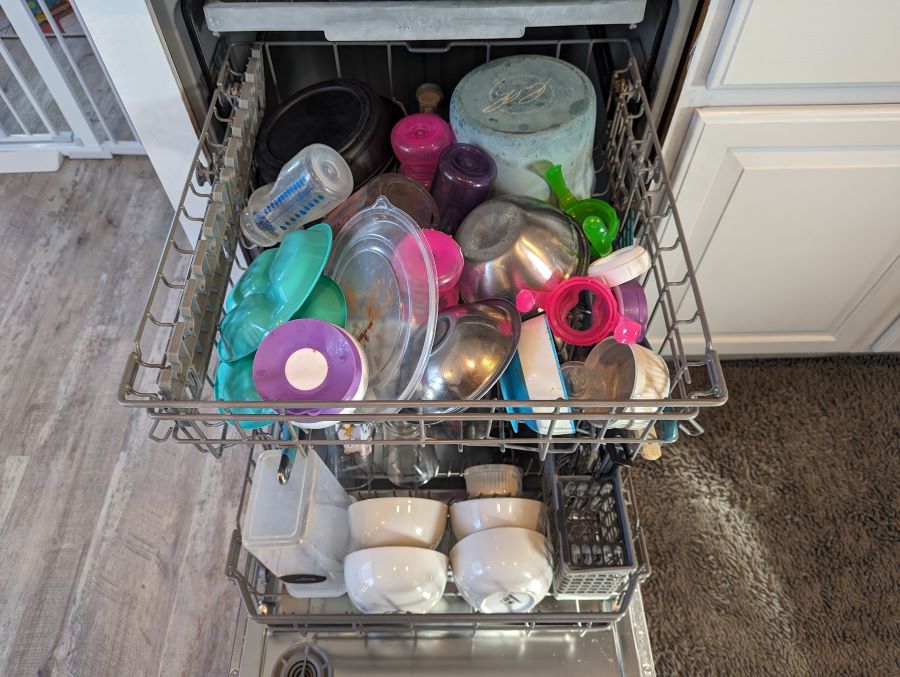
It might be tempting to cram as many dishes as possible into your dishwasher to save time, but this can backfire. Overloading the dishwasher prevents water from reaching every surface, resulting in partially cleaned dishes. Plus, dishes can knock into each other, which might cause scratches or damage.
Aim for a balance—load your dishwasher in a way that maximizes space but still leaves room for water and detergent to circulate effectively.
Choose the Right Cycle for Your Load
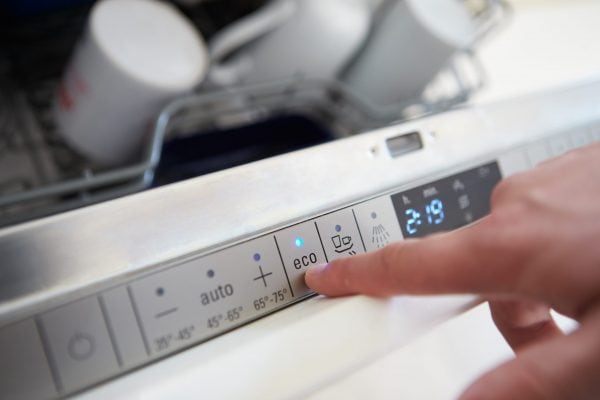
Selecting the appropriate wash cycle can improve cleaning results. If you’re washing a full load, consider using a longer or more intense cycle, such as a heavy-duty wash for pots and pans. For lightly soiled dishes, a quick wash cycle may be sufficient.
Check your dishwasher’s manual for recommended cycles based on your dishware and detergent type.
Use the Right Detergent
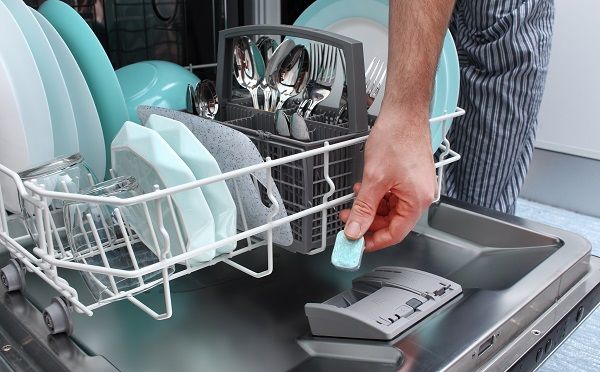
To get the best cleaning results, always use the correct type and amount of detergent. Overloading or under-loading your dishwasher’s detergent compartment can lead to residue left on your dishes or ineffective cleaning.
Additionally, make sure you're using a high-quality detergent that is compatible with your dishwasher model. Some dishwashers are optimized for use with specific brands of detergent, so checking the manufacturer's recommendations can make a big difference in performance.
Final Thoughts
Properly loading your dishwasher is the key to achieving the best cleaning results. By understanding the layout of your dishwasher, placing items in the right locations, and following best practices for silverware, large pots, and delicate items, you’ll maximize efficiency and reduce the likelihood of needing to rewash anything.
With these simple tips in mind, you can be confident that your dishwasher will provide sparkling clean dishes every time, saving you both time and energy in the kitchen.
FAQs
1. Should I rinse my dishes before loading them into the dishwasher?
While it's not necessary to rinse your dishes completely, you should scrape off large food debris. Over-rinsing can actually reduce the effectiveness of your dishwasher since most models are designed to clean dishes with some residue left on them. A quick scrape should be sufficient.
2. Can I put all my glassware on the top rack?
Yes, the top rack is ideal for most glassware, cups, and small bowls. Just ensure they are securely placed to prevent tipping during the wash cycle. Position them at an angle to allow water to flow freely and avoid water pooling inside.
3. Why do my dishes still have food particles on them after washing?
There are a few potential causes:
- Overloading: When the dishwasher is overloaded, water cannot reach all the dishes properly.
- Improper Loading: Blocking the spray arms or placing dishes too close together can restrict water flow.
- Clogged Filters: Check and clean your dishwasher’s filter regularly to ensure it’s not clogged with food particles.
- Incorrect Detergent: Using too much or too little detergent, or using the wrong type, can affect cleaning performance.
4. Can I wash plastic containers in the dishwasher?
Yes, but it’s best to place plastic containers on the top rack to avoid the heat from the bottom rack, which could cause warping. Ensure that plastic items are secure and won’t fall during the wash cycle.
5. How do I prevent my silverware from getting stuck together?
To avoid silverware nesting together:
- Place utensils in the basket with handles facing down (except knives, which should face down for safety).
- Spread out the silverware as much as possible and don’t overcrowd the basket.
- Use a silverware caddy or tray that separates the utensils for optimal cleaning.
Take Your Appliance
Knowledge from Good to Great
Just Ask Al is your go-to expert platform to connect, share, and learn — together. Join the Community on Facebook to get expert insights, tips, and more.
Collaborate with fellow appliance enthusiasts today!
38,000+ members and growing
Join the community today—everyone is welcome!


Take Your Appliance Knowledge With You On The Go!
Just Ask Al is your go-to expert platform to connect, share, and learn — together. Join the Community on Facebook to get expert insights, tips, and more.
Collaborate with fellow appliance enthusiasts today!