How to Properly Maintain Your Washing Machine for Longevity
This article was generated using AI and reviewed by a human editor for quality and accuracy.
Washing machines are essential household appliances that help us manage laundry efficiently. However, like all major appliances, they require regular care and attention to ensure they continue functioning optimally for years. A well-maintained washing machine can last much longer, saving you the cost of expensive repairs or even replacement. This guide will explore maintaining your washing machine, boosting its longevity, and ensuring smooth operation for many years.
Clean the Washing Machine Drum Regularly
A dirty drum is one of a washing machine's most common causes of malfunctions and odors. Over time, detergent residues, fabric softeners, oils, and dust can accumulate inside the drum, leading to mold, mildew growth, unpleasant odors, and reduced washing efficiency. To prevent this, regular drum cleaning is essential.
- For Front-Load Washers: These washers are more prone to mildew buildup around the door seal. Run a monthly cleaning cycle with a washer cleaner or mix 2 cups of white vinegar and ½ cup of baking soda in a hot water cycle. This practice cleans out built-up residues while neutralizing odors. Remember to wipe the door seal, as moisture can linger in the folds and create a breeding ground for bacteria.
- For Top-Load Washers: These machines can accumulate soap and detergent residues. Run a hot cycle with 2 cups of white vinegar to help break down any buildup. Be sure to wipe down the drum and the rim to keep things fresh. Additionally, top-load machines are less likely to develop mold, but regular cleaning will ensure optimal performance.
Inspect and Clean the Filter
Most washing machines, especially front-load models, have filters that catch lint, hair, and other debris. If the filter becomes clogged, it can impede water flow and strain the machine’s motor, potentially leading to malfunctions. Fortunately, cleaning the filter is a straightforward maintenance task.
- Front-Load Washers: Look for the filter access door, typically located at the bottom front of the machine. Open it and remove any trapped lint, hair, or debris. Clean the filter gently and place it back. This should be done every 1-2 months or as needed depending on your laundry load.
- Top-Load Washers: Some top-load washers also come with filters, but they tend to require less frequent cleaning as lint is often filtered through the drum. If your machine has a lint trap, clean it after every load.
Keep the Door Open Between Uses
If you have a front-load washing machine, make it a habit to keep the door open after each use. This simple practice prevents moisture from accumulating inside the drum and door seal, helping to avoid mold, mildew, and unpleasant odors that can develop when the machine is sealed shut while damp.
For top-load washers, leaving the lid open is also beneficial. It allows any residual moisture to evaporate, which helps prevent mold and odors. Incorporating this step into your post-wash routine can extend the lifespan of your washer.
Check and Replace the Hoses
The hoses that connect your washing machine to the water supply are crucial for proper functioning. However, over time, they can develop cracks, bulges, or leaks, which may lead to water damage in your home. Regularly inspecting these hoses is essential for early detection of potential issues.
- Inspect the Hoses: Check the inlet hoses (the ones that bring water into your washer) every 6 to 12 months for signs of wear. Look for cracks, bulges, or corrosion. Replacing damaged hoses can help prevent major flooding in your home.
- Replace Every 3-5 Years: Even if there’s no visible damage, replacing hoses every 3 to 5 years is wise to avoid unexpected leaks. Rubber hoses can degrade over time, while stainless steel hoses last longer but still require periodic checks.
- Avoid Kinking: Ensure the hoses are not kinked or twisted, which can block water flow and damage the washer.
Level Your Washing Machine
A washing machine that isn’t level can shake excessively during operation, stressing internal components such as the drum, motor, and suspension system. This handling shortens the machine's lifespan and increases noise and vibration during cycles.
- Use a Level: After installation, or if you notice abnormal vibrations, use a bubble level to ensure the washer is perfectly even. Adjust the leveling feet to raise or lower the machine until it’s sitting flat.
- Stabilize the Washer: If you live in an area with uneven floors, consider using rubber mats or anti-vibration pads under the washing machine’s feet for added stability.
Avoid Overloading the Washer
Overloading your washing machine might save time, but it can cause inefficient cleaning, strain the motor, and lead to premature wear.
- Follow Manufacturer Guidelines: Stick to the recommended load size in the user manual to ensure proper cleaning and prevent motor strain.
- Balanced Loads: Distribute clothes evenly to avoid unbalanced loads that can cause vibrations and damage.
Use the Right Detergent
Using the correct detergent is vital. High-efficiency (HE) washers require HE detergent, which is formulated to produce fewer suds.
- Avoid Overusing Detergent: Excess detergent can lead to soap buildup, reduce efficiency, and cause odors. Follow the manufacturer’s instructions for the right amount.
- Choose the Right Formula: Use regular detergent for top-load washers and HE detergent for front-loaders.
Run Regular Empty Cycles
Run your washing machine empty once a month to maintain cleanliness. To eliminate residue, use hot water with vinegar or a washer cleaner.
Check for Leaks Regularly
Inspect your machine for leaks, especially after cycles. Pay attention to hoses and seals, and address any leaks immediately to prevent damage.
Schedule Professional Maintenance
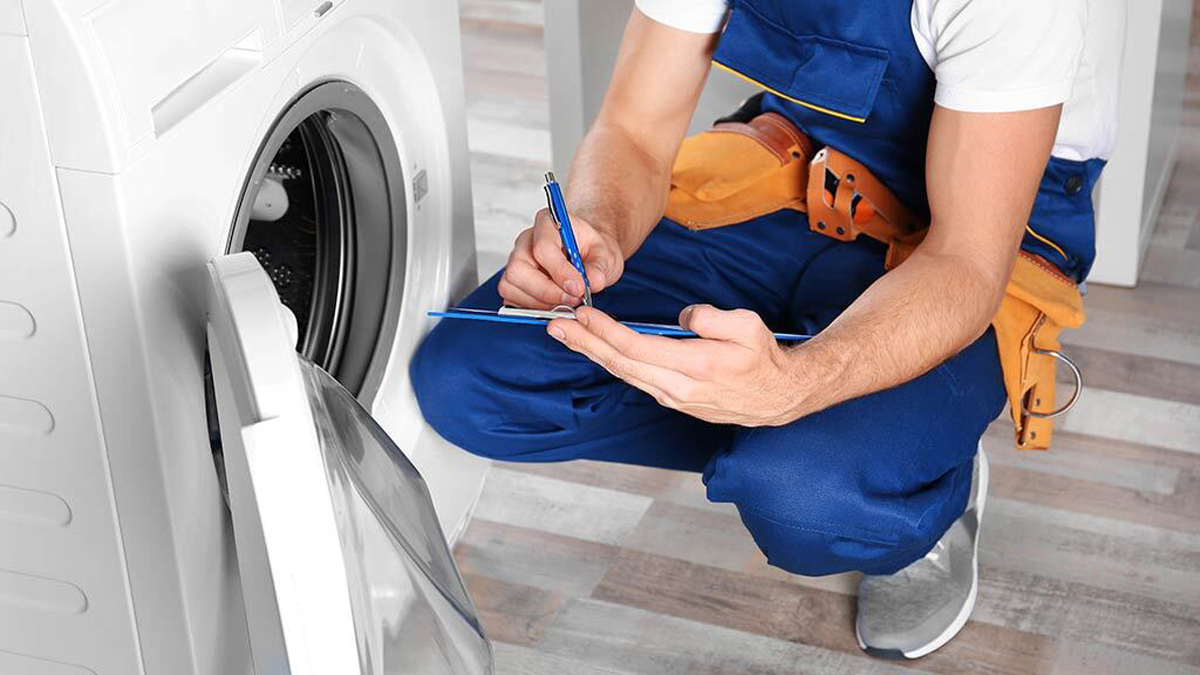
Professional inspections every couple of years can identify deeper issues. A technician can detect potential problems before they become costly repairs.
Final Thoughts
Regular maintenance is key to your washing machine’s long-term performance. You can extend its life and ensure efficient operation by following these steps: cleaning, inspecting, and using it properly.
FAQs
1. How often should I clean my washing machine?
Clean front-load washers monthly with a washer cleaner or a mix of white vinegar and baking soda. Top-load washers should also be cleaned monthly using the same method. Regularly check and clean the filter and door seal to prevent mold.
2. Can I use regular detergent in a high-efficiency (HE) washer?
No, only use HE detergent in HE washers, as regular detergent can create excessive suds and damage the machine.
3. How can I remove odors from my washing machine?
Run an empty cycle with hot water and 2 cups of white vinegar or a washing machine cleaner. Wipe down the door seal of front-load washers and leave the door ajar to allow air circulation.
4. How can I prevent mold in my washing machine?
After each load, keep the door of front-load washers slightly ajar to allow drying. Avoid leaving wet laundry inside for too long, and clean the drum and seals regularly.
5. How can I tell if my washing machine hoses need to be replaced?
Inspect hoses every 6-12 months for cracks or leaks. Replace them every 3-5 years, even if they seem fine.
Take Your Appliance
Knowledge from Good to Great
Just Ask Al is your go-to expert platform to connect, share, and learn — together. Join the Community on Facebook to get expert insights, tips, and more.
Collaborate with fellow appliance enthusiasts today!
38,000+ members and growing
Join the community today—everyone is welcome!


Take Your Appliance Knowledge With You On The Go!
Just Ask Al is your go-to expert platform to connect, share, and learn — together. Join the Community on Facebook to get expert insights, tips, and more.
Collaborate with fellow appliance enthusiasts today!