Ice Makers: Undercounter vs. Freestanding – Which is Best?
This article was generated using AI and reviewed by a human editor for quality and accuracy.
When it comes to choosing an ice maker for your home, office, or outdoor kitchen, one of the key decisions is whether to go with an undercounter or freestanding model. Both options provide a reliable source of ice, but they have distinct advantages and drawbacks. In this guide, we’ll break down the differences between undercounter and freestanding ice makers, helping you decide which is best for your needs.
What is an Undercounter Ice Maker?
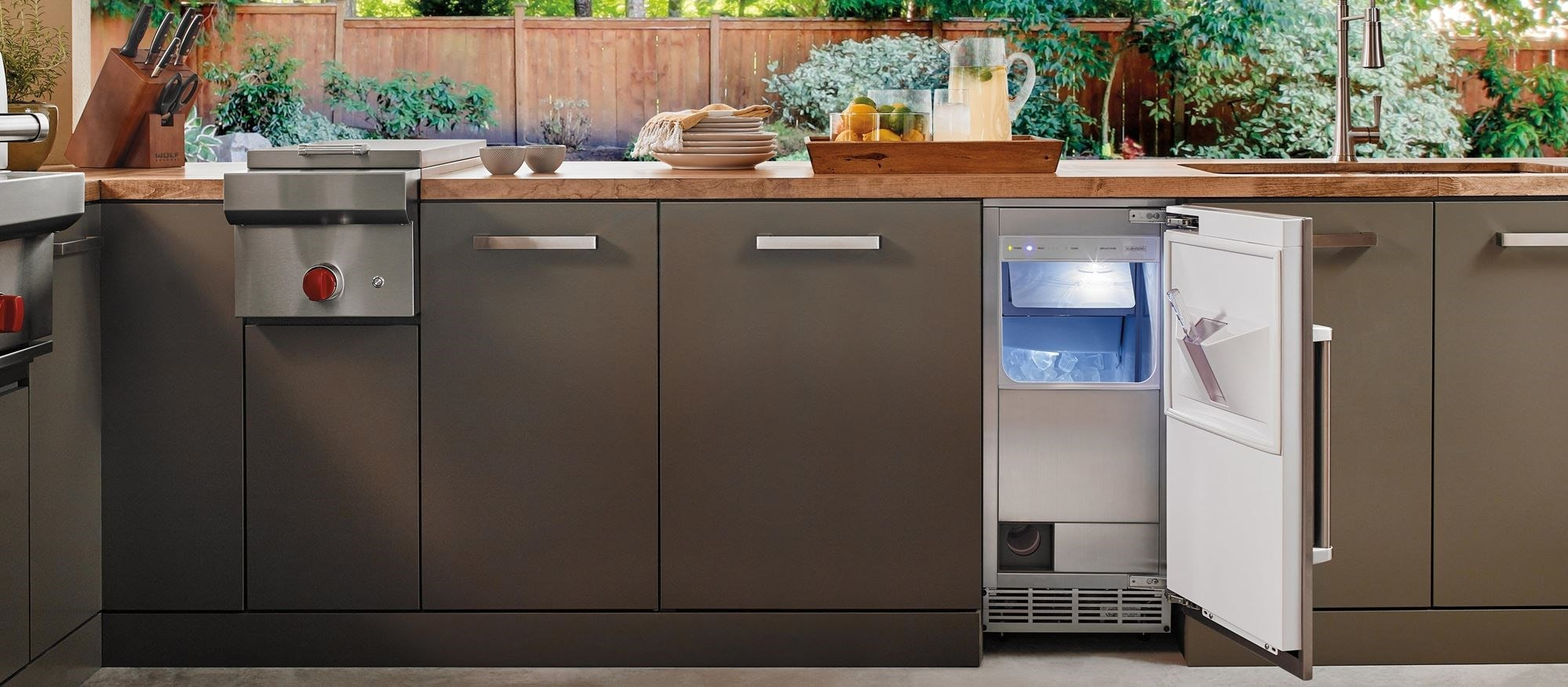
An undercounter ice maker is designed to fit seamlessly beneath countertops, similar to a built-in dishwasher. These units require proper ventilation and a dedicated water line to function efficiently. They are typically used in kitchens, home bars, and outdoor entertainment spaces where a continuous supply of ice is needed without taking up extra floor space.
Pros of Undercounter Ice Makers:
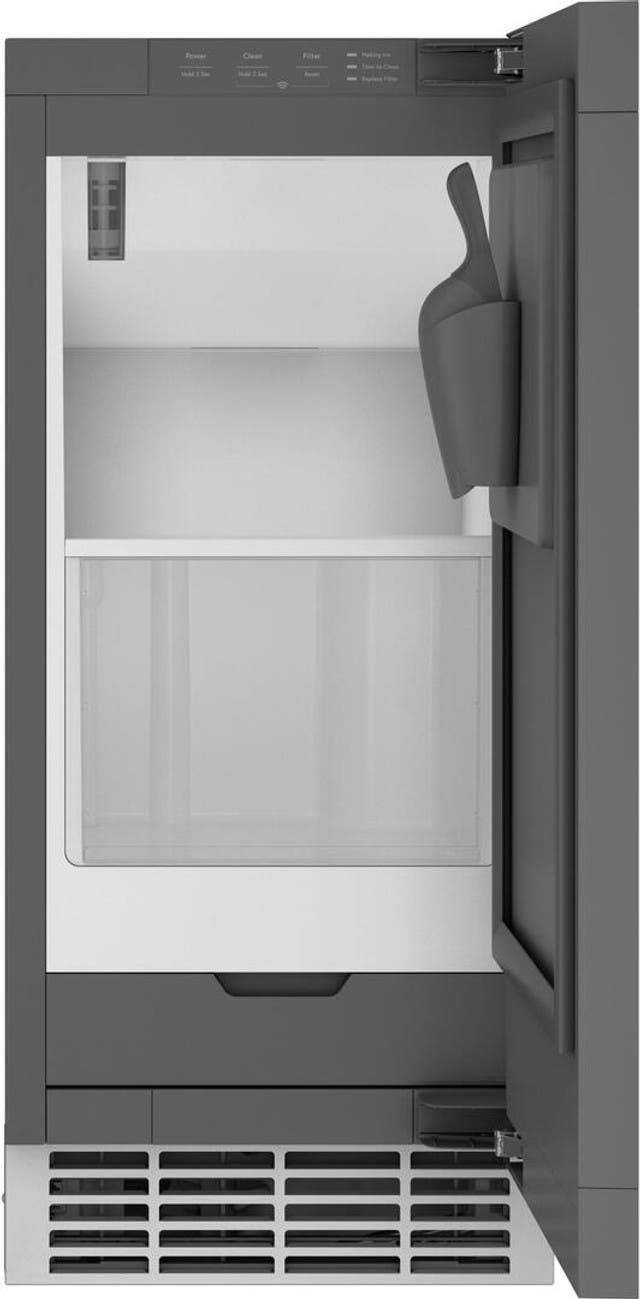
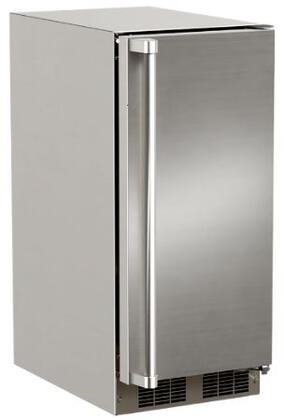
- Space-Saving Design: Perfect for those who want a built-in look without cluttering the floor.
- Higher Ice Production: Many undercounter models produce and store more ice compared to freestanding models.
- Aesthetic Appeal: Integrates seamlessly into cabinetry for a sleek, professional look.
- Great for Entertaining: Ensures a steady supply of ice for parties, gatherings, and events.
- Consistent Ice Quality: Often produces clear, restaurant-quality ice cubes.
Cons of Undercounter Ice Makers:
- Installation Required: Needs a dedicated water line and proper drainage.
- Less Flexibility: Once installed, it cannot be easily moved to another location.
- Higher Cost: Typically more expensive due to built-in design and higher ice production capacity.
- Requires Maintenance: Needs periodic cleaning and filter changes to ensure optimal performance.
What is a Freestanding Ice Maker?
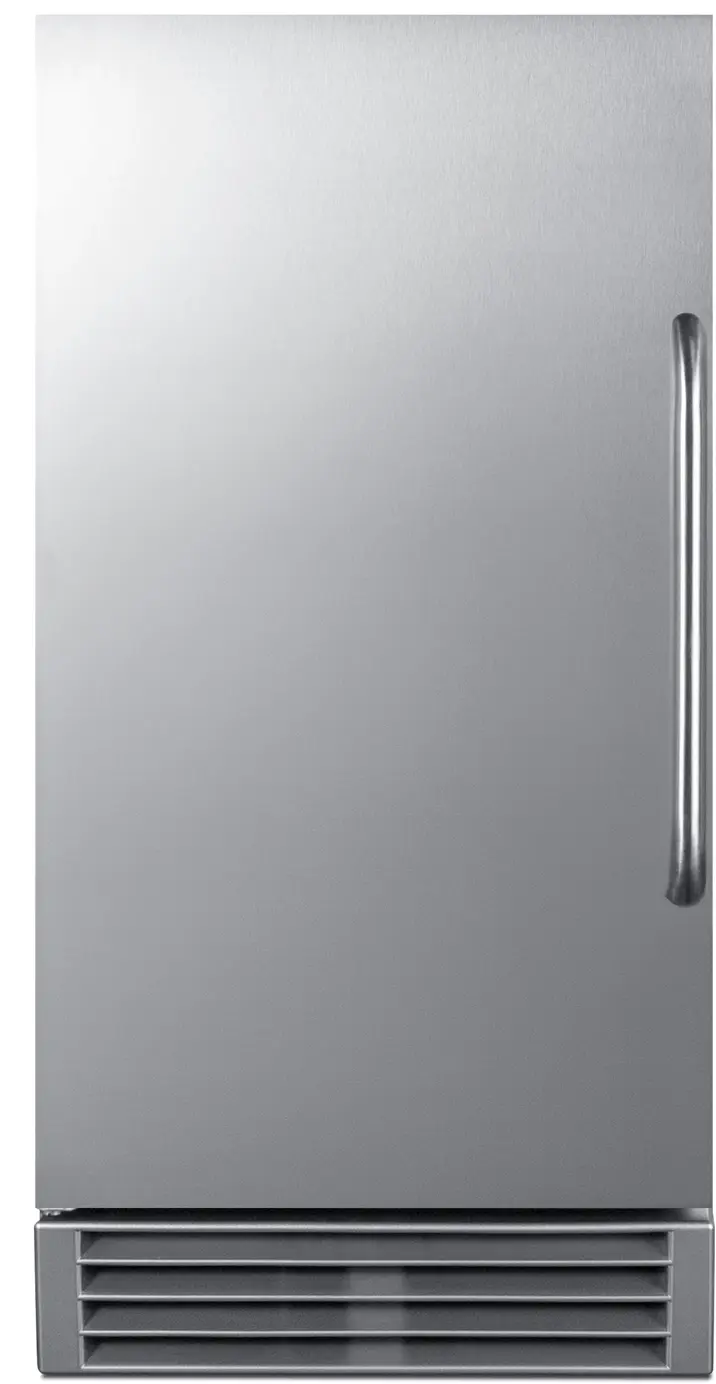
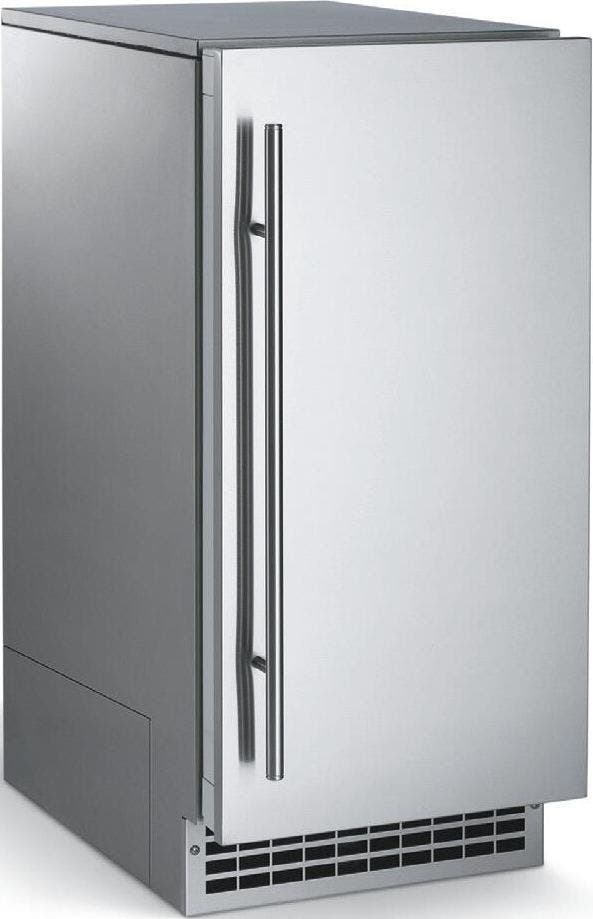
Freestanding ice makers, also known as portable or countertop ice makers, offer more flexibility as they do not require permanent installation. These units are ideal for those who need ice on demand in various locations, such as RVs, offices, or smaller kitchens.
Pros of Freestanding Ice Makers:
- Easy Setup: Requires no installation—just plug in, add water, and start making ice.
- Portable: Can be moved easily from room to room or even taken on trips.
- Lower Cost: More budget-friendly compared to built-in undercounter models.
- Quick Ice Production: Many models can produce ice within minutes, making them great for immediate use.
- Variety of Ice Types: Some models allow you to choose between nugget, bullet, or cube ice.
Cons of Freestanding Ice Makers:
- Limited Ice Storage: Smaller storage capacity compared to undercounter units.
- Less Efficient: Most models don’t keep ice frozen for long, requiring frequent use.
- Takes Up Counter Space: Can clutter countertops or require additional floor space.
- Lower Ice Quality: May produce ice that is softer or melts more quickly compared to undercounter models.
Key Factors to Consider When Choosing an Ice Maker
1. Ice Production and Storage Capacity
- If you frequently entertain guests or need a large amount of ice daily, an undercounter ice maker is the better option due to its higher production and storage capacity.
- For occasional use or smaller households, a freestanding model may be sufficient.
2. Space and Installation
- Undercounter ice makers require designated space under cabinetry and access to a water line and drain.
- Freestanding models can be placed on countertops, tables, or floors without permanent installation.
3. Ice Type and Quality
- Undercounter ice makers often produce clear, restaurant-quality ice, ideal for cocktails and upscale beverages.
- Freestanding units may produce bullet or nugget ice, which is great for soft drinks but may melt faster.
4. Energy and Water Efficiency
- Undercounter models tend to be more energy-efficient since they can produce larger batches at a time.
- Freestanding models might consume more energy due to frequent ice-making cycles.
5. Maintenance and Cleaning
- Undercounter ice makers require regular maintenance, including filter changes and descaling to prevent mineral buildup.
- Freestanding models need periodic cleaning but generally require less maintenance.
Which One is Right for You?
The decision between an undercounter and a freestanding ice maker depends on several factors:
- Available Space: If you have room under your counter and want a built-in look, an undercounter model is ideal. If you need something portable, go with a freestanding model.
- Ice Consumption: Frequent entertainers or large households may benefit from the higher capacity of an undercounter ice maker.
- Budget: Freestanding ice makers are more affordable and require no installation costs.
- Installation Considerations: If plumbing modifications are not an option, a freestanding unit is the way to go.
Final Thoughts
Both undercounter and freestanding ice makers have their advantages, and the best choice depends on your specific needs. If you’re looking for a seamless, high-capacity ice maker for your kitchen or bar, an undercounter model is the best investment. However, if you need a portable and budget-friendly option, a freestanding ice maker will provide flexibility and convenience. No matter which you choose, having a dedicated ice maker ensures you’ll never run out of ice when you need it most!
FAQs
1. How long does it take for an ice maker to produce ice?
Freestanding ice makers can start producing ice in as little as 10-20 minutes, while undercounter models may take a few hours to fill their storage bin fully.
2. Do undercounter ice makers require a drain?
Most undercounter ice makers require a drain to dispose of excess water. Some models come with a built-in drain pump, while others require a gravity drain.
3. Can a freestanding ice maker be used outdoors?
Some freestanding ice makers are designed for outdoor use, but most are intended for indoor environments. Always check the manufacturer’s specifications before placing one outdoors.
4. How do I clean and maintain my ice maker?
Regular cleaning is essential. For undercounter models, clean the water filter, descale as needed, and wipe down the interior. Freestanding units should be emptied and cleaned frequently to prevent mold and mineral buildup.
5. What is the best ice type for cocktails?
Clear, slow-melting ice cubes from undercounter models are ideal for cocktails, as they dilute drinks less compared to softer, cloudy ice from freestanding machines.
Take Your Appliance
Knowledge from Good to Great
Just Ask Al is your go-to expert platform to connect, share, and learn — together. Join the Community on Facebook to get expert insights, tips, and more.
Collaborate with fellow appliance enthusiasts today!
38,000+ members and growing
Join the community today—everyone is welcome!


Take Your Appliance Knowledge With You On The Go!
Just Ask Al is your go-to expert platform to connect, share, and learn — together. Join the Community on Facebook to get expert insights, tips, and more.
Collaborate with fellow appliance enthusiasts today!