Induction Cooktops: How They Work & Are They Worth It?
This article was generated using AI and reviewed by a human editor for quality and accuracy.
In recent years, induction cooktops have grown in popularity, offering an innovative and energy-efficient alternative to traditional gas and electric ranges. But with so many cooking options available, you may be wondering whether induction cooktops are truly worth the investment. Let’s take a closer look at how induction cooktops work, their benefits, and whether they’re the right choice for your kitchen.
How Induction Cooktops Work
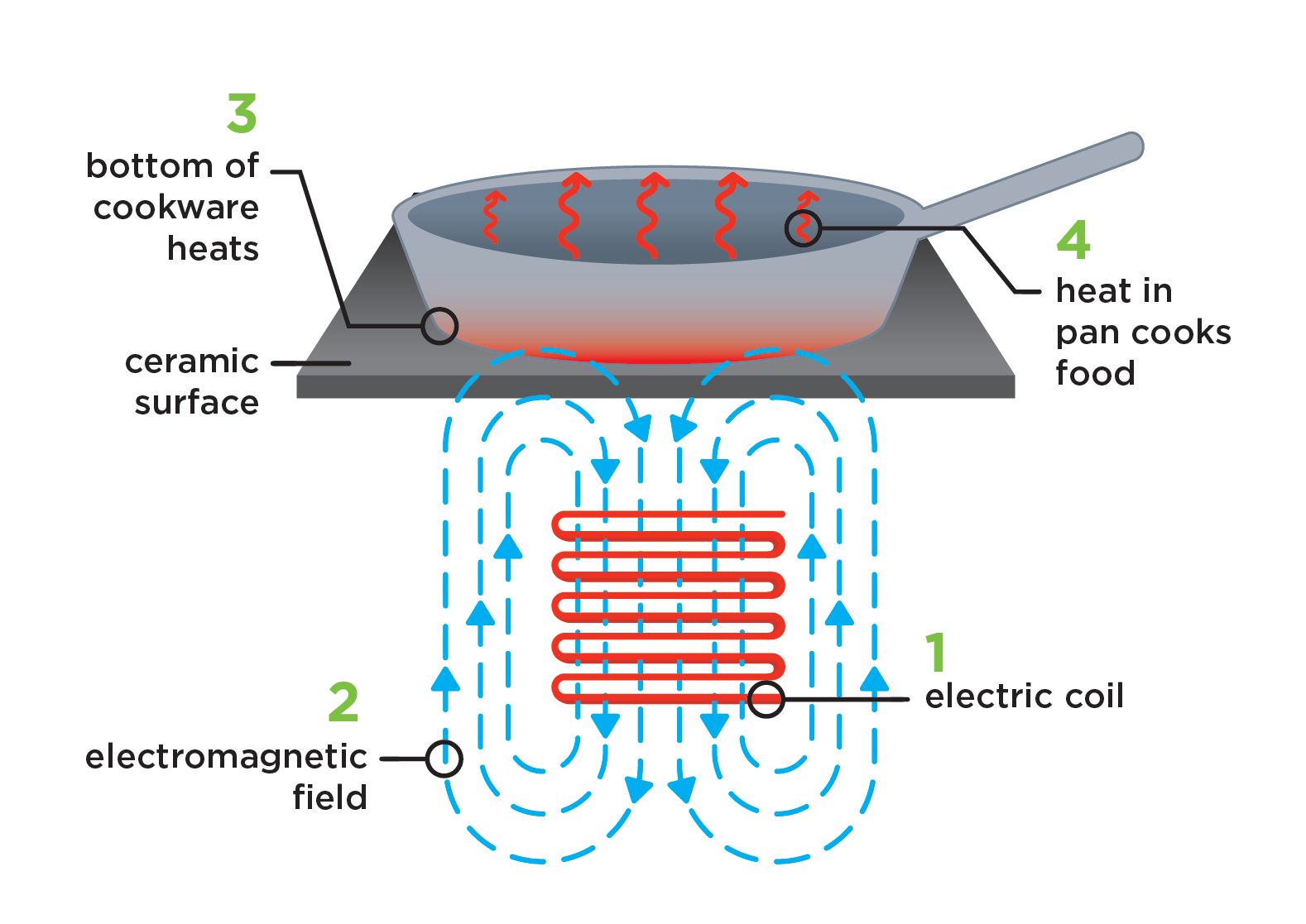
Unlike traditional gas and electric cooktops, which use direct heat to warm cookware, induction cooktops rely on electromagnetic energy to heat pots and pans. The process involves creating a magnetic field between the cooktop and the cookware, which generates heat directly in the pot or pan.
- Electromagnetic Energy: When you turn on an induction cooktop, an electric current flows through a coil of copper wire underneath the cooktop’s ceramic surface. This creates a magnetic field that induces an electrical current in the cookware placed on the cooktop.
- Direct Heating: The magnetic current directly heats the base of the cookware, which in turn heats the food inside. Because the heat is generated directly in the cookware, the cooktop itself remains cool to the touch. Only the pan becomes hot, reducing the risk of burns and creating a safer cooking environment.
- Cookware Compatibility: Induction cooking requires cookware made from ferrous (magnetic) materials, such as cast iron, stainless steel, or enamel-coated steel. If a magnet sticks to the bottom of the pot or pan, it will work with an induction cooktop. Cookware made from non-ferrous materials, like aluminum or copper, will not work unless they have a magnetic base.
Benefits of Induction Cooktops
1. Energy Efficiency
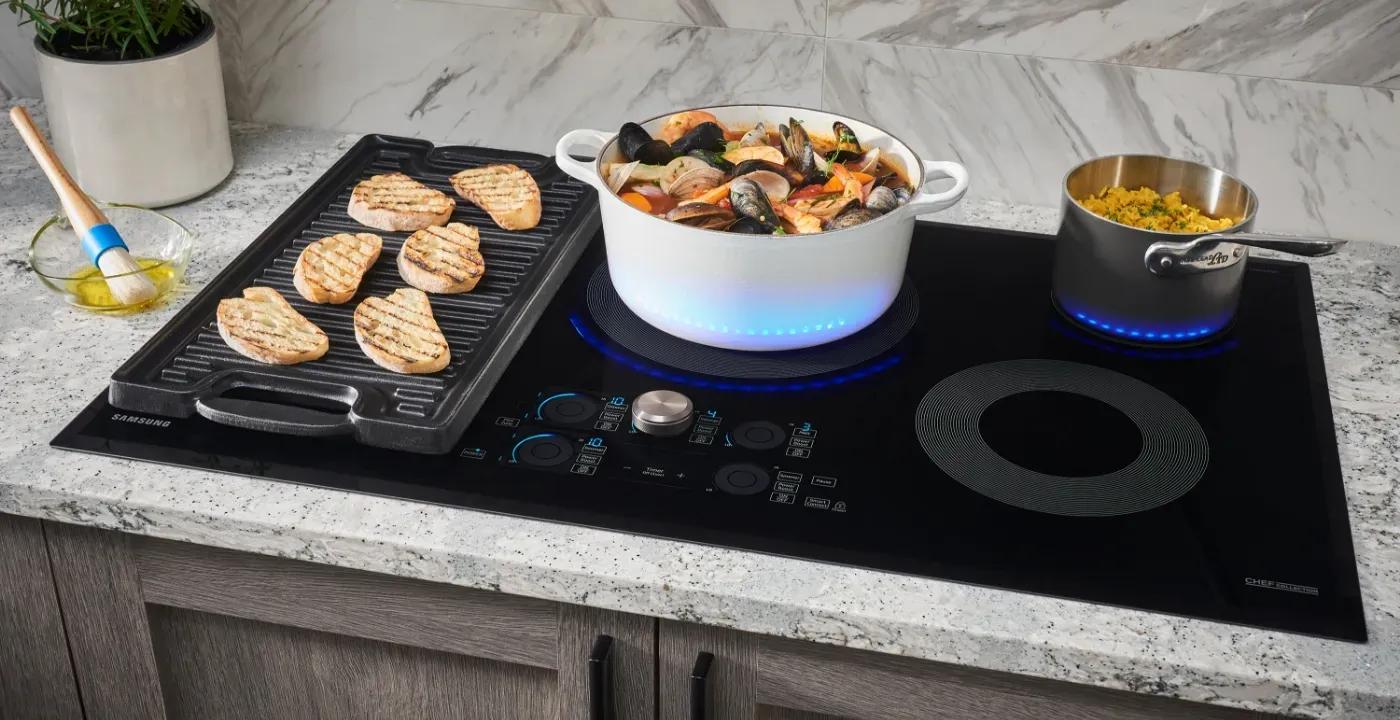
One of the most significant advantages of induction cooktops is their energy efficiency. Unlike traditional gas or electric cooktops, induction cooktops use direct heat transfer to the cookware, meaning less energy is wasted. According to the U.S. Department of Energy, induction cooktops are about 84% energy-efficient, compared to gas at 40% and electric at 70%. This efficiency translates to faster cooking times and lower energy bills.
2. Precise Temperature Control
Induction cooktops offer precise and instant temperature control. When you adjust the heat settings, the change is nearly instantaneous, unlike gas or electric ranges, which may take longer to heat up or cool down. This level of control is perfect for delicate tasks such as simmering sauces or melting chocolate.
3. Faster Cooking Times
Induction cooktops heat up quickly, reducing cooking times. The direct transfer of heat from the cooktop to the pan means there’s less time spent waiting for the cookware to heat up. For busy cooks, this can be a real time-saver.
4. Safety Features
Because induction cooktops generate heat directly in the cookware, the cooktop itself remains cool, reducing the risk of burns. Additionally, many induction cooktops come with built-in safety features such as automatic shut-off, child locks, and timers to prevent accidents. The surface will only heat up when a pot or pan is in place, so there’s no risk of a hot burner being left unattended.
5. Easy to Clean
Induction cooktops are much easier to clean than traditional gas or electric cooktops. Since the cooktop itself doesn’t get hot, spilled food typically doesn’t burn onto the surface. A simple wipe with a damp cloth after cooking is often all that’s needed. Plus, the sleek, smooth surface of induction cooktops adds a modern touch to any kitchen.
Potential Drawbacks of Induction Cooktops
1. Cookware Requirements
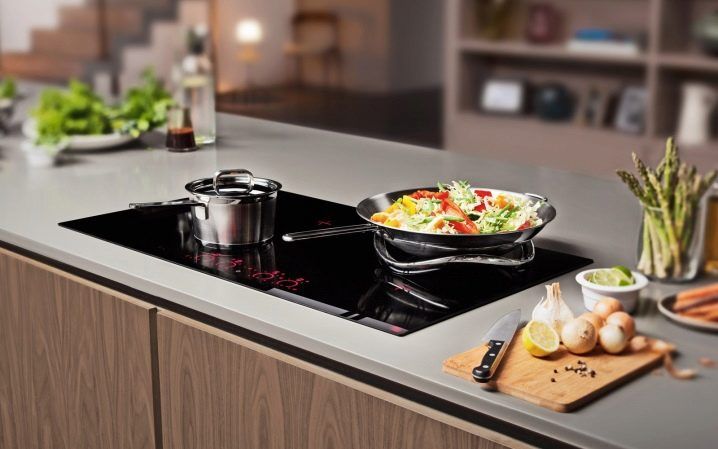
As mentioned earlier, induction cooktops only work with cookware made from magnetic materials. This means that if you already own a collection of high-end pots and pans made from non-ferrous materials like aluminum or copper, you may need to replace them to use an induction cooktop. However, there are induction-compatible cookware options available that can work with these cooktops.
2. Cost
Induction cooktops tend to be more expensive upfront compared to traditional gas or electric ranges. The cost can vary depending on the brand, model, and features, but generally, induction cooktops are an investment. That being said, the energy savings and faster cooking times can help offset the initial cost over time.
3. Noise
While induction cooktops are generally quiet, some models may produce a humming or buzzing sound, especially at higher heat settings. This is due to the electromagnetic energy and is more noticeable with certain types of cookware. While it’s not typically loud enough to be disruptive, it’s something to consider if you value complete silence while cooking.
4. Power Supply
Induction cooktops require a specific power supply to operate. Some high-end models may require a 240-volt outlet, which may not be available in all kitchens. If you’re upgrading your cooktop to an induction model, you may need to have your electrical system inspected and potentially upgraded to accommodate the new cooktop.
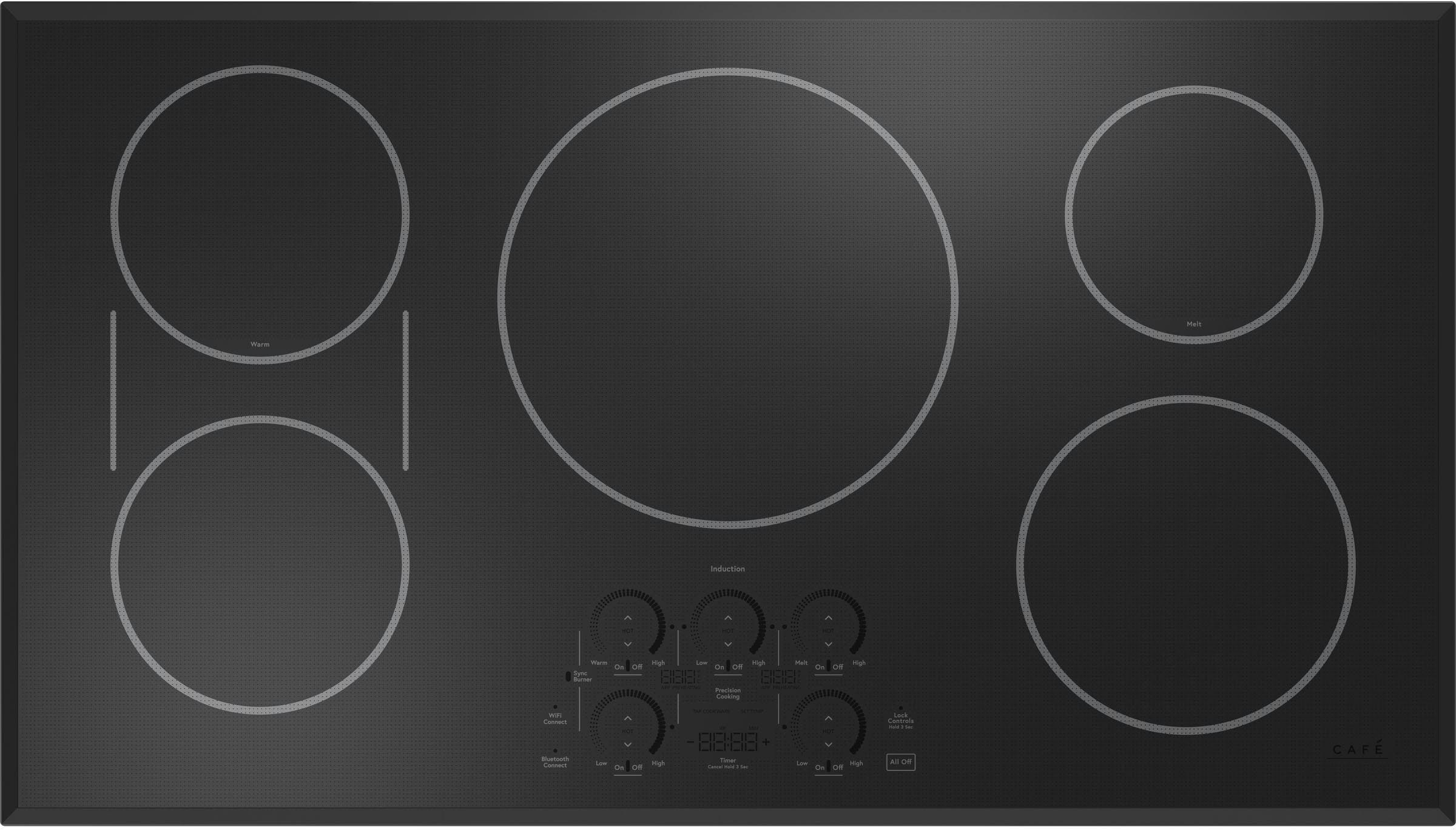
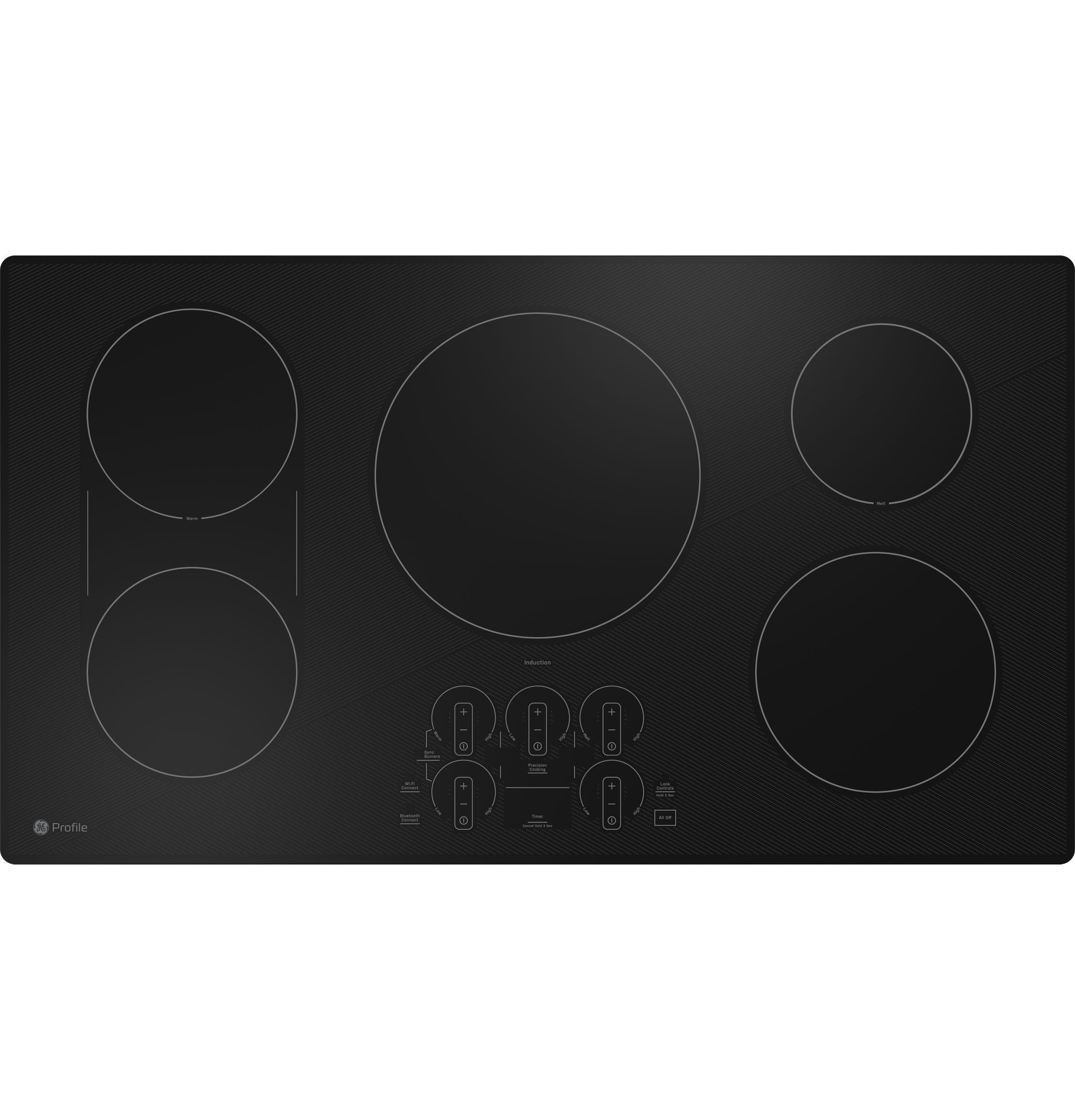
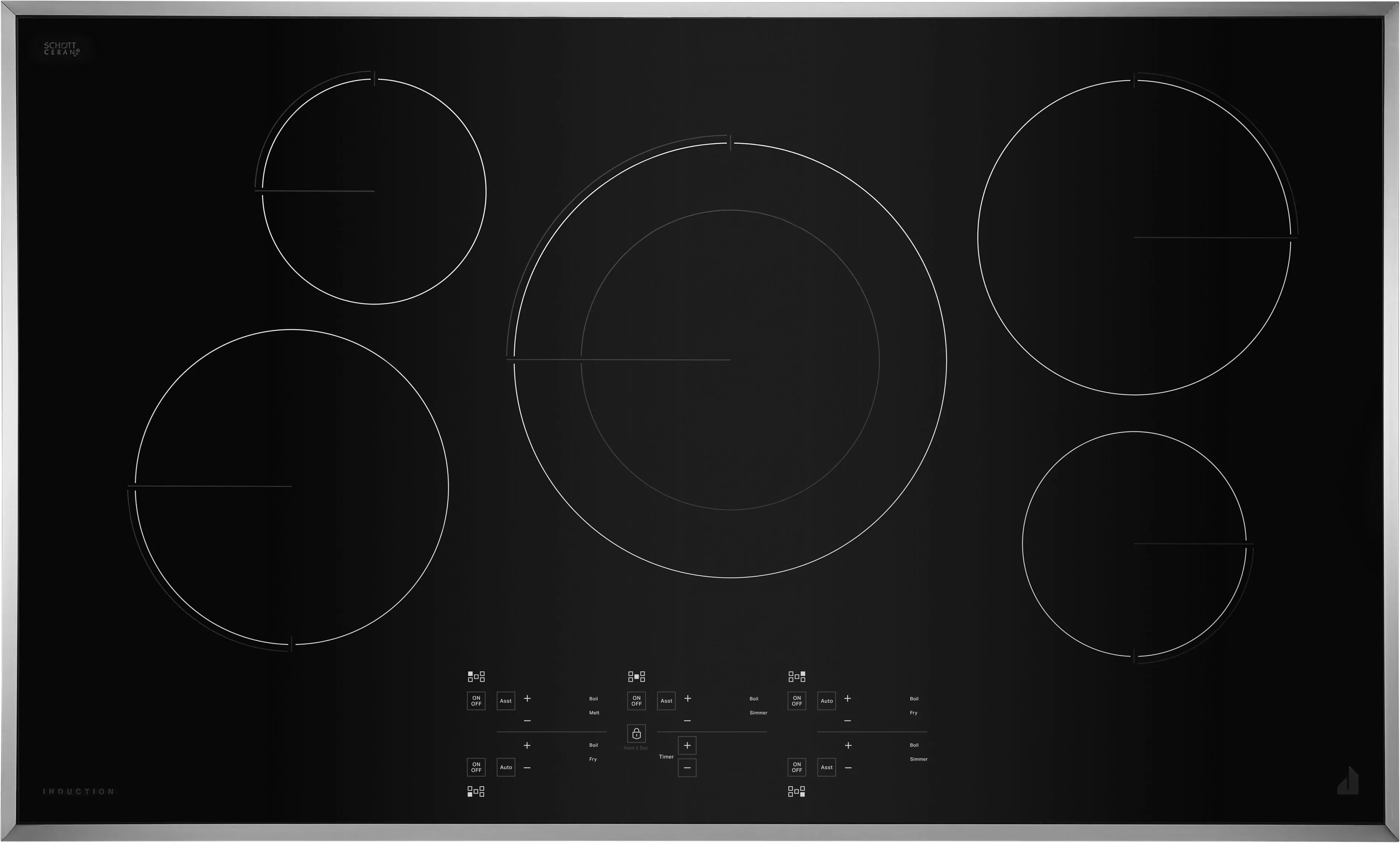
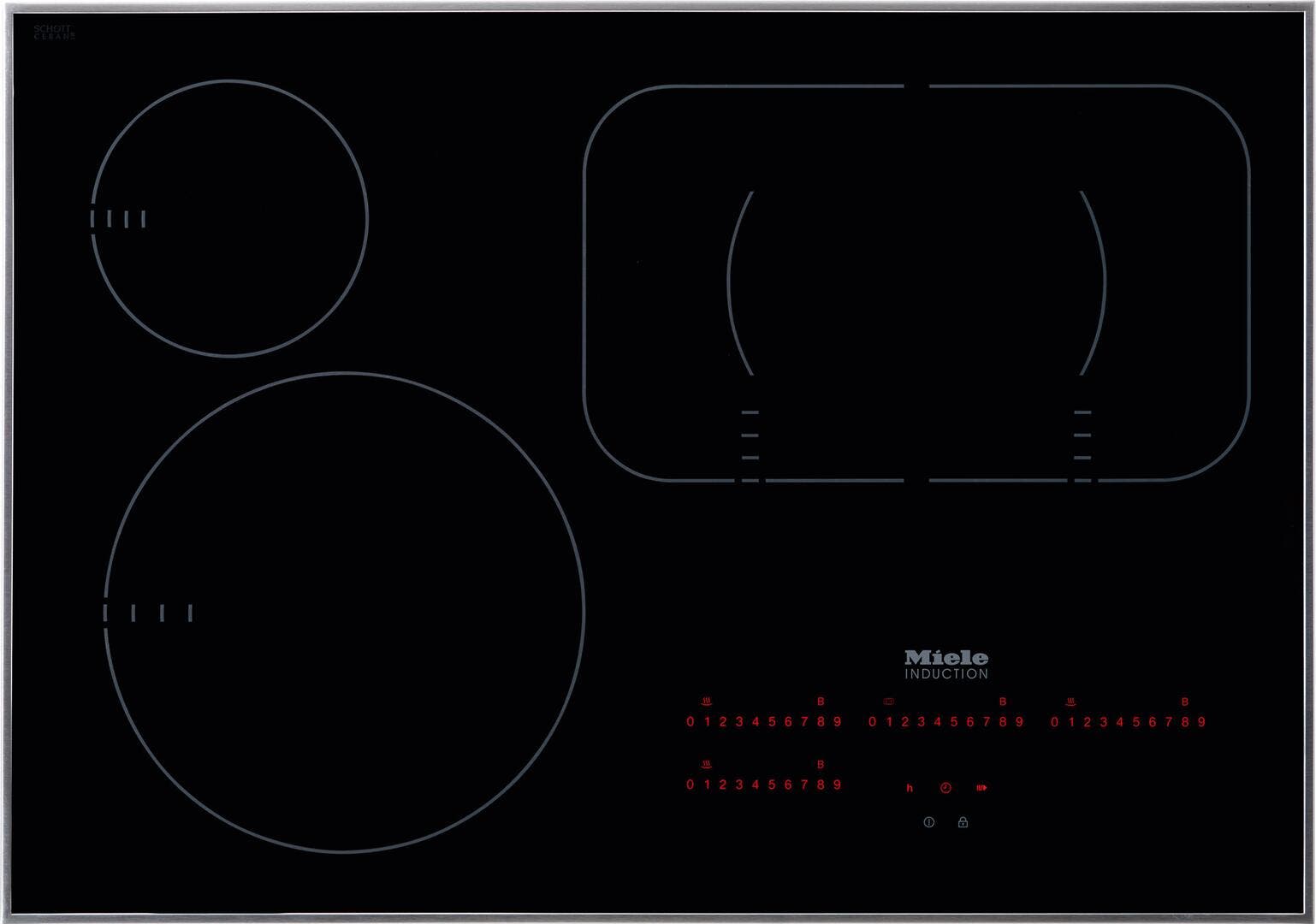
Suggested Models


Are Induction Cooktops Worth It?
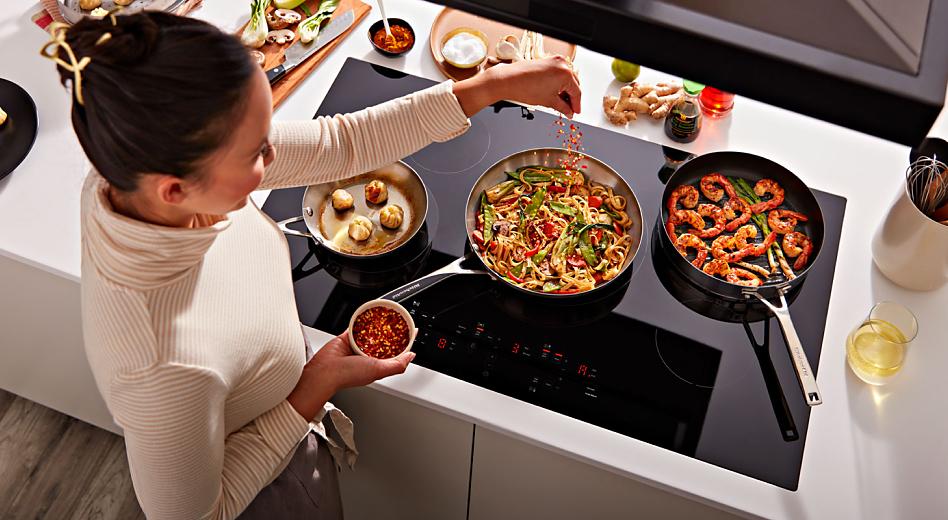
So, are induction cooktops worth it? For many, the answer is yes. Here’s why:
- Energy Efficiency: If you’re looking to save on energy bills while reducing your carbon footprint, an induction cooktop is an excellent choice. Its energy-efficient design ensures that you’re using less energy to cook your meals.
- Time Savings: If you’re often in a rush, induction cooktops will help you cook faster without sacrificing precision.
- Safety: With features like a cool surface, child safety locks, and automatic shut-off, induction cooktops offer enhanced safety compared to traditional cooking methods.
- Sleek Design: The modern, minimalist look of induction cooktops can instantly elevate the style of your kitchen.
However, if you’re on a budget, already own non-compatible cookware, or don’t mind spending extra time cooking on a traditional stove, induction may not be the best fit for you.
Ultimately, whether an induction cooktop is worth it depends on your specific needs, cooking style, and budget. For those who value speed, precision, and energy efficiency, induction cooktops can offer significant benefits and are well worth the investment.
Final Thoughts
Induction cooktops are an innovative and efficient way to cook, offering numerous benefits, from fast cooking times and precise control to safety and ease of cleaning. While the upfront cost and cookware requirements may be drawbacks, the long-term energy savings and cooking advantages can make them a worthwhile investment for many home chefs. If you’re looking to upgrade your kitchen and enjoy a more modern cooking experience, an induction cooktop is definitely worth considering.
FAQs
1. How do induction cooktops work?
Induction cooktops use electromagnetic energy to heat cookware directly. When a compatible pot or pan is placed on the cooktop, an electric current passes through a coil beneath the surface, creating a magnetic field. This field induces an electrical current in the cookware, generating heat directly in the pot or pan, while the cooktop surface remains relatively cool.
2. What types of cookware are compatible with induction cooktops?
Cookware must be made of ferrous (magnetic) materials to work with induction cooktops. Suitable options include cast iron, stainless steel, and enamel-coated steel. A simple way to check compatibility is to see if a magnet sticks to the bottom of your cookware; if it does, it's induction-ready.
3. Are induction cooktops more energy-efficient than gas or electric ones?
Yes, induction cooktops are more energy-efficient. They have an energy efficiency of about 84%, compared to 70% for traditional electric cooktops and 40% for gas cooktops. This efficiency leads to faster cooking times and reduced energy consumption.
4. Do induction cooktops offer precise temperature control?
Absolutely. Induction cooktops provide instant and precise temperature adjustments. When you change the heat setting, the temperature change is immediate, making them ideal for delicate cooking tasks like simmering sauces or melting chocolate.
5. Are induction cooktops safe to use?
Yes, they are considered safer than traditional cooktops. Since the heat is generated directly in the cookware, the cooktop surface remains cool, reducing the risk of burns. Many models also feature safety elements like automatic shut-off, child locks, and timers.
Take Your Appliance
Knowledge from Good to Great
Just Ask Al is your go-to expert platform to connect, share, and learn — together. Join the Community on Facebook to get expert insights, tips, and more.
Collaborate with fellow appliance enthusiasts today!
38,000+ members and growing
Join the community today—everyone is welcome!


Take Your Appliance Knowledge With You On The Go!
Just Ask Al is your go-to expert platform to connect, share, and learn — together. Join the Community on Facebook to get expert insights, tips, and more.
Collaborate with fellow appliance enthusiasts today!