Portable Air Conditioners: Pros, Cons & Best Models
This article was generated using AI and reviewed by a human editor for quality and accuracy.
As the summer heat intensifies, staying cool becomes a priority. For those who don’t want the hassle or cost of a central air system, portable air conditioners are an excellent alternative. Offering flexibility, convenience, and ease of use, these devices can cool a room effectively without the need for installation. However, like any appliance, portable AC units come with their own set of advantages and challenges. In this post, we’ll explore the pros and cons of portable air conditioners and highlight some of the best models available on the market in 2025.
What is a Portable Air Conditioner?
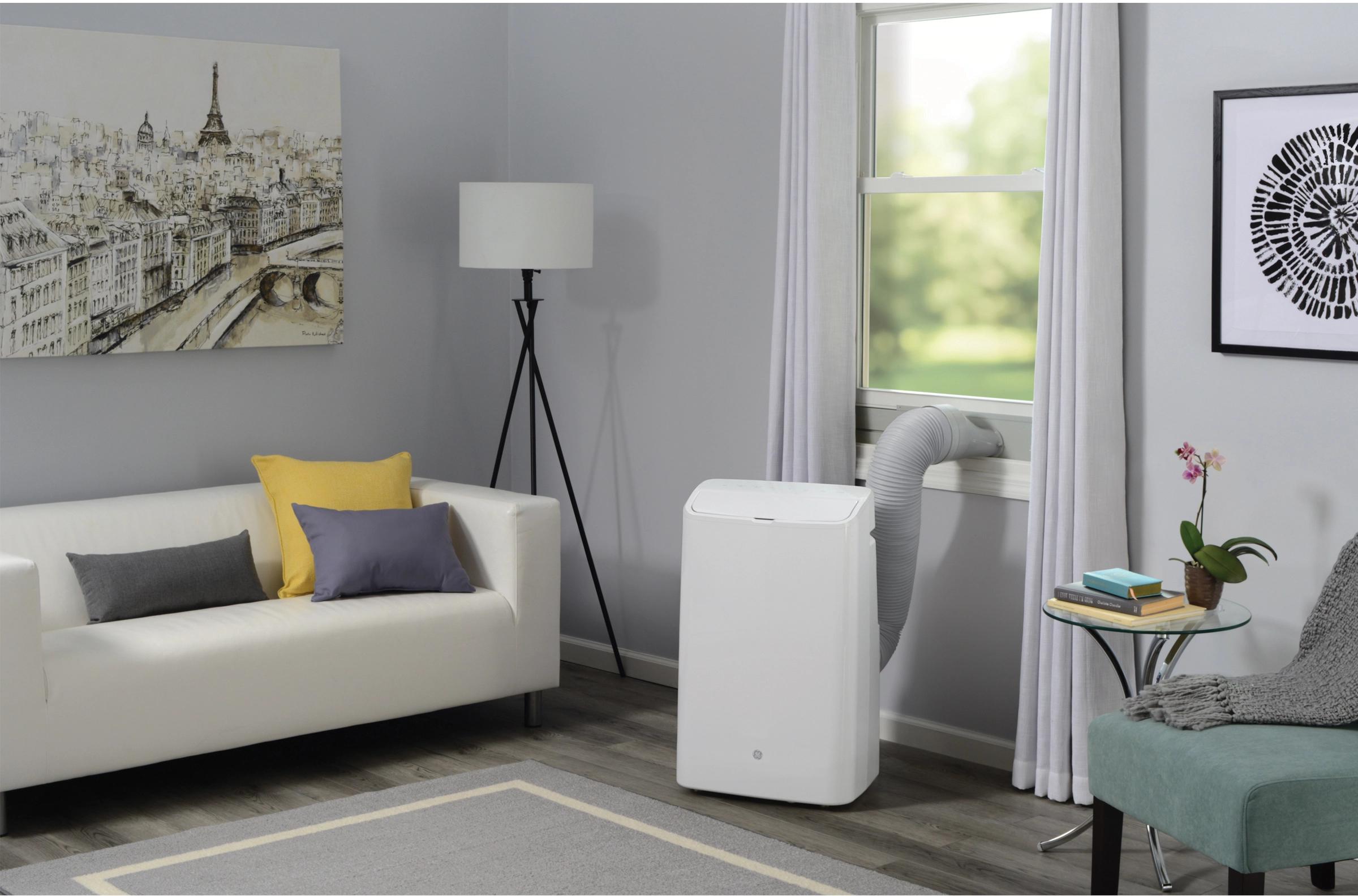
A portable air conditioner is a self-contained unit that cools the air in a room or space. Unlike traditional window units or central AC systems, portable units are designed to be easily moved from room to room, providing localized cooling wherever you need it most. These units typically consist of a compressor, evaporator, and condenser, and they expel heat outside through an exhaust hose that must be vented through a window or sliding door.
Pros of Portable Air Conditioners
- Ease of Installation: One of the most significant advantages of a portable air conditioner is its easy installation. Unlike window units or split systems that require professional installation, portable AC units typically only need a window vent kit, which is included with the unit. This makes them ideal for renters or anyone who wants a quick solution without the need for permanent installation.
- Portability: As the name suggests, portable air conditioners are highly mobile. This allows you to move them from room to room or even between different floors of your home, providing targeted cooling exactly where you need it. This is particularly useful in homes with multiple rooms or spaces that don’t have built-in cooling.
- Space-Saving: Portable AC units are compact and can be stored away when not in use. Their small footprint means they won’t take up valuable floor space or block windows, making them an ideal option for apartments or smaller homes where space is limited.
- Cost-Effective: While not as efficient as central air systems, portable air conditioners can still be a cost-effective way to cool a single room. If you only need cooling in one room or during certain times of the day, using a portable AC is generally cheaper than running a central air system.
- Dehumidification: Many portable AC units offer built-in dehumidification features, which help remove moisture from the air. This is especially beneficial in humid climates where the combination of heat and humidity can be uncomfortable. Some models also allow you to control the level of dehumidification separately from the cooling function.
Cons of Portable Air Conditioners
- Limited Cooling Capacity: Portable air conditioners are designed to cool smaller spaces, typically ranging from 100 to 500 square feet. If you have a large open floor plan or multiple rooms that need cooling, a portable unit may not be powerful enough to handle the job efficiently.
- Noise: While some portable units are quieter than others, most will produce a noticeable level of noise during operation. This is especially true for lower-priced models or units that lack advanced noise-reduction technology. The noise level can be a significant drawback if you plan to use the unit in a bedroom or other quiet space.
- Ventilation Requirements: Portable AC units must be vented through a window or sliding door to expel the hot air they remove from the room. This means that you’ll need to set up and maintain the exhaust hose, which can be cumbersome and limit the placement of the unit. Additionally, you’ll lose the use of the window where the hose is vented.
- Energy Efficiency: While portable air conditioners can be cost-effective, they are generally less energy-efficient than other cooling options. Many models use a lot of electricity to operate, which can lead to higher utility bills if used frequently. If energy efficiency is a top priority, be sure to choose a model with a high SEER (Seasonal Energy Efficiency Ratio) rating.
- Water Drainage: Some portable air conditioners have a built-in reservoir that collects the condensation produced during cooling. Depending on the model, you may need to manually empty this reservoir on a regular basis. Some units have a continuous drain option, but that typically requires additional plumbing setup.
Best Portable Air Conditioner Models for 2025
1. GE APCD08JASW Portable Air Conditioner
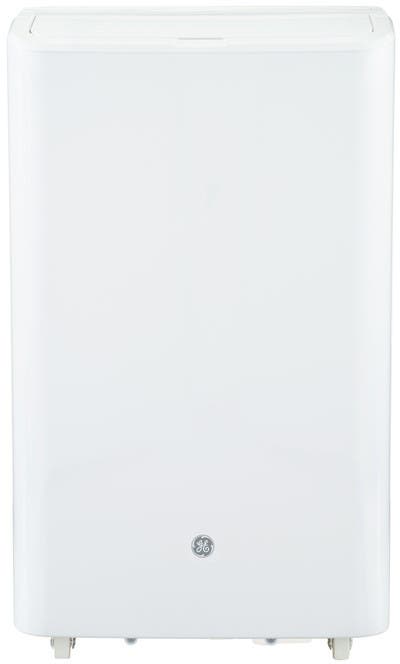
- Cooling Capacity: 8,000 BTU
- Pros: Compact design, quiet operation, energy-efficient with an eco-friendly refrigerant, easy installation.
- Cons: Cooling capacity may not be sufficient for larger rooms.
- Why It's Great: The GE APCD08JASW is perfect for smaller spaces like bedrooms or office rooms. It offers quiet cooling with a sleek design and is an affordable option for those looking to cool individual rooms.
2. LG LP0821GSSM Portable Air Conditioner
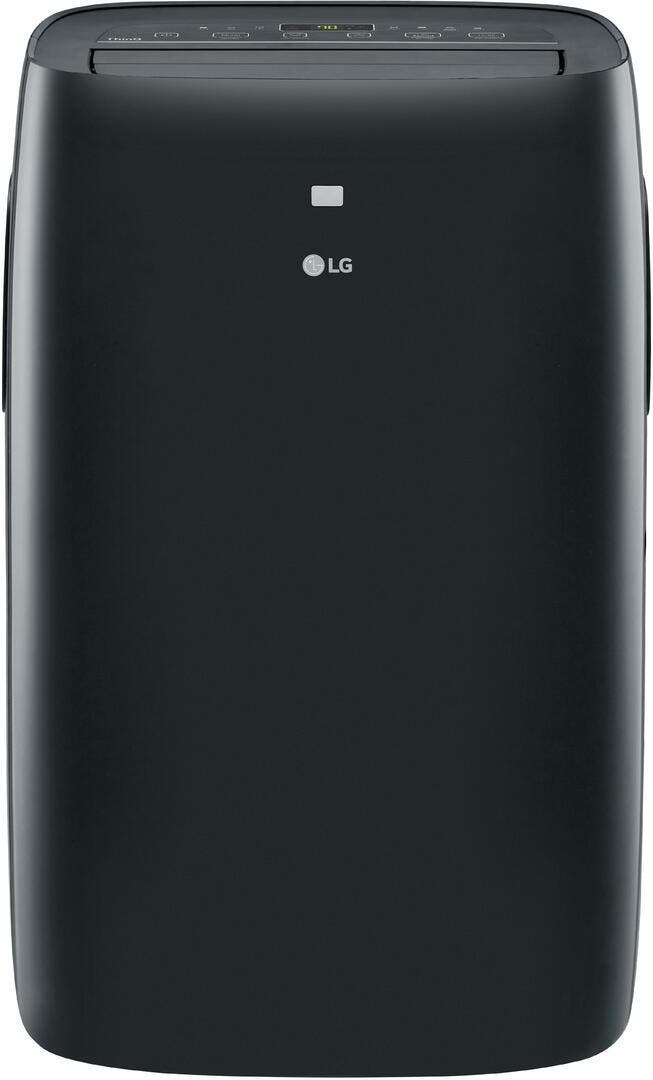
- Cooling Capacity: 8,000 BTU
- Pros: Smart home compatibility with LG's ThinQ app, easy setup, dehumidifying function.
- Cons: Best suited for smaller rooms, may struggle to cool large open spaces.
- Why It's Great: This model features smart connectivity, allowing you to control your air conditioner remotely through your phone. It's energy-efficient and offers both cooling and dehumidifying functions, ideal for medium-sized rooms.
3. Friedrich ZCP12SA Portable Air Conditioner
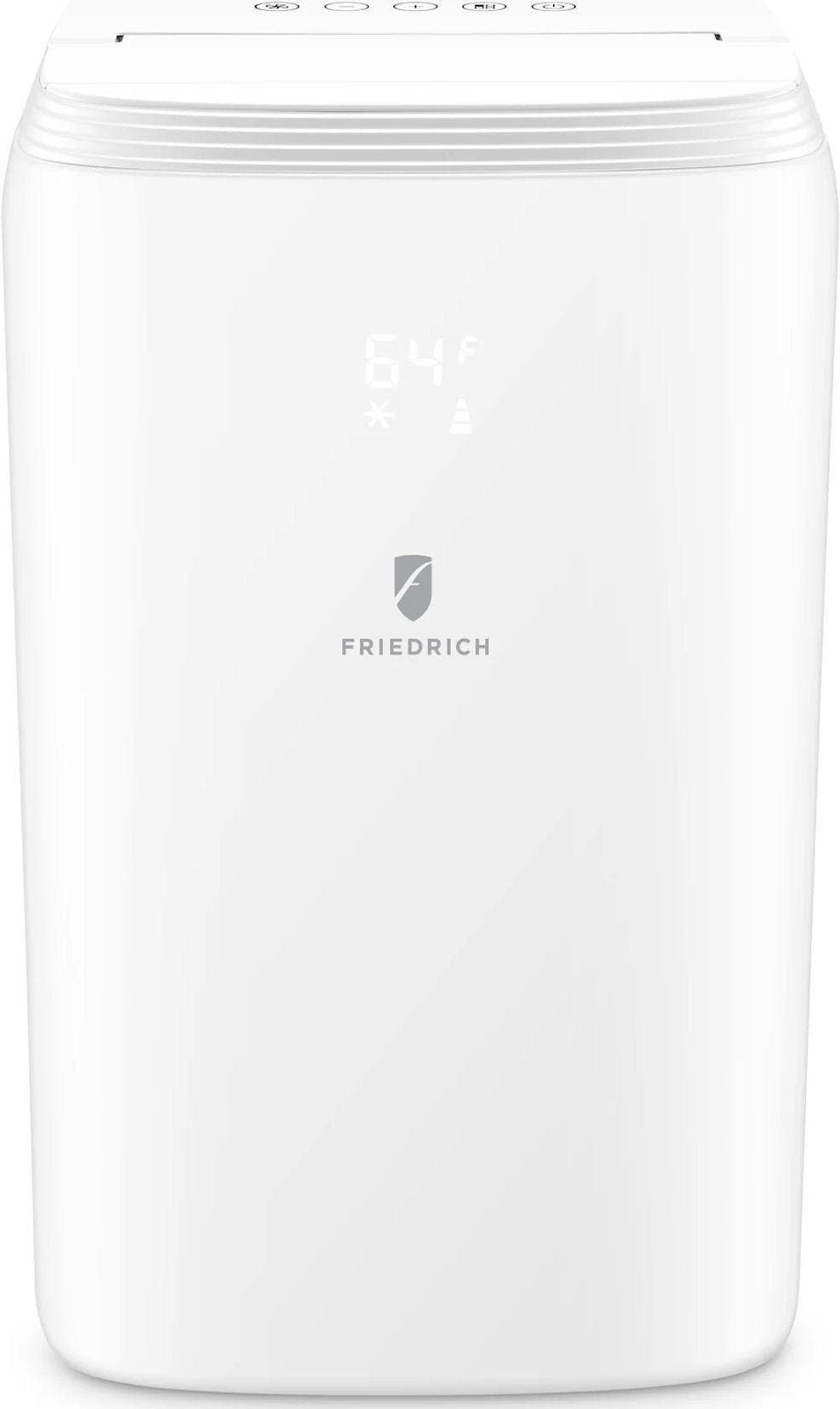
- Cooling Capacity: 12,000 BTU
- Pros: High cooling capacity for medium-sized rooms, quiet operation, dehumidifier mode, and energy-efficient.
- Cons: Larger size, which may not be suitable for smaller spaces.
- Why It's Great: The Friedrich ZCP12SA offers impressive cooling performance and is perfect for larger rooms. Its quiet operation and efficient dehumidifying features make it a top choice for those who need powerful, reliable cooling.
4. Haier QPWA14YZMW Portable Air Conditioner
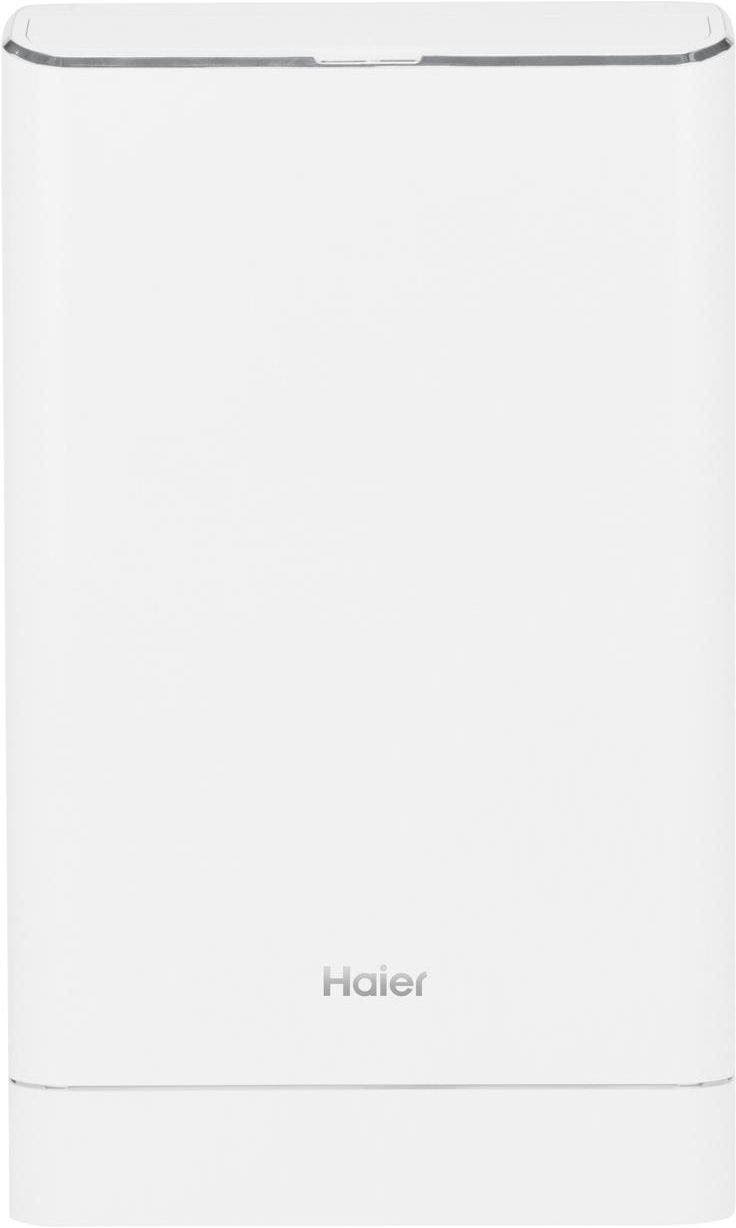
- Cooling Capacity: 14,000 BTU
- Pros: High cooling capacity, dehumidification, smart features with Wi-Fi, and easy-to-install window kit.
- Cons: It can be a bit noisy at full cooling power.
- Why It's Great: The Haier QPWA14YZMW is one of the most powerful models available, capable of cooling large rooms quickly. Its smart Wi-Fi features allow remote control, while its dehumidifying capabilities make it a great option for humid climates.
Final Thoughts
Portable air conditioners offer a convenient and cost-effective way to stay cool during the hot summer months. While they may not be as powerful or energy-efficient as central air systems, they excel in portability and ease of installation, making them a great option for renters, small spaces, or anyone who needs to cool specific areas of their home. By considering the pros and cons, as well as selecting one of the best models available, you can find the ideal portable air conditioner to keep your space comfortable all season long.
FAQs
1. How do portable air conditioners work?
Portable air conditioners work by drawing in warm air from the room, cooling it using refrigerant, and then expelling the heat outside through an exhaust hose that is vented through a window. These units often also come with a dehumidification function to help reduce moisture in the air, improving overall comfort.
2. Do portable air conditioners need to be vented outside?
Yes, portable air conditioners need to be vented outside to expel the hot air they remove from the room. This is typically done using an exhaust hose that must be connected to a window or sliding door. Most models come with a venting kit for easy setup.
3. Can portable air conditioners cool multiple rooms?
Portable air conditioners are generally designed to cool a single room or a small, enclosed space. While some models are more powerful and may work in larger areas, they are not suitable for cooling multiple rooms at the same time. If you need cooling for more than one room, you may need to move the unit from room to room or consider a more robust solution.
4. How loud are portable air conditioners?
The noise level of portable air conditioners can vary depending on the model and its cooling capacity. On average, portable AC units range from 50 to 70 decibels, which is comparable to the sound of a normal conversation to a vacuum cleaner. Some high-end models are designed to operate more quietly, but noise is still a consideration when choosing a portable AC.
5. How much energy do portable air conditioners use?
Portable air conditioners are generally less energy-efficient than other cooling systems, such as central air conditioning. However, modern models tend to feature energy-saving settings, like eco-mode or timers, which help reduce energy consumption. It's important to check the SEER (Seasonal Energy Efficiency Ratio) rating of the unit to gauge its efficiency.




Take Your Appliance
Knowledge from Good to Great
Just Ask Al is your go-to expert platform to connect, share, and learn — together. Join the Community on Facebook to get expert insights, tips, and more.
Collaborate with fellow appliance enthusiasts today!
38,000+ members and growing
Join the community today—everyone is welcome!
Take Your Appliance Knowledge With You On The Go!
Just Ask Al is your go-to expert platform to connect, share, and learn — together. Join the Community on Facebook to get expert insights, tips, and more.
Collaborate with fellow appliance enthusiasts today!