The Evolution of Smart Home Technology: What’s Next?
This article was generated using AI and reviewed by a human editor for quality and accuracy.
Smart home technology has revolutionized our interaction with appliances, enhancing convenience, energy efficiency, and security. This blog will explore the evolution of smart home technology, its current advancements, and future possibilities for smart appliances.
The Early Days of Smart Appliances
Smart home technology began with basic automation tools like programmable thermostats and light timers, allowing users to schedule operations for convenience. The introduction of Wi-Fi-enabled appliances allowed remote access and control via smartphones.
These appliances, including refrigerators, ovens, and washing machines, featured digital interfaces with options like delayed starts and energy-saving modes. However, their lack of interconnectivity limited their overall functionality.
The Rise of Connected Appliances
The Internet of Things (IoT) has made smart home appliances more advanced. These devices can now communicate and be controlled through hubs like Amazon Alexa, Google Assistant, and Apple HomeKit. Key advancements include:
Smart Refrigerators:
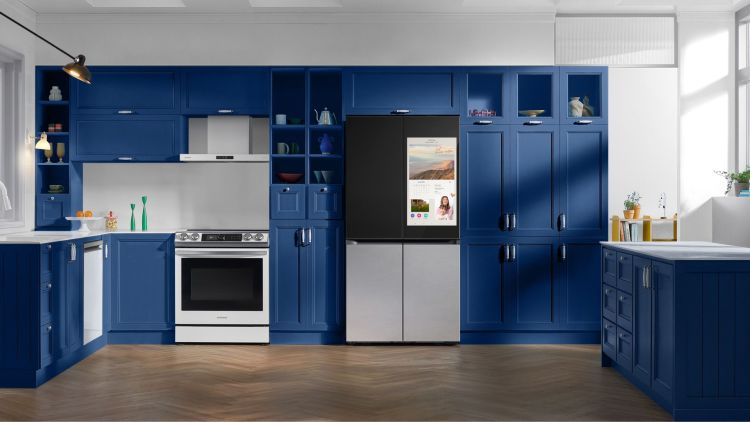
LG and Samsung have introduced refrigerators with touchscreens, internal cameras, and inventory tracking. Users can check expiration dates, create shopping lists, and even watch TV on the fridge door.
Wi-Fi-Enabled Ovens and Ranges:
Smart ovens from Miele and Thermador let users control settings via mobile apps, receive notifications when food is ready, and access pre-programmed recipes.
Connected Laundry Machines:
Whirlpool and LG washing machines feature remote start/stop, automatic detergent dispensers, and voice assistant compatibility for hands-free operation.
AI and Machine Learning Integration
The next major advancement in smart home appliances was the integration of artificial intelligence (AI). AI-powered devices could analyze usage patterns and adjust for better performance.
Smart Dishwashers:
Bosch and Miele offer dishwashers with sensors that adjust water pressure and detergent based on the dirt level on dishes.
AI-Powered Refrigerators:
LG's Smart InstaView refrigerators suggest recipes based on ingredients, track food consumption, and alert users when items are low.
Adaptive Cooking Technology:
Wolf and Cafe ovens use AI to monitor cooking in real time, automatically adjusting temperature and time to prevent undercooking or overcooking.
Voice Control and Hands-Free Operation
Voice assistants like Amazon Alexa, Google Assistant, and Apple Siri have transformed how users interact with appliances, allowing control through simple voice commands instead of manual operation.
Here are some examples of voice-activated appliances:
Voice-Activated Coffee Makers
Brew coffee with simple voice commands, no buttons needed.
Smart Microwaves
GE microwaves can be controlled hands-free with voice commands.
Hands-Free Laundry
Samsung and LG washing machines allow users to start or adjust cycles using voice commands.
Energy Efficiency and Sustainability
As concerns over energy consumption and environmental impact have grown, smart home technology has adapted to promote sustainability. Manufacturers are now focusing on eco-friendly features to optimize energy use and minimize waste.
Energy-Efficient Refrigerators:
Modern refrigerators from True Residential and Perlick use AI to optimize cooling cycles, keeping food fresh while using less energy.
Water-Saving Dishwashers and Washing Machines:
Smart dishwashers and washing machines detect load sizes and soil levels to use the right amount of water and detergent, reducing waste and costs.
What’s Next for Smart Home Appliances?
The future of smart home technology is advancing, with appliances becoming more intuitive and interconnected.
1. Fully Automated Kitchens
AI-powered kitchen appliances will collaborate for seamless cooking. Smart refrigerators will suggest meals based on available ingredients, ovens will preheat automatically, and dishwashers will adjust settings based on the dishes loaded.
2. Predictive Maintenance and Self-Repairing Technology
Future appliances will feature predictive maintenance that alerts users to potential malfunctions. Some brands are testing self-repairing technology to run diagnostics and order replacement parts automatically.
3. Robotic Assistants and Smart Sensors
Robotic assistants will manage routine tasks, while advanced smart sensors will learn user preferences to optimize appliance functions.
4. Enhanced Security and Privacy
To address security concerns, future smart appliances will include encryption, biometric authentication, and AI-driven threat detection.
5. Smart Home Energy Grids
Homes will become more energy-efficient with smart energy grids that optimize electricity use, allowing appliances to operate during non-peak hours to reduce utility bills.
Final Thoughts
The evolution of smart home appliances has been remarkable. From basic programmable features to advanced AI-driven automation, smart technology is reshaping modern living. Innovations will make our homes more efficient and interconnected, promoting a smarter and more sustainable lifestyle.
FAQ
Q: Are smart appliances worth the investment?
A: Yes, they offer convenience, energy savings, and features that traditional appliances lack, ultimately lowering utility costs.
Q: Do smart appliances need an internet connection?
A: Many smart features require Wi-Fi, but most appliances operate manually without it.
Q: Are smart home appliances secure from hacking?
A: Manufacturers enhance security with encryption, and users should follow best practices like updating firmware and using strong passwords.
Q: Will AI eventually take over all household tasks?
A: AI can automate many tasks, but human oversight will still be necessary for maintenance and decision-making.
Q: Which brands lead in smart home appliances?
A: Brands like Miele, Bosch, Thermador, LG, Wolf, and Café are leading smart home innovation with AI and IoT integration.
Take Your Appliance
Knowledge from Good to Great
Just Ask Al is your go-to expert platform to connect, share, and learn — together. Join the Community on Facebook to get expert insights, tips, and more.
Collaborate with fellow appliance enthusiasts today!
38,000+ members and growing
Join the community today—everyone is welcome!

Take Your Appliance Knowledge With You On The Go!
Just Ask Al is your go-to expert platform to connect, share, and learn — together. Join the Community on Facebook to get expert insights, tips, and more.
Collaborate with fellow appliance enthusiasts today!