The Future of Home Appliances: Trends & Innovations to Watch
This article was generated using AI and reviewed by a human editor for quality and accuracy.
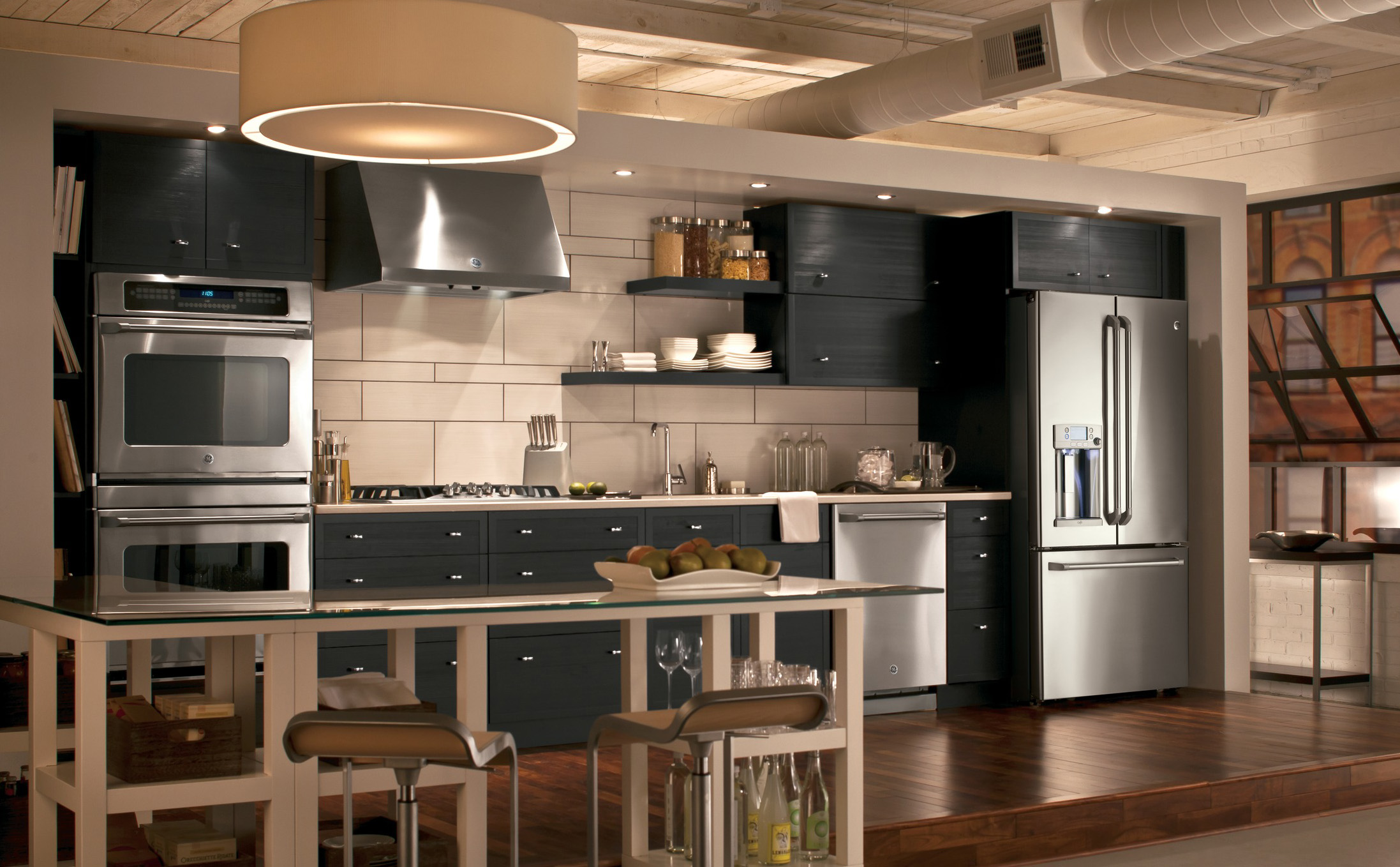
As technology continues to evolve, so too does the world of home appliances. From smarter kitchens to energy-efficient solutions, home appliances are becoming more advanced and integral to our daily lives. The next few years will bring exciting innovations that will transform how we cook, clean, and care for our homes. Here are some of the top trends and innovations to watch in the future of home appliances.
Smart Appliances: The Rise of the Connected Home
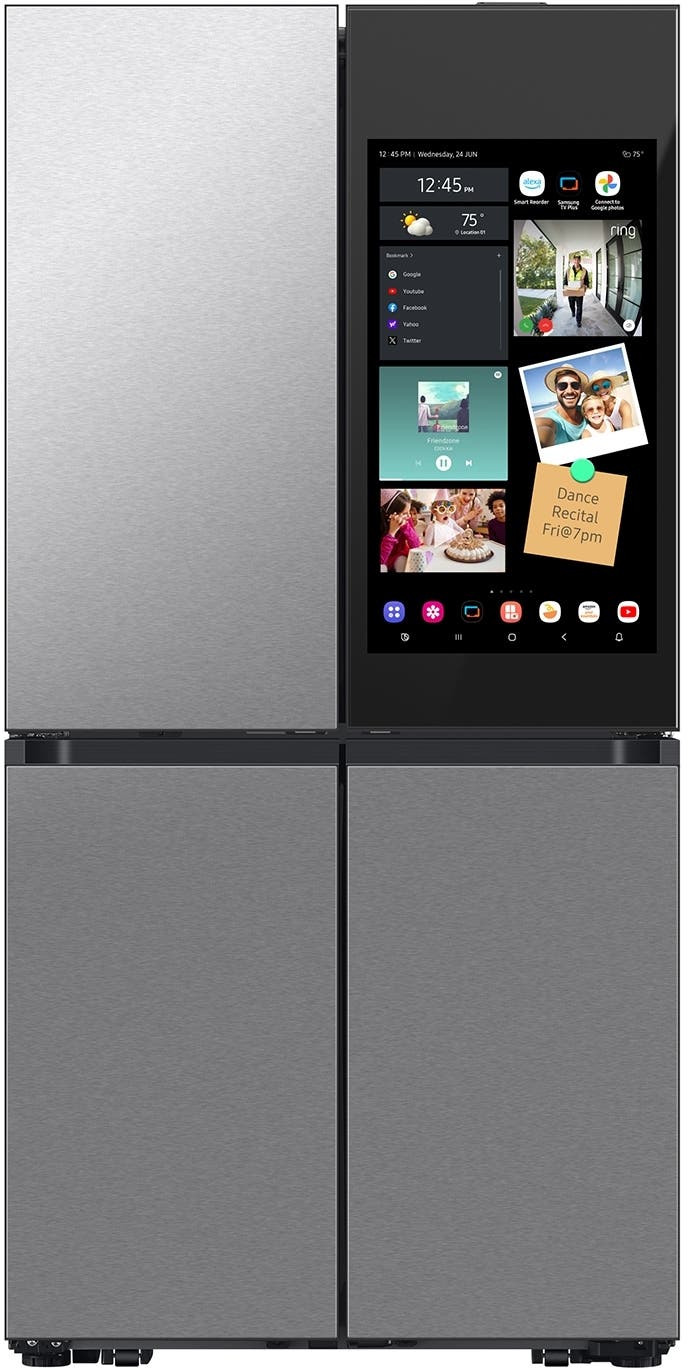
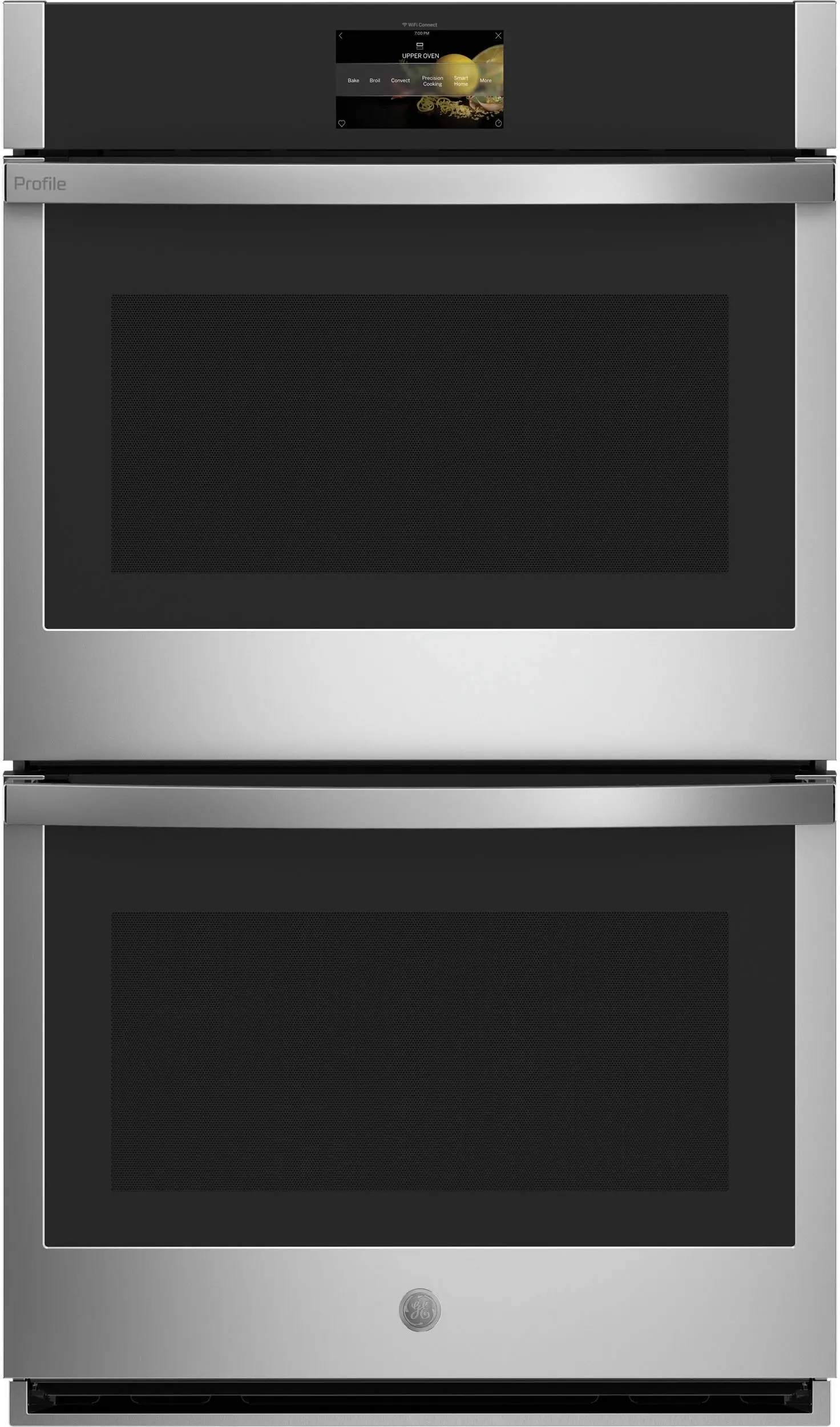
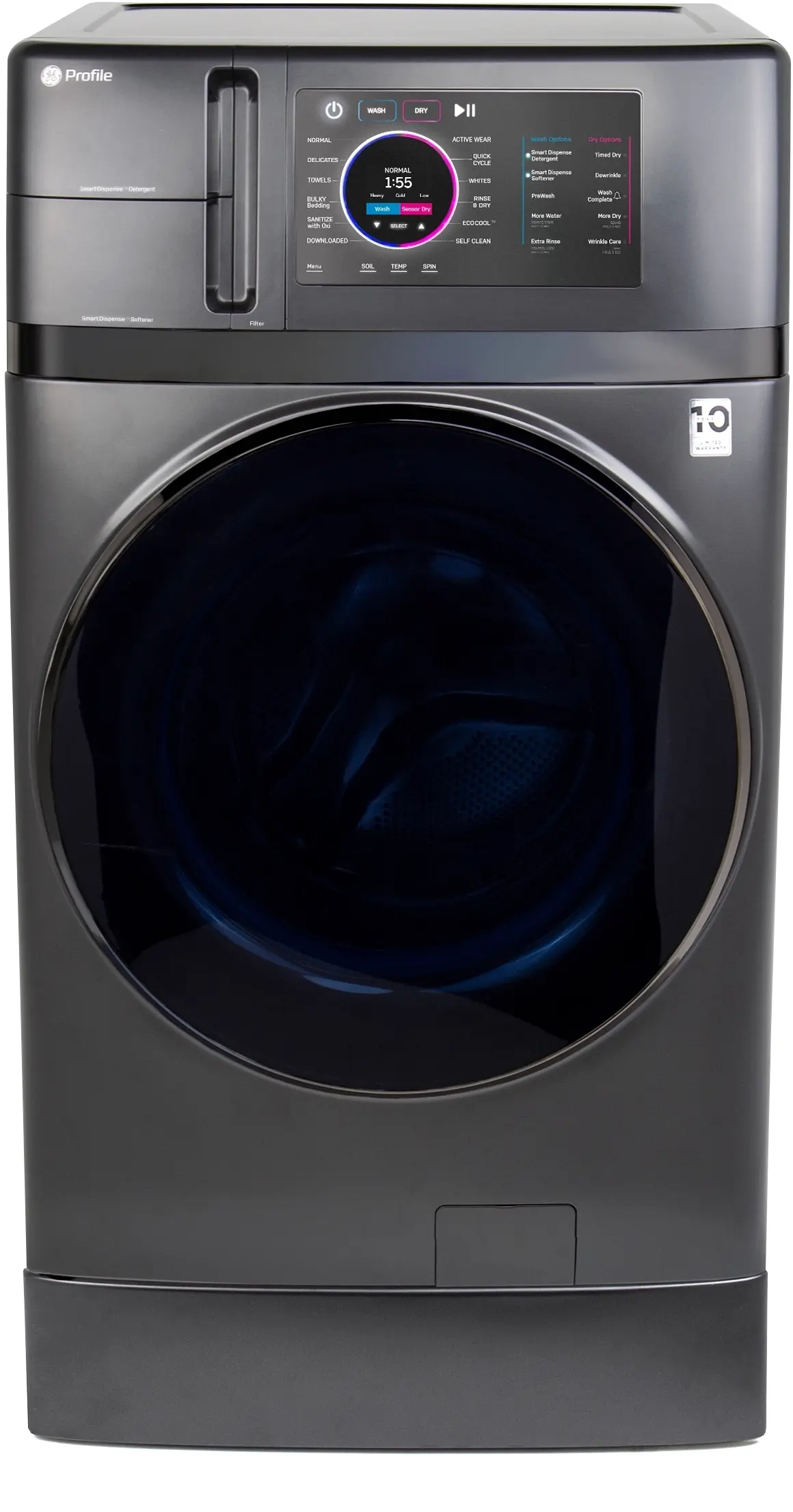
The future of home appliances is all about connectivity. As smart home systems grow, appliances are becoming easier to control and more efficient. You can already preheat ovens from your phone, have your fridge track your grocery list, or start a laundry cycle from anywhere. With voice assistants like Alexa, Google Assistant, and Apple HomeKit, managing appliances is as simple as speaking. Even smarter AI features are on the way—designed to learn your habits and make life even more convenient.
Sustainability and Energy Efficiency

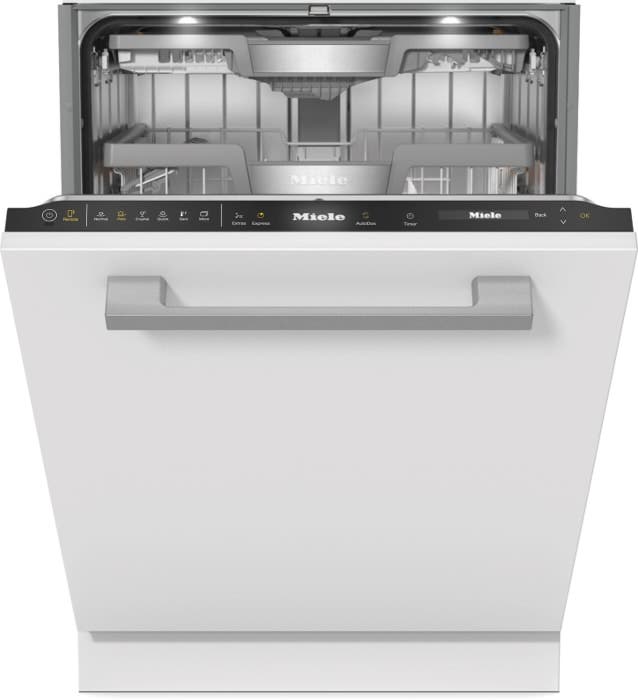
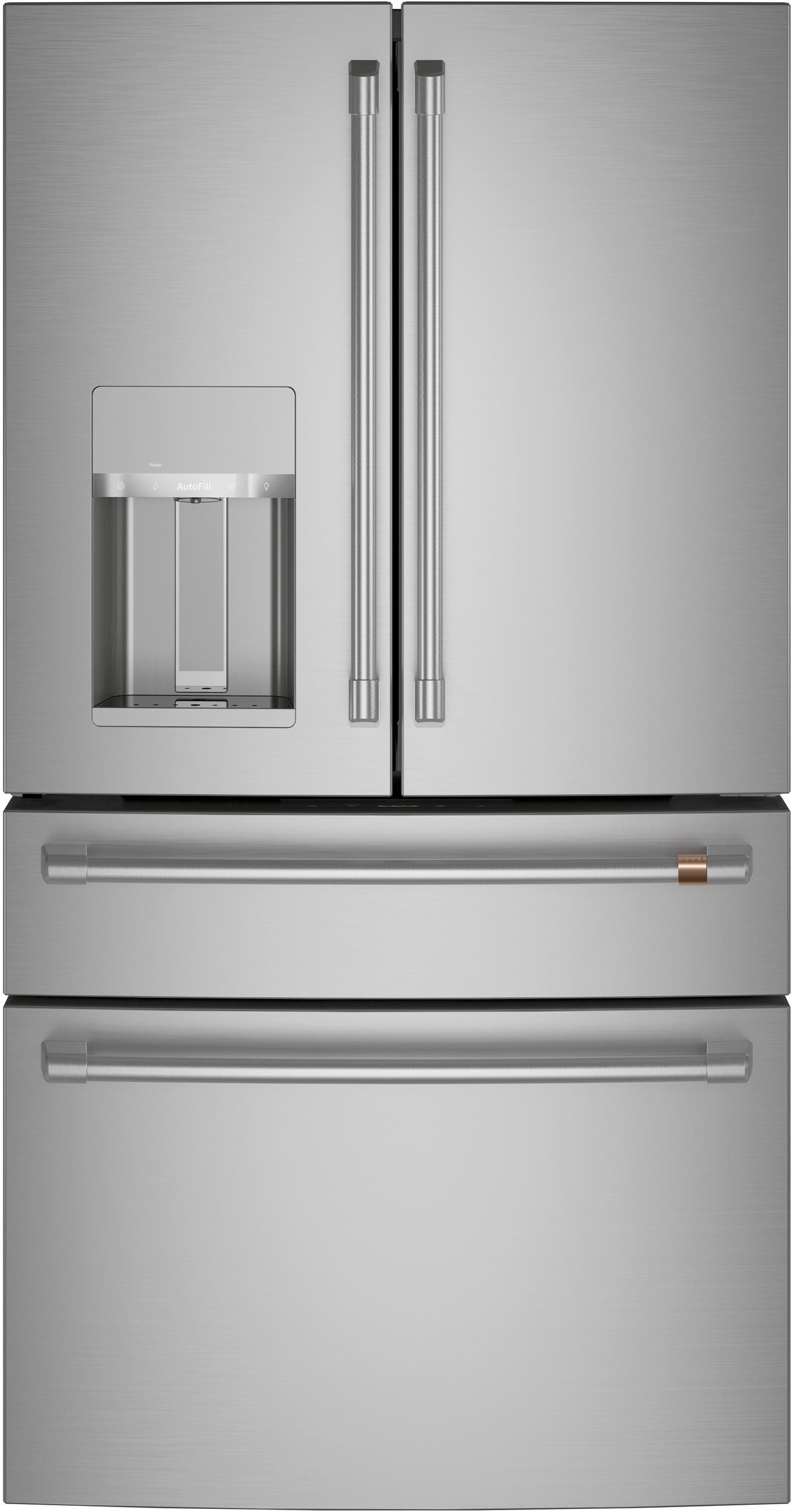
Energy-efficient appliances are becoming even more important as consumers focus on sustainability. Manufacturers are creating products that use less water, energy, and resources. Technologies like induction cooking are growing in popularity, and we’ll continue to see more eco-friendly options that reduce environmental impact.
Advanced Cooking Technology
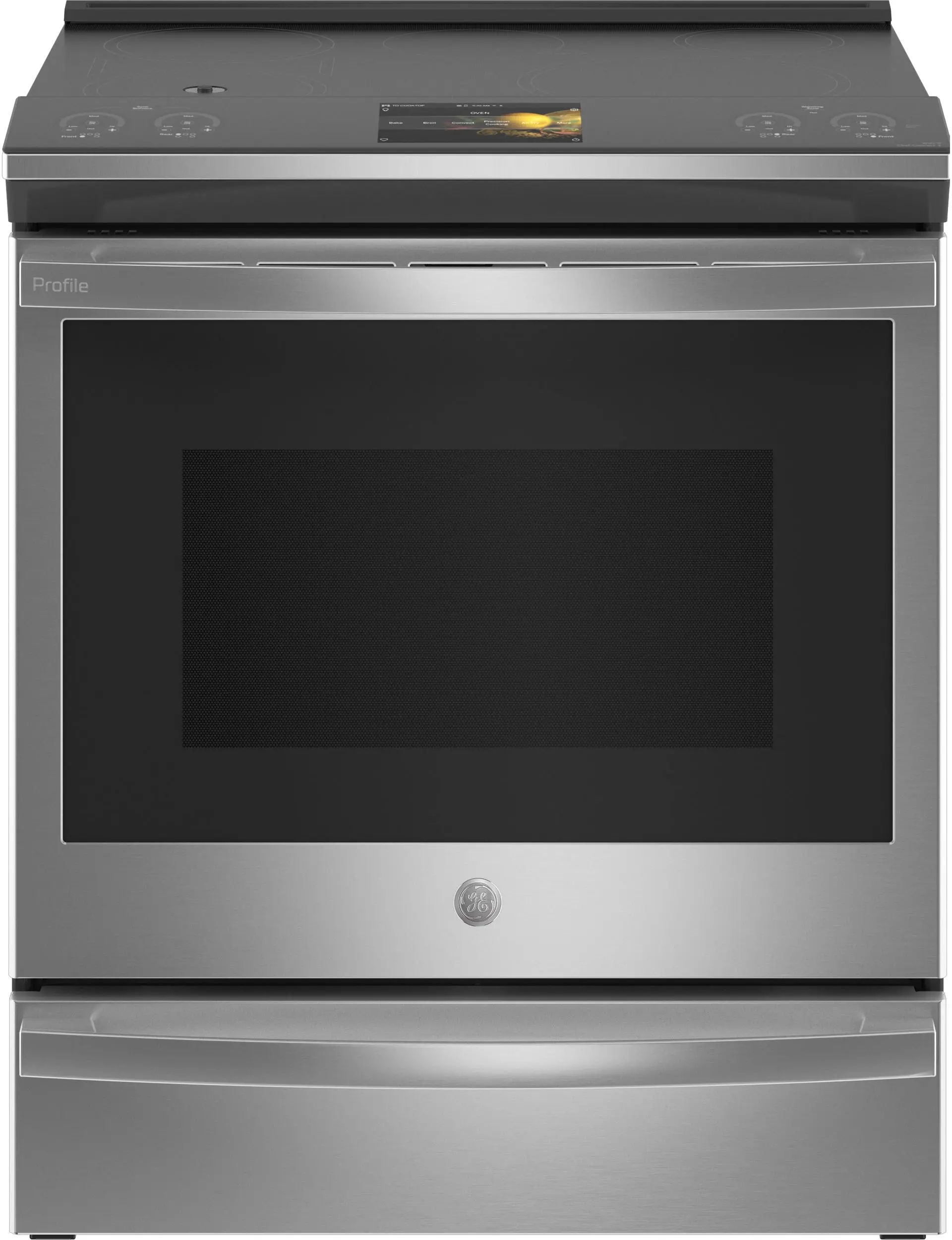
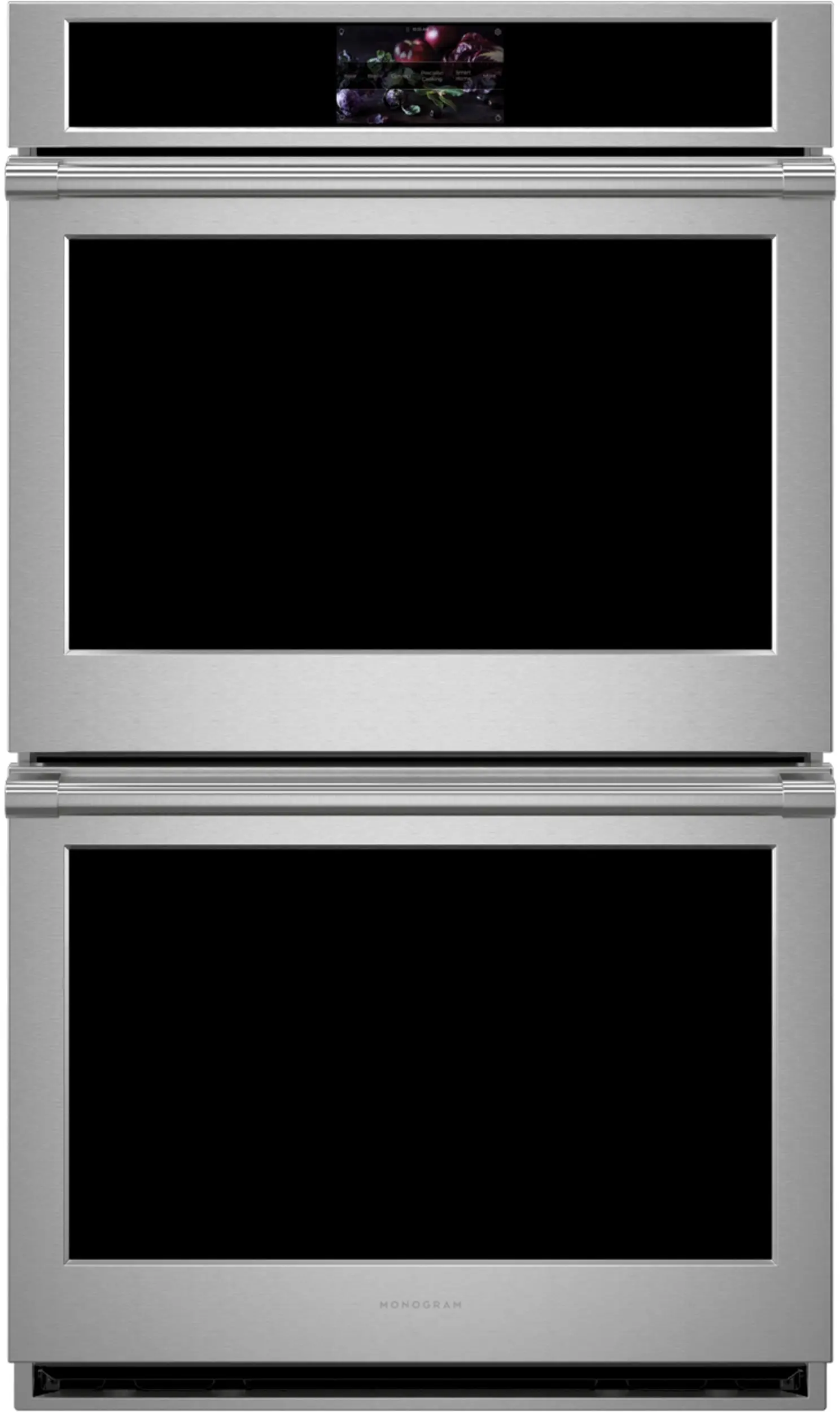
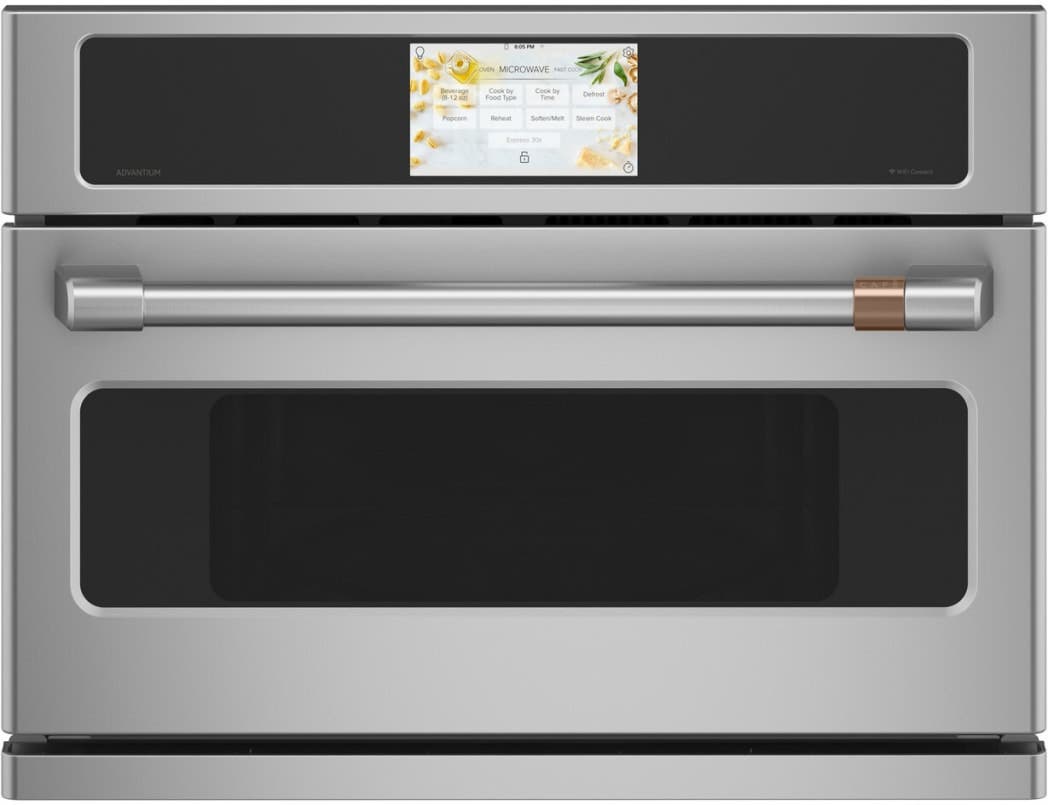
Home cooking is evolving with new tech. Induction ranges have changed the game, and upcoming appliances will offer even more smart features. Think ovens that adjust cooking times and temperatures automatically, or suggest meals based on your fridge contents. Expect more advanced steam and convection ovens, too.
Health-Focused Appliances
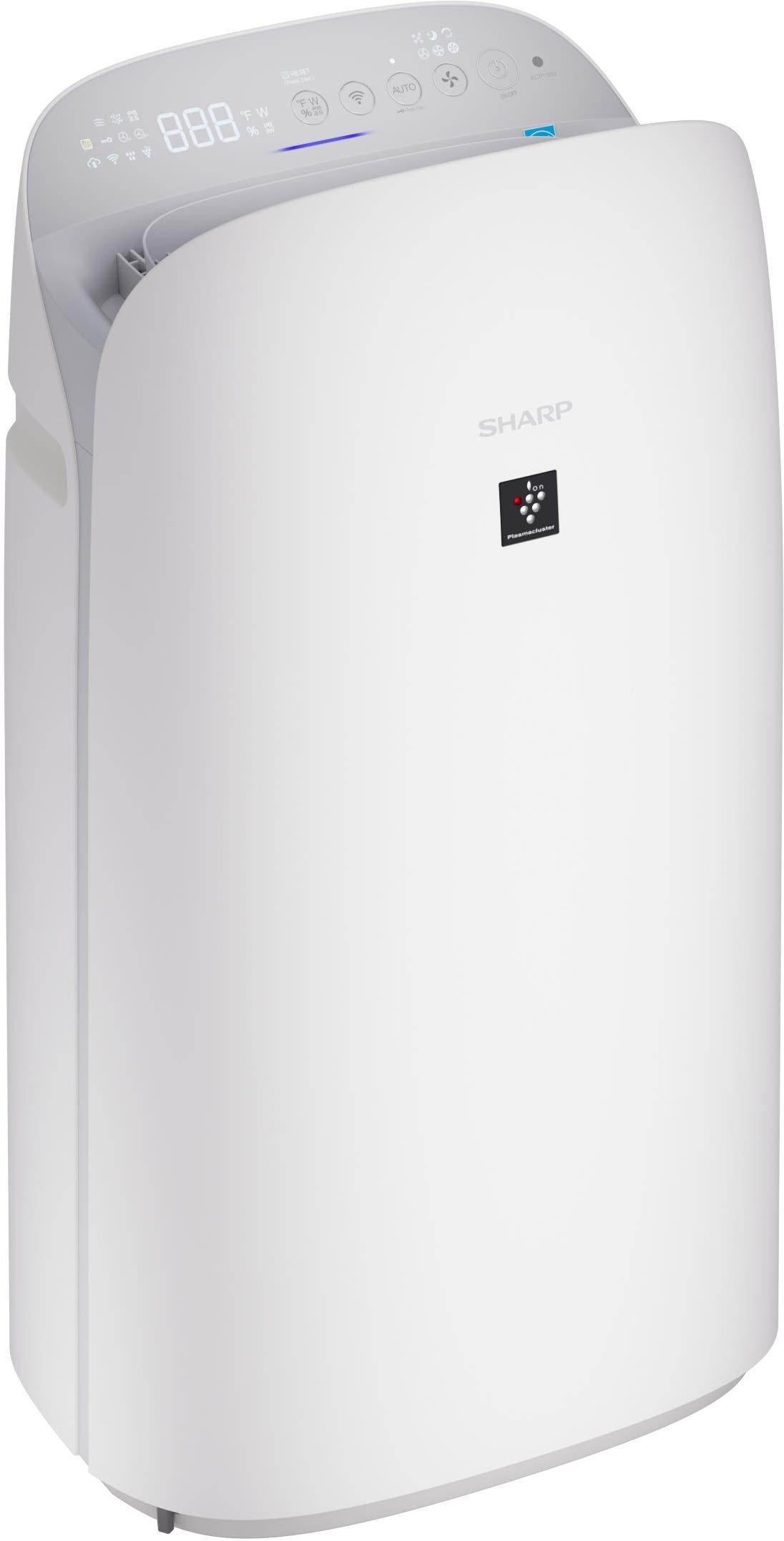
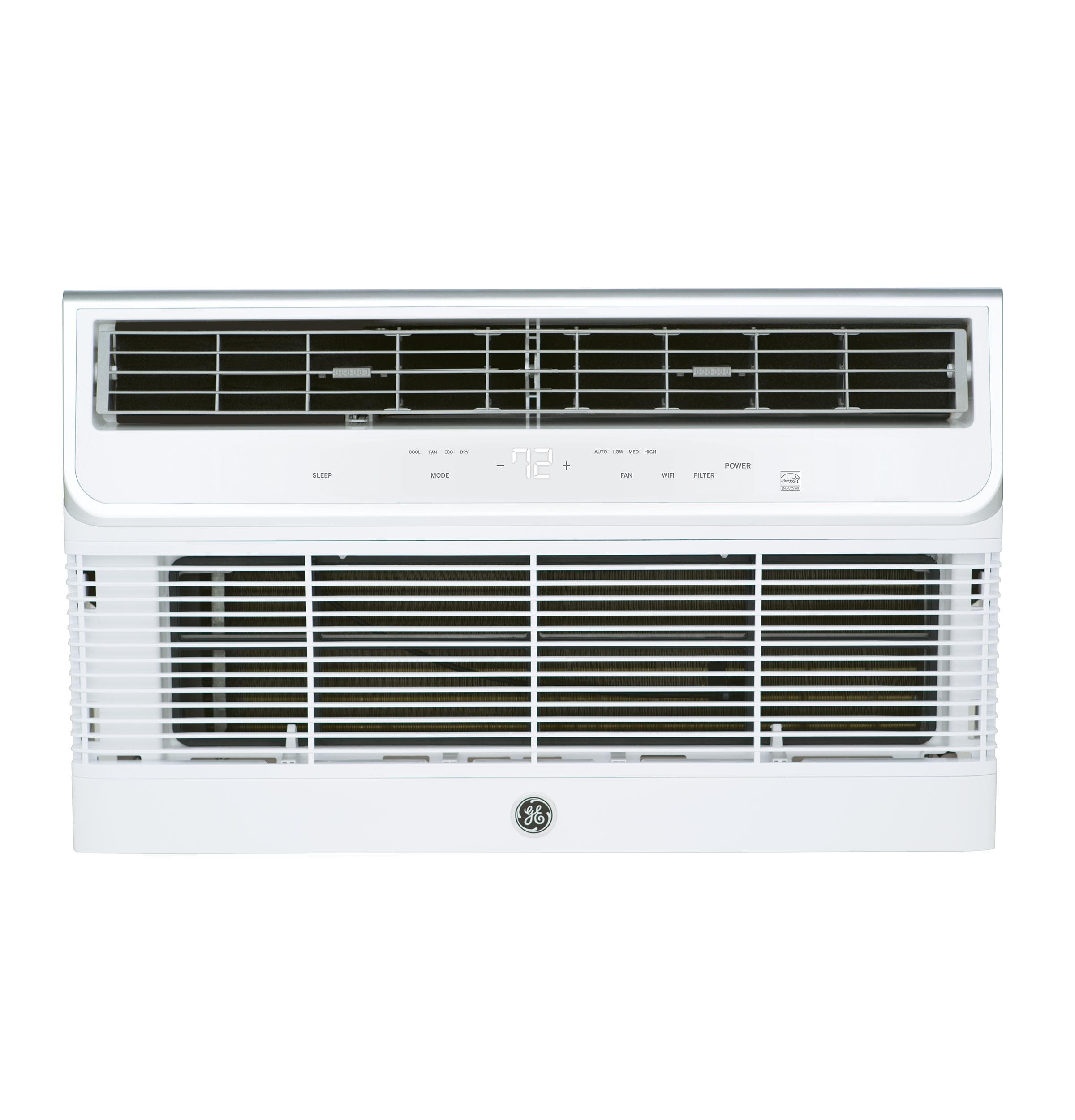
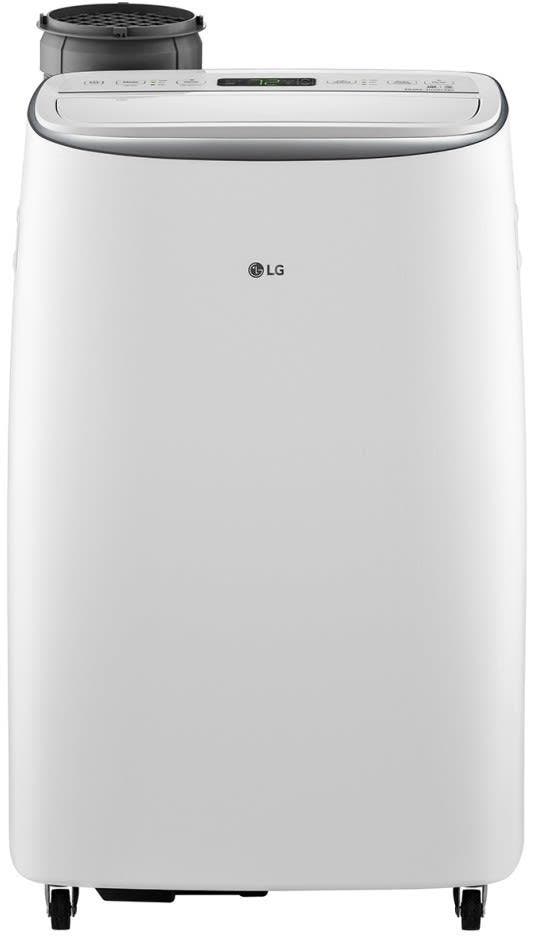
More appliances are being designed with health in mind. Smart fridges can track food freshness and recommend healthier meals. Air and water purifiers are also improving, helping to protect your home from toxins and pollutants. Future products will further support healthy living at home.
Customizable and Modular Appliances

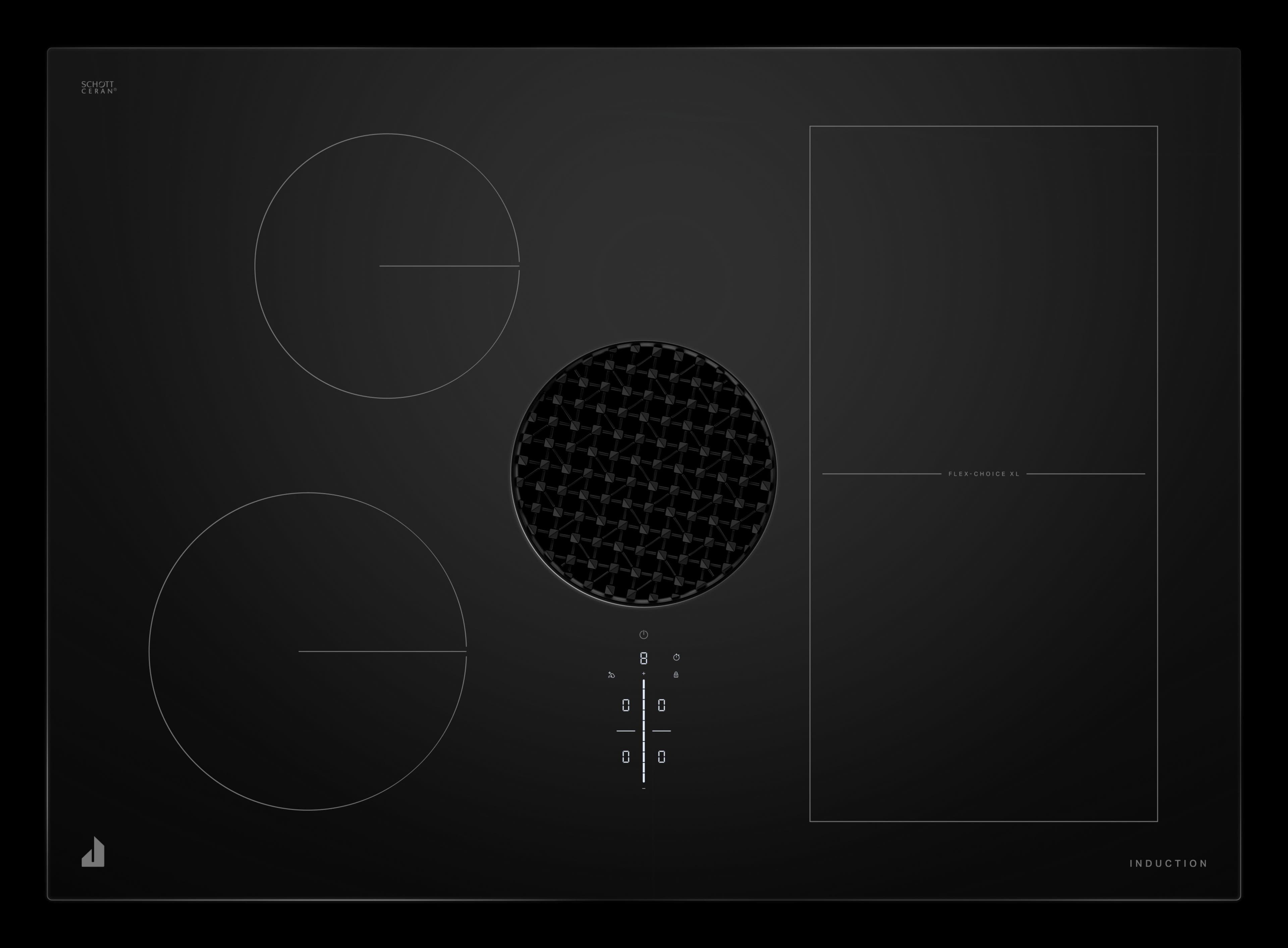
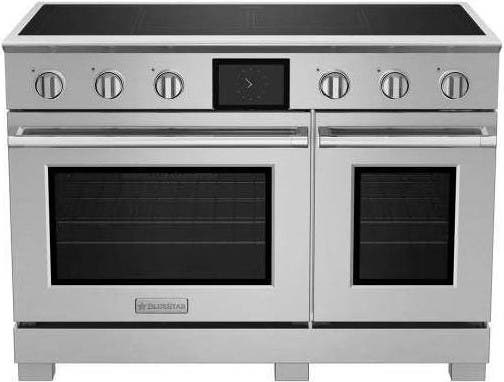
Personalized appliances are on the rise. Modular designs let you change things up based on your space and needs—like adding extra fridge drawers or mixing gas and induction burners. Expect more appliances that offer flexibility and custom features.
Enhanced Laundry Solutions

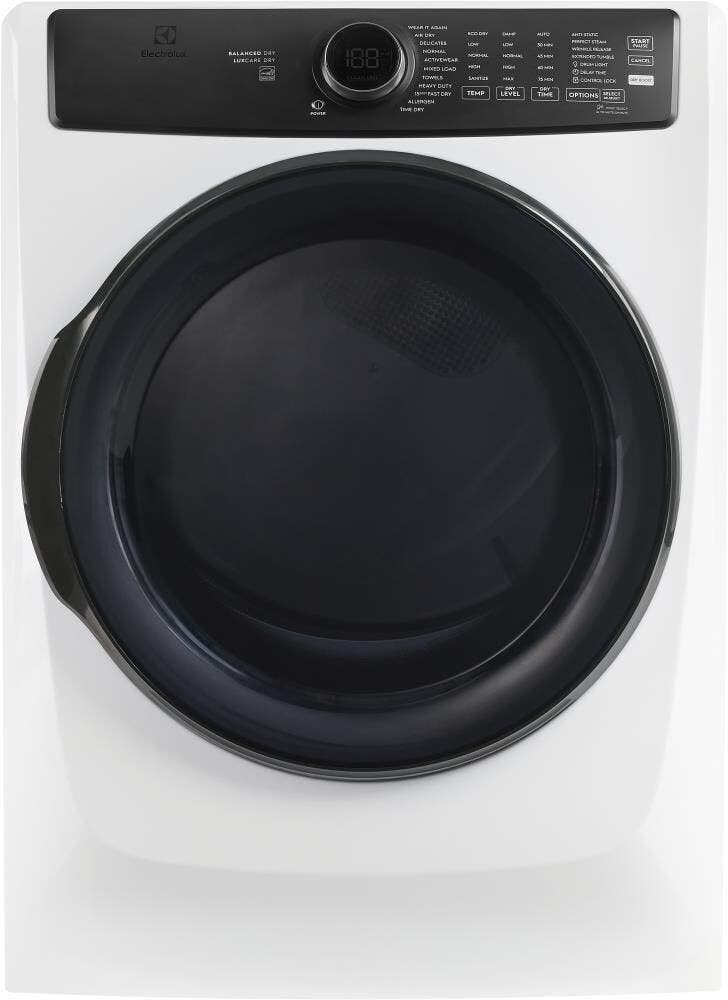
Laundry is getting smarter and more efficient. Washers now adjust water use to match the load, and dryers detect moisture to avoid over-drying. Soon, machines may sanitize with steam or sync with smart home systems to optimize cycles. Expect quieter, more energy-saving laundry appliances ahead.
Smart Refrigeration and Food Preservation
Refrigerators are becoming high-tech tools. Touchscreens, cameras, and smart inventory tracking are just the start. Future fridges may use vacuum-sealing or precision cooling to keep food fresher longer and could even order groceries or suggest recipes automatically.
The Integration of Artificial Intelligence
AI is changing how we use appliances. It helps machines learn your habits, boost efficiency, and make smart decisions—like a dishwasher choosing the best cycle or a stove adjusting heat as you cook. AI will make appliances more intuitive and hands-free than ever before.
Final Thoughts
Home appliances are getting smarter, greener, and more connected. From simplifying daily tasks to promoting health and sustainability, the next generation of appliances will transform everyday living. And this is just the beginning.
FAQs
1. What are smart appliances?
Smart appliances are devices that connect to the internet and can be controlled remotely using smartphones, tablets, or voice commands. They can also communicate with other smart devices in your home, allowing for enhanced convenience and automation. Examples include smart refrigerators, ovens, washing machines, and vacuums.
2. How do energy-efficient appliances help the environment?
Energy-efficient appliances use less energy, water, and resources compared to traditional models, reducing their environmental impact. They contribute to lowering carbon emissions, conserving natural resources, and reducing your energy bills.
3. What role will robots play in the future of home appliances?
Robots will take on tasks that require automation, such as vacuuming, dishwashing, laundry folding, and even cooking. As robotic technology advances, these appliances will become smarter, faster, and more efficient at completing everyday chores.
4. How will AI change home appliances?
AI will make home appliances more autonomous, responsive, and adaptable. For example, appliances will learn user preferences, optimize their performance, and even anticipate needs to improve convenience and efficiency.
5. What is augmented reality (AR) and how will it be used in appliances?
AR technology overlays digital content onto the physical world, offering interactive experiences. In home appliances, AR can assist with tasks such as cooking by displaying recipes or providing step-by-step guides. It can also be used in smart refrigerators or washing machines for easier management and troubleshooting.
Take Your Appliance
Knowledge from Good to Great
Just Ask Al is your go-to expert platform to connect, share, and learn — together. Join the Community on Facebook to get expert insights, tips, and more.
Collaborate with fellow appliance enthusiasts today!
38,000+ members and growing
Join the community today—everyone is welcome!

Take Your Appliance Knowledge With You On The Go!
Just Ask Al is your go-to expert platform to connect, share, and learn — together. Join the Community on Facebook to get expert insights, tips, and more.
Collaborate with fellow appliance enthusiasts today!