The Future of Smart Homes: AI, Automation & Connectivity

This article was generated using AI and reviewed by a human editor for quality and accuracy.
As we move further into the 21st century, the concept of a smart home is no longer a futuristic dream—it’s quickly becoming a reality for millions of homeowners. With advancements in artificial intelligence (AI), automation, and connectivity, smart homes are transforming the way we live, making our environments more intuitive, efficient, and comfortable. But what does the future hold for smart homes? Let’s take a look at how AI, automation, and connectivity are shaping the homes of tomorrow.
The Rise of AI in Smart Homes
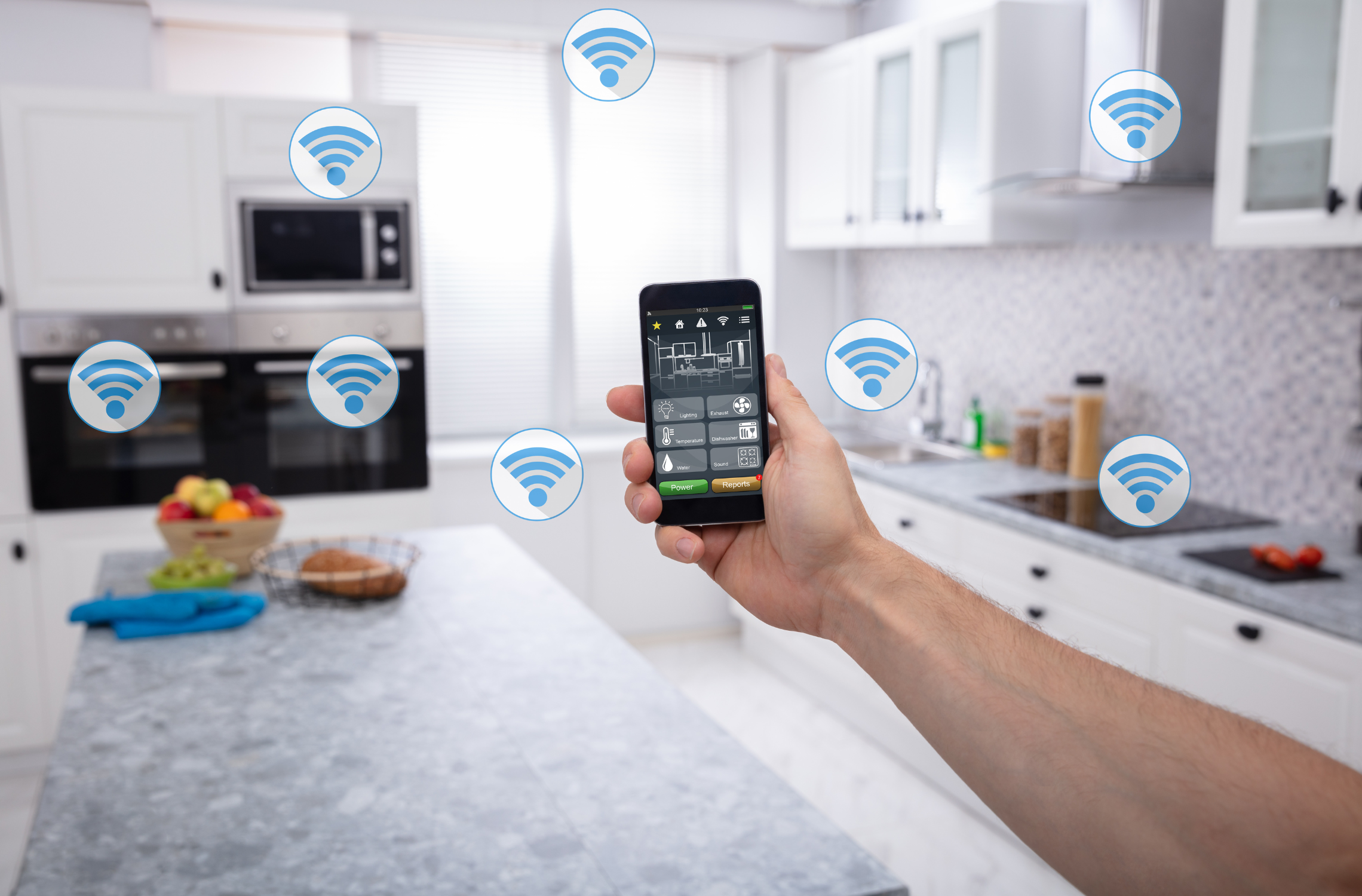
Artificial intelligence is one of the driving forces behind the smart home revolution. AI has the potential to turn your home into an intuitive environment that learns your preferences and anticipates your needs. From voice assistants like Amazon Alexa and Google Assistant to AI-powered thermostats and security systems, AI is already a key player in many smart homes.
In the future, AI will become even more integrated into our daily lives, making homes smarter than ever. For example, AI could anticipate when you're likely to arrive home based on your schedule, traffic patterns, and even the weather, adjusting your heating or cooling to ensure the perfect temperature when you walk through the door. AI-powered appliances will also be able to suggest recipes based on the contents of your fridge and provide personalized recommendations for energy savings.
Automation
Automation is a core component of the smart home experience, and it’s only going to become more advanced. With automation, everyday tasks like turning off lights, adjusting your thermostat, or locking doors can be programmed to happen automatically, giving you more time to focus on what matters.
Looking ahead, the future of automation will bring greater synchronization between devices. Imagine a home where your security system communicates seamlessly with your lighting and climate control. When you leave for work, the system will automatically turn off unnecessary appliances, lock doors, and adjust your thermostat. When you return, it will power up your favorite entertainment system, adjust the lighting, and even start brewing your coffee. This level of convenience is only possible through automation and deep integration between various smart devices.
Connectivity
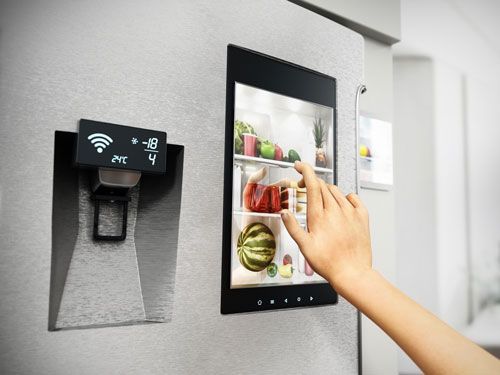
Connectivity is what makes smart homes truly smart. It allows different devices and systems to communicate with each other, creating a seamless, unified experience. The key to this connectivity lies in the use of wireless networks like Wi-Fi, Bluetooth, Zigbee, and Thread, which enable smart devices to talk to each other and form a connected ecosystem.
In the future, the smart home ecosystem will become even more interconnected. We’ll see the growth of new communication protocols, such as the Matter standard, which promises to make it easier for different devices from different manufacturers to work together. This will reduce compatibility issues and create a more cohesive experience for homeowners. In addition, 5G technology will provide faster, more reliable connectivity, opening up new possibilities for real-time data processing and remote control of smart devices.
The Role of Energy Efficiency and Sustainability
As smart homes become more advanced, energy efficiency and sustainability will play a significant role. AI-powered systems will be able to monitor energy usage in real-time, making adjustments to optimize consumption. For instance, smart thermostats will not only learn your preferences but also consider energy efficiency, reducing your carbon footprint while keeping you comfortable.
Moreover, smart homes will integrate more sustainable technologies, such as solar panels, energy storage systems, and smart irrigation. These systems will work together to help homeowners reduce their environmental impact and save money on utilities.
Security and Privacy
With increased connectivity comes the potential for cybersecurity risks. As more devices become interconnected, the need for strong security measures will only increase. In the future, we can expect smarter security systems that use AI and machine learning to detect unusual behavior, such as an intruder or unauthorized access to devices, and take appropriate action.
Privacy will also be a critical concern in the future of smart homes. As AI-powered systems collect more data to personalize experiences, homeowners will need to have control over what data is collected and how it is used. Transparent privacy policies and enhanced security features will become more important as consumers seek to protect their personal information in an increasingly connected world.
Final Thoughts
The future of smart homes is bright, filled with possibilities that will revolutionize the way we live. AI, automation, and connectivity will continue to make our homes more intuitive, efficient, and responsive to our needs. However, with these advancements comes the responsibility to ensure that privacy and security are protected, and that new technologies are used sustainably.
As we move forward, the integration of smarter appliances, home automation systems, and connected devices will redefine the modern living experience. The home of the future will not only anticipate our needs but also work alongside us to create a more convenient, sustainable, and enjoyable lifestyle.
FAQ
1. What is a smart home?
A smart home is a residence equipped with technology that allows homeowners to control various systems and appliances remotely through smartphones, voice assistants, or automated processes. These systems can include lighting, heating, cooling, security, and entertainment devices, all designed to make life more convenient, efficient, and secure.
2. How does AI improve smart homes?
AI enhances smart homes by making them more intuitive. It allows devices to learn from your preferences and behaviors, anticipating needs and adjusting settings automatically. For instance, AI can adjust your thermostat based on your schedule, suggest recipes based on your fridge contents, or even monitor security cameras to detect unusual activity.
3. What is home automation?
Home automation involves setting up devices and systems in your home to perform tasks automatically. This could include scheduling lights to turn on at certain times, adjusting your thermostat when you leave, or locking doors when you leave the house. The goal is to make home management more convenient and energy-efficient.
4. How does connectivity play a role in smart homes?
Connectivity enables smart devices to communicate with each other. Technologies like Wi-Fi, Bluetooth, Zigbee, and the upcoming Matter standard ensure devices from different manufacturers work together seamlessly, creating a cohesive smart home ecosystem. Connectivity allows homeowners to control and monitor devices from anywhere at any time.
5. Will smart homes save me money?
Yes, smart homes can help save money through energy-efficient systems that optimize power usage. AI-powered devices like smart thermostats can reduce energy consumption by adjusting heating and cooling settings, while automated systems ensure that appliances are used only when necessary.
Take Your Appliance
Knowledge from Good to Great
Just Ask Al is your go-to expert platform to connect, share, and learn — together. Join the Community on Facebook to get expert insights, tips, and more.
Collaborate with fellow appliance enthusiasts today!
38,000+ members and growing
Join the community today—everyone is welcome!

Take Your Appliance Knowledge With You On The Go!
Just Ask Al is your go-to expert platform to connect, share, and learn — together. Join the Community on Facebook to get expert insights, tips, and more.
Collaborate with fellow appliance enthusiasts today!