Ventless Dryers: How They Work & Are They Right for You?
This article was generated using AI and reviewed by a human editor for quality and accuracy.
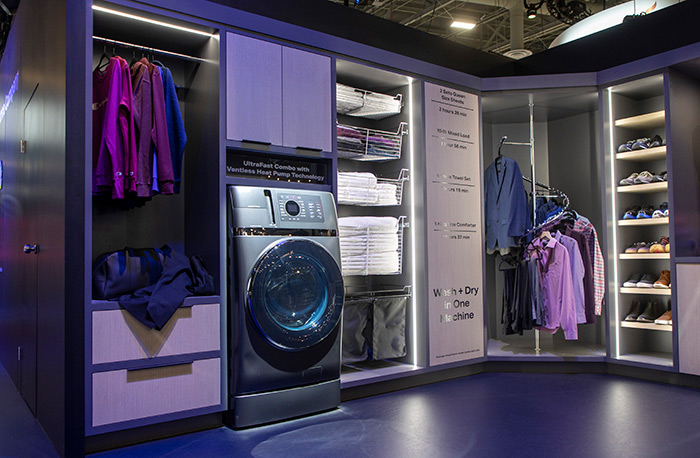
When shopping for a new dryer, you may have come across the term “ventless dryer.” As their name implies, ventless dryers don’t require an external venting system to expel hot air and moisture, making them an attractive option for many homeowners, especially those with space constraints or limited venting options. But how do ventless dryers actually work, and are they the right choice for your laundry needs? Let’s dive into everything you need to know.
What is a Ventless Dryer?
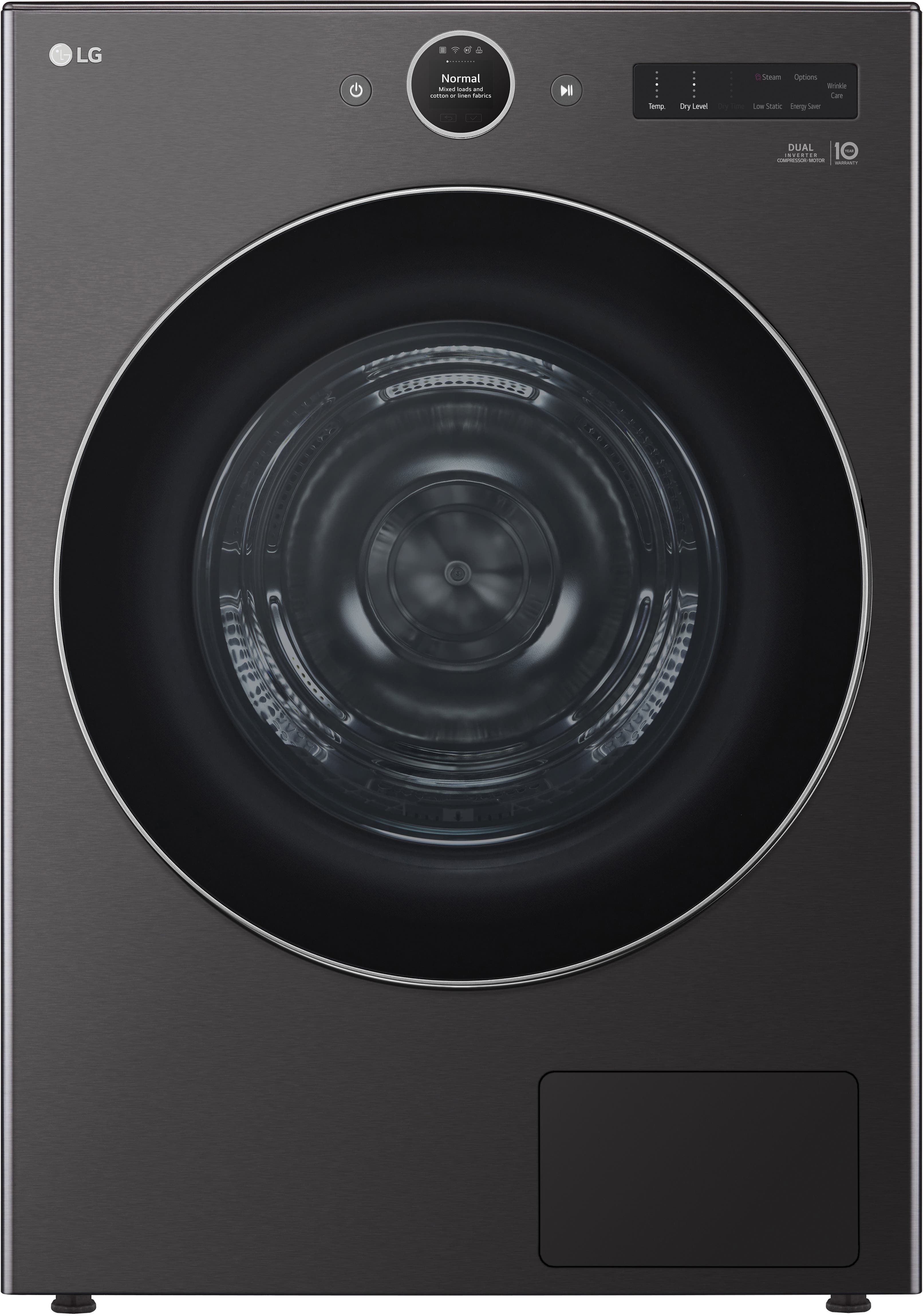
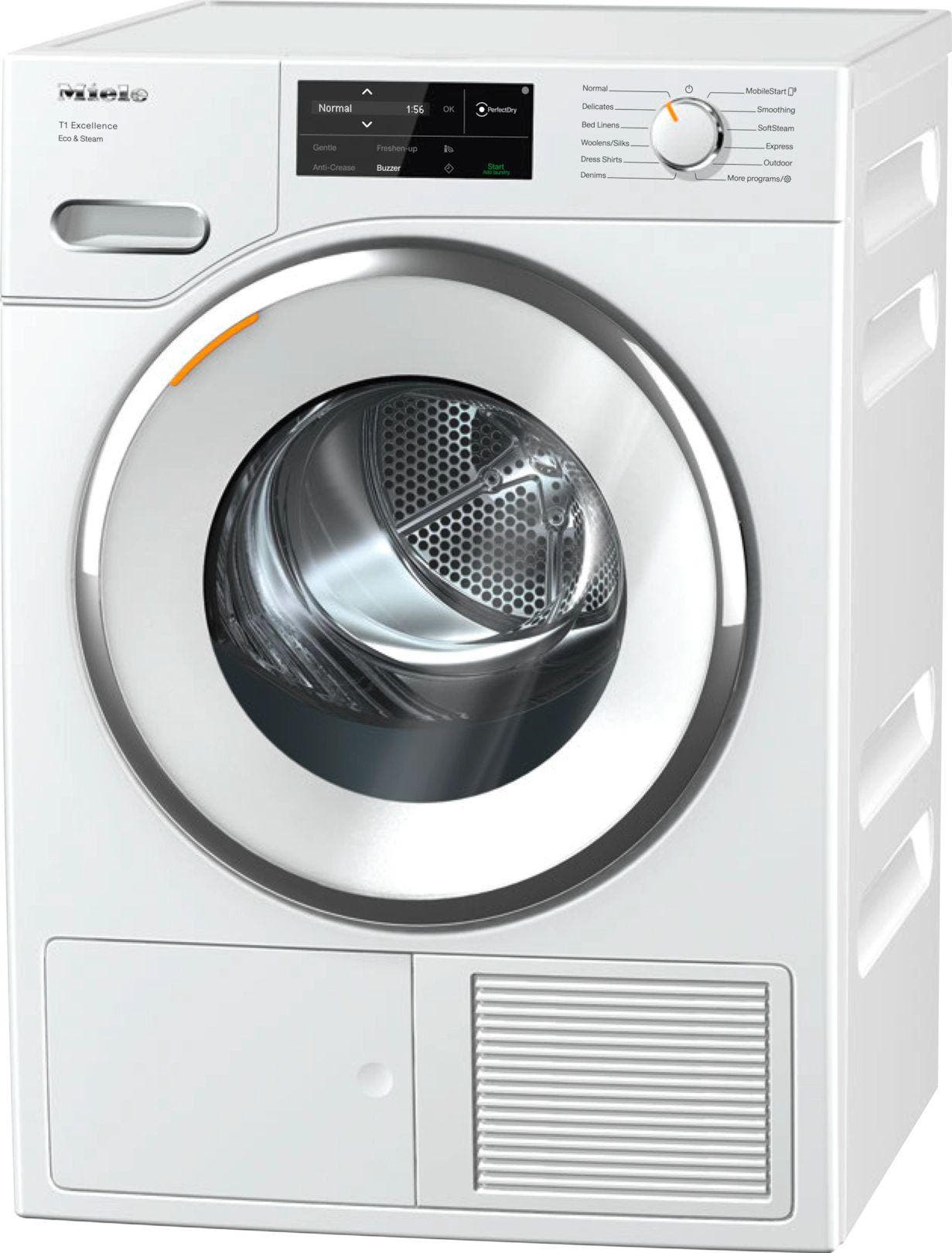
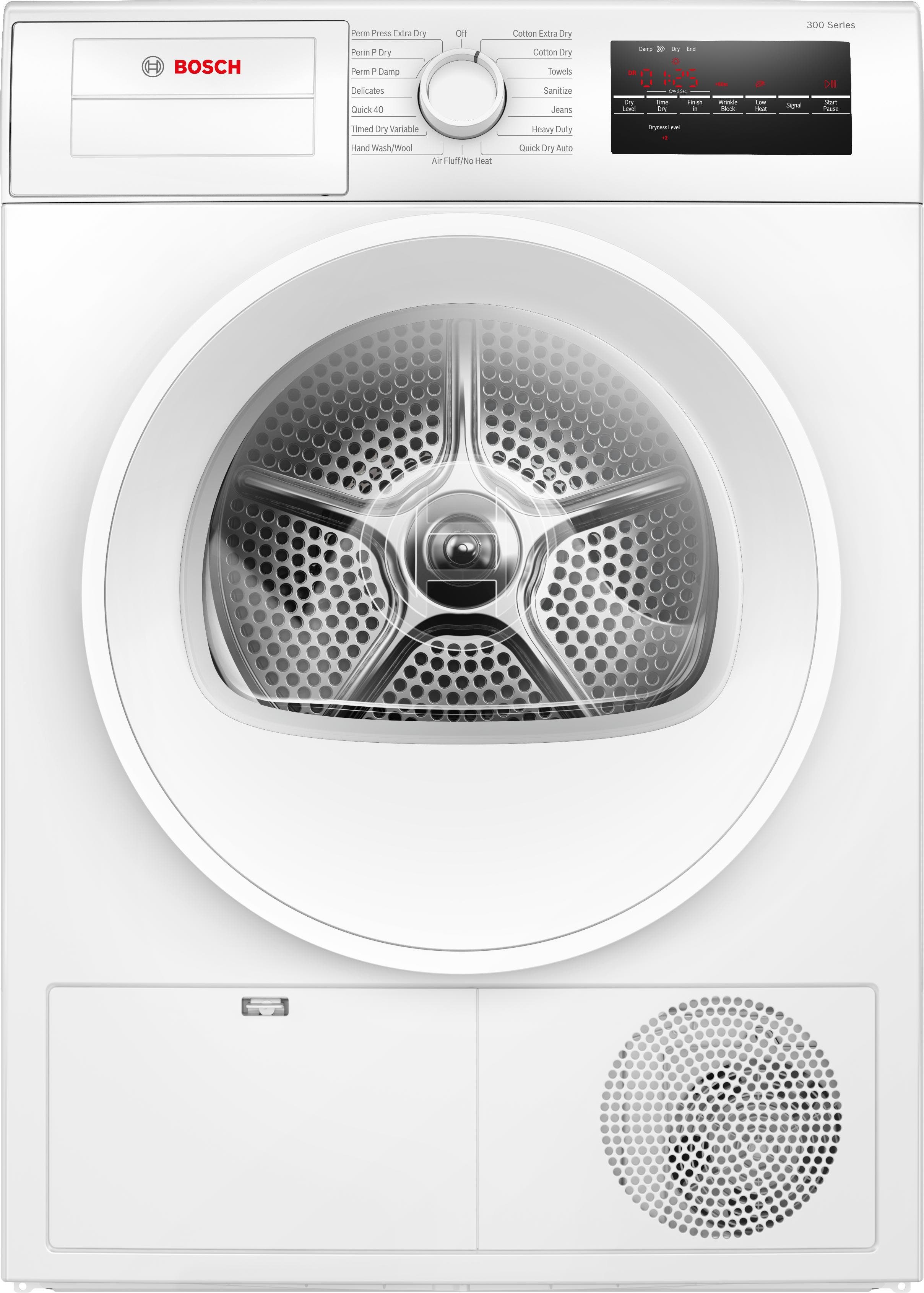
A ventless dryer is a type of clothes dryer that doesn’t require an external vent to expel hot, damp air outside. This is in stark contrast to traditional vented dryers, which blow the hot, moist air outside through a vent hose. Ventless dryers are more compact and work on a different system to manage heat and moisture within the dryer, making them ideal for apartments, condos, and homes where installing a vent is either impractical or impossible.
There are two primary types of ventless dryers:
- Condenser Dryers
- Heat Pump Dryers
How Do Ventless Dryers Work?
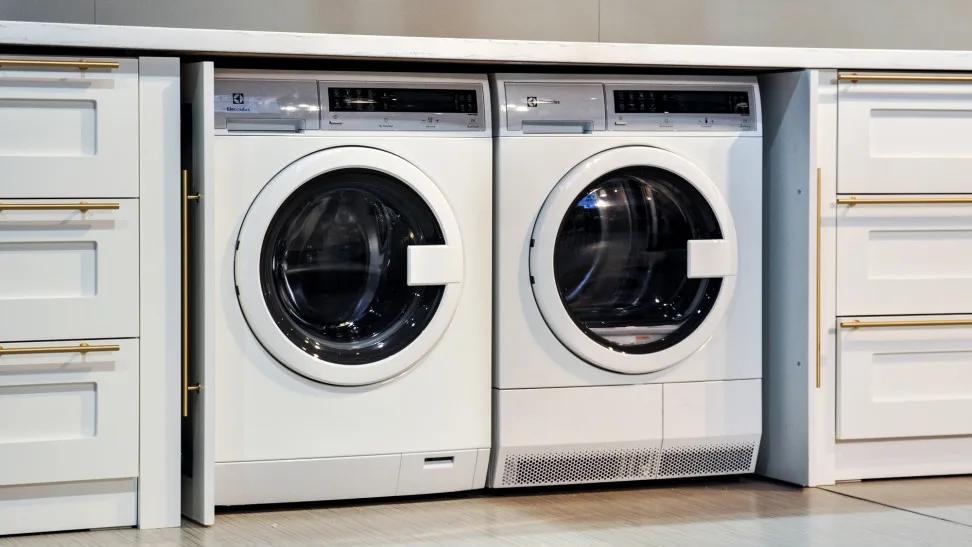
Condenser Dryers
Condenser dryers work by using a heat exchanger to cool the hot air inside the dryer. As the hot air passes through the condenser, it cools down and the moisture in the air condenses into water droplets. This water is then either collected in a reservoir or drained out via a hose. Essentially, the dryer creates a self-contained drying environment, with no need to release any heat or moisture outside the machine.
Because condenser dryers rely on cooling to condense moisture, they can take a little longer to dry clothes than traditional dryers. The benefit is that you won’t need to worry about venting warm, moist air into the room, which can increase humidity and potentially cause mold growth in some cases.
Heat Pump Dryers
Heat pump dryers are a more advanced and energy-efficient version of condenser dryers. Rather than relying on the simple cooling of air to remove moisture, heat pump dryers use a heat pump to recirculate the warm air inside the machine. They draw in air from the environment, heat it up, and use it to dry the clothes in the drum. Once the air is cooled and moisture is condensed, it’s passed through a heat exchanger to remove the water and then recirculated.
Heat pump dryers are typically more energy-efficient because they reuse the warm air rather than constantly generating new heat, which can lower your utility bills in the long run. They also have the benefit of being gentler on fabrics, as the lower drying temperatures help prevent wear and tear on clothes.
Benefits of Ventless Dryers
No Venting Required
The biggest advantage of ventless dryers is their ability to function without an external vent. If you live in a high-rise building, a basement apartment, or a space where adding a vent system is not possible, a ventless dryer provides a solution. It allows you to install the dryer almost anywhere, provided there’s an electrical outlet, making it perfect for compact living situations.
Space-Saving Design
Ventless dryers are typically more compact than traditional dryers because they don’t require a large venting system. This makes them an excellent choice for homes with limited space, such as smaller apartments, condos, or even laundry closets. With no need to run vent hoses or deal with bulky ducting, you’ll find that ventless dryers fit more seamlessly into your living space.
Energy Efficiency
Heat pump dryers, in particular, are among the most energy-efficient dryers available. These dryers use less energy compared to conventional vented models because they do not rely on constantly heating fresh air. Instead, they recycle the air inside the machine, which minimizes energy consumption. Over time, this can lead to lower electricity bills, especially in areas where electricity prices are high.
In addition to energy efficiency, heat pump dryers are also eco-friendly. By recycling warm air, they minimize heat loss and reduce overall carbon emissions, making them a more sustainable choice for environmentally-conscious homeowners.
No Humidity Issues
With a traditional vented dryer, the hot, moist air that’s released into your home can increase humidity levels, especially in smaller spaces. This added moisture can lead to discomfort or, in extreme cases, mold growth in poorly ventilated rooms. Ventless dryers eliminate this issue by keeping moisture contained inside the machine and either draining it or collecting it in a reservoir. This makes them ideal for apartments or homes that are prone to higher humidity levels.
Drawbacks of Ventless Dryers
Longer Drying Times
One common drawback of ventless dryers is the longer drying times compared to traditional vented dryers. Condenser and heat pump dryers typically take longer to dry clothes because they operate at lower temperatures and use a more gradual drying process. This might be an inconvenience if you have a busy schedule or need to dry large loads quickly. However, newer models are improving in efficiency, so the drying times are becoming more competitive with traditional vented dryers.
Smaller Load Capacity
Many ventless dryers have a smaller drum capacity than traditional dryers. While some models can handle a standard load, others may be limited in size, requiring you to dry smaller loads. If you have a large family or do a lot of laundry, you might find yourself running multiple loads, which could add to your overall laundry time.
Higher Upfront Costs
Ventless dryers, especially heat pump models, can come with a higher upfront cost than traditional vented dryers. While the energy savings over time may offset the initial investment, the higher price tag may be a concern for budget-conscious shoppers. It's important to weigh the long-term benefits of energy savings against the initial cost when deciding if a ventless dryer is right for you.
Maintenance and Cleaning
Ventless dryers require regular maintenance to ensure they continue working efficiently. For condenser dryers, it’s crucial to clean the condenser unit regularly to prevent buildup that could impact performance. Heat pump dryers also require periodic cleaning of the heat exchanger and air filters to maintain optimal efficiency. Additionally, if your dryer has a water reservoir, you’ll need to empty it regularly to avoid any potential water damage or odor issues.
Are Ventless Dryers Right for You?
Ventless dryers offer several benefits, but they may not be the perfect choice for everyone. If you live in an apartment or home where installing an external vent is not an option, a ventless dryer can be a great solution. They also make sense for people who want to save space and energy while avoiding the humidity issues that come with vented dryers.
However, if you have a larger family or need faster drying times for large loads of laundry, a traditional vented dryer might be a better fit. Additionally, the higher initial cost and the need for ongoing maintenance may be factors to consider before making your decision.
Final Thoughts
Ventless dryers are an excellent solution for those who need a dryer but don’t have the space or ability to install an external vent. They offer energy savings, convenience, and flexibility, especially in apartments and smaller homes. However, like any appliance, they come with their own set of trade-offs, such as longer drying times and smaller load capacities. Understanding how ventless dryers work and whether they fit your lifestyle will help you make an informed decision when upgrading your laundry appliances.
FAQ
1. Do ventless dryers dry clothes as well as traditional dryers?
Yes, ventless dryers can effectively dry clothes, but they may take longer to do so. Heat pump dryers, in particular, are very efficient at drying clothes but use a gentler, slower drying process. Condenser dryers also work well but may not dry clothes as quickly as vented models.
2. Can I install a ventless dryer anywhere?
Yes, you can install a ventless dryer almost anywhere there’s an electrical outlet, as they don’t require an external vent. This flexibility makes them a great option for apartments or homes without venting options.
3. How much energy do ventless dryers save?
Heat pump ventless dryers are particularly energy-efficient. By recycling the air inside the machine, they use less energy than traditional vented dryers. While drying times are longer, the reduction in energy consumption can lead to lower electricity bills over time.
4. How do I maintain a ventless dryer?
To keep your ventless dryer in top condition, clean the condenser or heat exchanger regularly (depending on the model) and empty the water reservoir if your dryer has one. Additionally, you’ll want to clean any air filters to prevent buildup and ensure efficient operation.
5. Are ventless dryers more expensive than vented dryers?
Yes, ventless dryers, particularly heat pump models, tend to have a higher upfront cost compared to traditional vented dryers. However, the energy savings over time can help offset the initial cost.
Take Your Appliance
Knowledge from Good to Great
Just Ask Al is your go-to expert platform to connect, share, and learn — together. Join the Community on Facebook to get expert insights, tips, and more.
Collaborate with fellow appliance enthusiasts today!
38,000+ members and growing
Join the community today—everyone is welcome!


Take Your Appliance Knowledge With You On The Go!
Just Ask Al is your go-to expert platform to connect, share, and learn — together. Join the Community on Facebook to get expert insights, tips, and more.
Collaborate with fellow appliance enthusiasts today!